



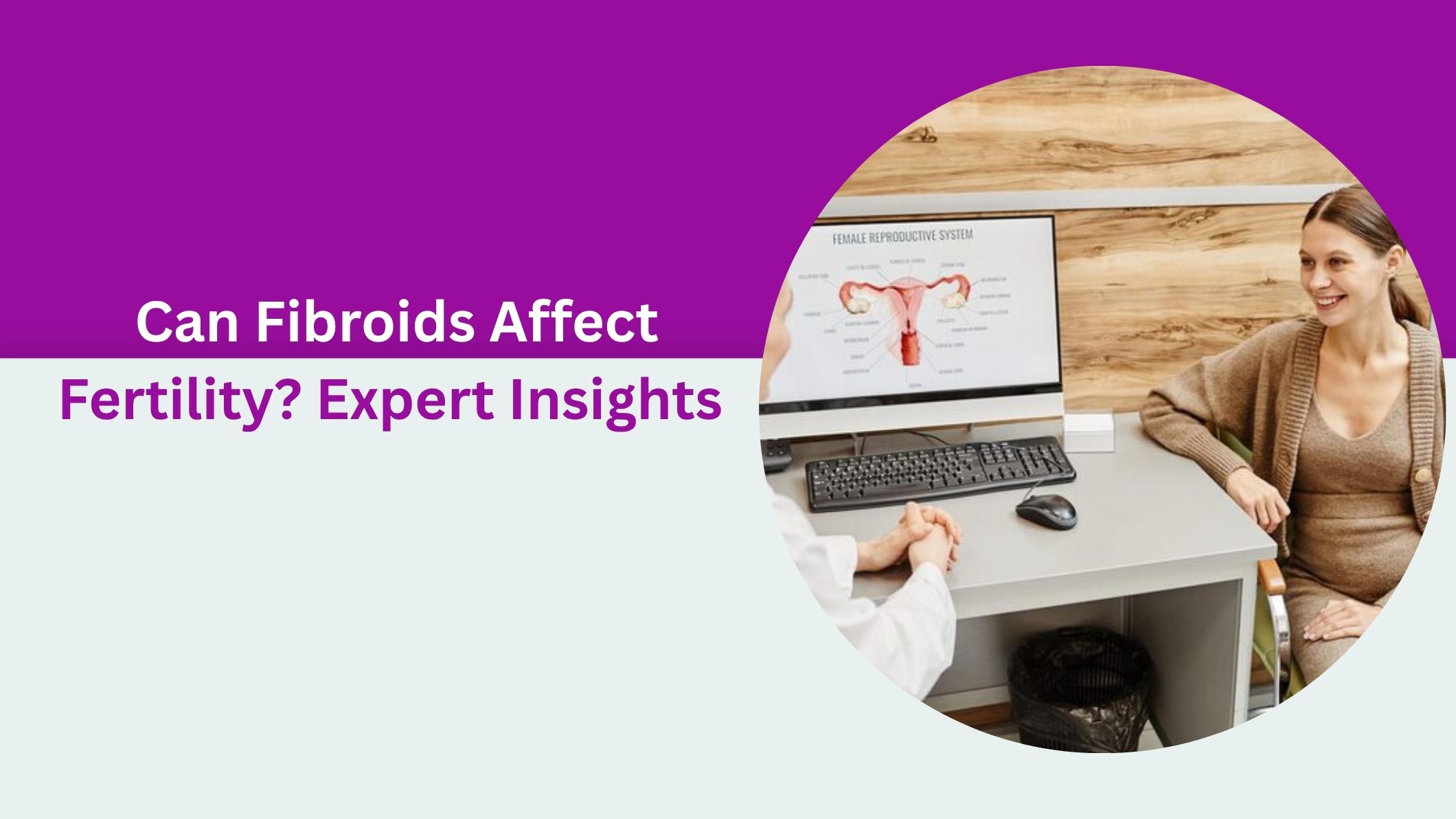
Uterine fibroids are common non-cancerous growths that develop in or around the uterus. While many women with fibroids have no symptoms and can become pregnant without difficulty, fibroids can sometimes affect fertility depending on their size, number, and location. The relationship between fibroids and fertility is therefore individual, and not every woman with fibroids will experience problems conceiving. The American College of Obstetricians and Gynecologists recognizes fertility-preserving treatment as an important consideration for women with uterine fibroids who desire future fertility. :contentReference[oaicite:0]{index=0}
How Can Fibroids Affect Fertility
The location of a fibroid can be particularly important when considering its possible effect on fertility. Fibroids that develop in or distort the cavity of the uterus may have a greater potential to interfere with implantation or the normal environment needed for pregnancy. Other fibroids may have little or no impact on fertility.
Fibroids can also be associated with symptoms such as heavy menstrual bleeding, pelvic pressure, or discomfort. When these symptoms become significant, they may affect a woman's overall wellbeing and make pregnancy planning more challenging.
Location Matters
Fibroids can occur in different areas of the uterus. Some grow toward the inside of the uterine cavity, while others develop within the muscular wall or extend toward the outer surface. Because of these differences, the presence of a fibroid alone does not determine whether fertility will be affected.
A gynecological evaluation can help determine the size and location of fibroids and whether they are likely to be relevant to a woman's fertility concerns.
Fibroids and Pregnancy Planning
Women who have been diagnosed with fibroids and are planning a pregnancy may benefit from discussing their condition with a gynecologist before trying to conceive. A fertility-focused consultation can consider the woman's age, symptoms, fibroid characteristics, previous pregnancies, fertility history, and future reproductive plans.
Not every woman with fibroids requires treatment before pregnancy. In some cases, monitoring may be appropriate, while in others, treatment may be considered based on symptoms, fibroid location, or its potential effect on reproductive outcomes.
When Should You Seek Medical Advice
A consultation may be particularly helpful if you have known fibroids along with difficulty conceiving, recurrent pregnancy concerns, significant menstrual symptoms, pelvic pain, or a fibroid that has been identified as affecting the uterine cavity.
Women should also discuss fertility plans with their doctor before undergoing treatment for fibroids. Treatment decisions should take future pregnancy goals into consideration.
Diagnosing Fibroids During a Fertility Evaluation
When fibroids are suspected, a gynecologist may recommend appropriate examinations and imaging to understand the uterus more clearly. Depending on the individual situation, an ultrasound or other investigations may be used to assess the size, number, and location of fibroids.
A fertility evaluation may also look beyond fibroids. Fertility can be influenced by multiple factors involving both partners, so identifying all relevant factors is important before deciding on a treatment approach. A basic infertility evaluation is generally designed to determine possible causes and guide appropriate treatment or referral
Treatment Options and Fertility Considerations
Treatment for fibroids depends on several factors, including symptoms, fibroid characteristics, age, overall health, and whether future pregnancy is desired. Some women may only require observation and regular follow-up.
For women who require treatment and wish to preserve fertility, fertility-preserving approaches may be considered. The American College of Obstetricians and Gynecologists specifically highlights the importance of selecting appropriate fertility-preserving treatments for women with fibroids who desire fertility.
Personalized Treatment Is Important
There is no single fibroid treatment that is suitable for every woman with fibroids. A treatment that may be appropriate for one patient may not be necessary or suitable for another. Discussing reproductive goals with a gynecologist can help ensure that fertility considerations are included when evaluating available options.
Supporting Fertility With Proper Planning
If you have fibroids and are considering pregnancy, maintaining a healthy lifestyle and receiving appropriate preconception care can be beneficial. A preconception consultation can provide an opportunity to review medical history, medications, general health, and reproductive plans. ACOG's preconception recommendations include reviewing medical conditions and medications, immunizations, family and genetic history, diet and exercise, and other factors that may influence pregnancy.
Most importantly, women should not assume that a diagnosis of fibroids automatically means infertility. Many women with fibroids are able to conceive and have healthy pregnancies. The impact of fibroids depends on individual circumstances, particularly their characteristics and relationship to the uterine cavity.
Conclusion
Fibroids can affect fertility in some women, but their presence does not automatically mean that pregnancy will be difficult. Understanding the size, number, and location of fibroids is important when assessing their potential impact on conception and pregnancy planning. A personalized gynecological evaluation can help determine whether monitoring, Fibroid treatment, or further fertility assessment is appropriate.
Dr. Preeti Tandon offers the best healthcare regarding fibroids and fertility, providing personalized gynecological care and guidance based on each woman's individual reproductive health needs.