



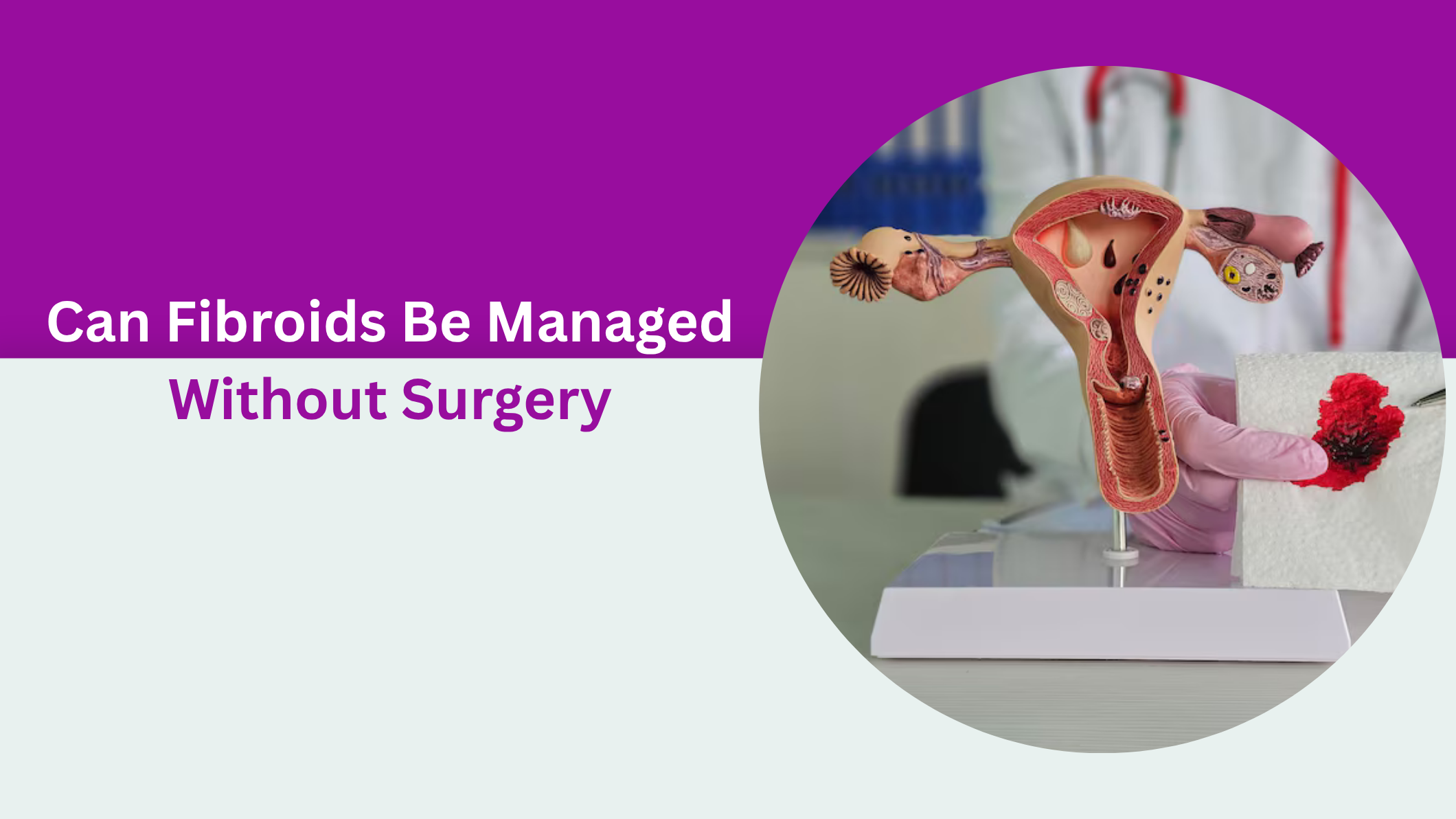
Uterine fibroids are non-cancerous growths that develop in or around the uterus. They are common during the reproductive years and can vary considerably in size, number, and location. While some women with fibroids experience heavy menstrual bleeding, pelvic pressure, painful periods, or fertility concerns, others may have no noticeable symptoms at all.
The good news is that surgery is not always necessary for managing fibroids. Depending on the size and location of the fibroids, symptoms, age, reproductive plans, and overall health, a doctor may recommend observation, medication, or other non-surgical approaches. The most appropriate treatment should always be decided after an individual medical assessment.
When Can Fibroids Be Managed Without Surgery
Not every fibroid requires immediate treatment. If fibroids are small, are not causing significant symptoms, or are discovered incidentally during an examination or ultrasound, a doctor may recommend monitoring them over time rather than treating them immediately.
Watchful Monitoring
Regular follow-up can help your doctor monitor whether the fibroids are changing in size or whether symptoms are developing. Depending on the situation, follow-up may involve pelvic examinations or imaging such as ultrasound.
This approach can be particularly appropriate when symptoms are mild or absent. However, monitoring does not mean ignoring the condition. Women should report new or worsening symptoms, including unusually heavy periods, increasing pelvic pressure, or persistent pain.
Medication and Non-Surgical Treatment Options
For women experiencing symptoms, medication may sometimes help manage the effects of fibroids without removing them. The choice of treatment depends on the symptoms and the individual's medical and reproductive needs.
Managing Heavy Menstrual Bleeding
Heavy menstrual bleeding is one of the common symptoms associated with uterine fibroids. Depending on the individual situation, a doctor may recommend medications that help reduce menstrual blood loss. In some cases, hormonal treatments may also be considered to help manage bleeding and related symptoms.
If heavy bleeding continues for a long time, it can contribute to iron deficiency or anemia. A healthcare provider may therefore recommend blood tests and appropriate treatment when clinically indicated.
Managing Pain and Pelvic Discomfort
Women experiencing period-related pain or pelvic discomfort may be advised about appropriate pain-management options. The treatment depends on the severity and cause of the symptoms and should be selected with guidance from a healthcare professional.
It is important to understand that many medications manage symptoms rather than permanently eliminate fibroids. Once treatment is stopped, symptoms may return in some women.
Factors That Influence Fibroid Treatment Decisions
The decision to manage fibroids conservatively or consider a procedure depends on several factors. A doctor may consider the number, size, and location of fibroids along with the severity of symptoms.
Age and Reproductive Plans
A woman's plans for future pregnancy are an important consideration when discussing fibroid management. Some fibroids can affect the uterine cavity or may be associated with fertility problems, depending on their location and characteristics.
Women who are trying to conceive should discuss their fibroids with a gynecologist so that treatment decisions can take fertility goals into account.
Symptoms and Fibroid Growth
Women with significant bleeding, persistent pain, pressure symptoms, or fibroids that are increasing in size may require a more active treatment approach. If non-surgical treatment does not provide sufficient symptom control, a doctor may discuss procedural or surgical options.
Can Lifestyle Changes Treat Fibroids
A balanced lifestyle can support general health, but lifestyle measures should not be considered a replacement for medical evaluation or proven fibroid treatments. Maintaining a healthy weight, eating a nutritious diet, staying physically active, getting adequate sleep, and managing stress can contribute to overall well-being.
Women should also be cautious about products or supplements that claim to dissolve or permanently eliminate fibroids without medical treatment. Such claims may not be supported by reliable evidence, and supplements can sometimes interact with medications or affect health conditions.
When Should You See a Gynecologist
A gynecological consultation is important if you experience unusually heavy periods, persistent pelvic pain, pressure, frequent urination, unexplained abdominal enlargement, or fertility concerns. A doctor can evaluate your symptoms and may recommend an ultrasound or other investigations to understand the fibroids more clearly.
Fibroid management is not the same for every woman. Some may need only observation, while others may benefit from medication or a procedure. The aim is to select an approach that addresses symptoms while considering the woman's long-term health and reproductive goals.
Conclusion
Fibroids can sometimes be managed without surgery, particularly when symptoms are mild or absent. Monitoring, medications, and individualized symptom-management strategies may be appropriate for certain women. However, the right approach depends on factors such as fibroid size and location, symptoms, age, and pregnancy plans. Regular consultation with a gynecologist can help determine whether observation or active treatment is appropriate.
Dr. Preeti Tandon at Fakeeh University Hospital provides best healthcare regarding fibroid evaluation and management, with Fibroid treatment approaches tailored to each woman's symptoms and individual healthcare needs.