



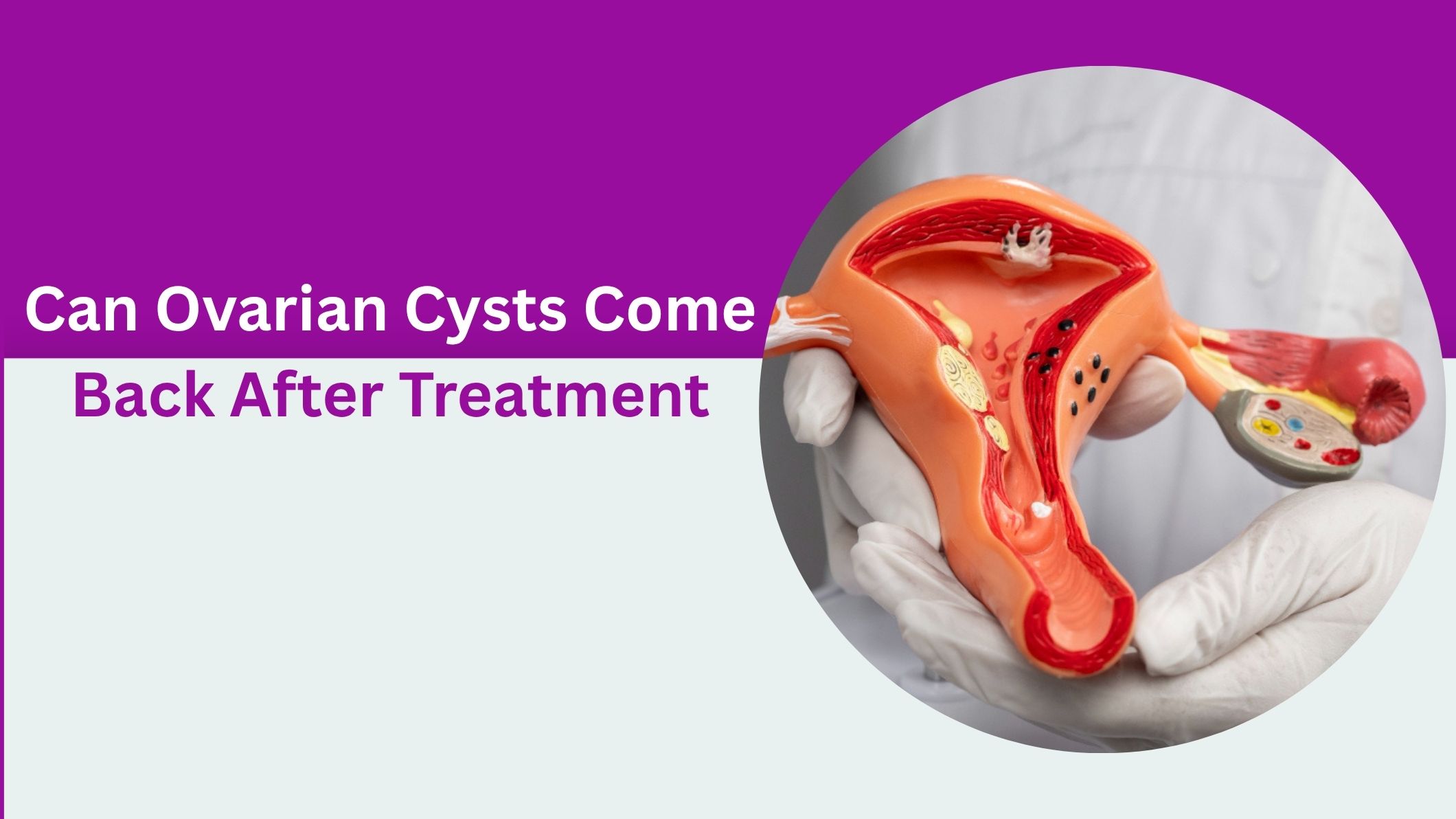
Ovarian cysts are fluid-filled sacs that develop on or inside the ovaries. They are quite common among women of reproductive age and, in many cases, disappear on their own without requiring medical intervention. However, one of the most common concerns women have after successful treatment is whether ovarian cysts can return. The answer is yes—certain types of ovarian cysts can recur depending on their underlying cause, hormonal changes, lifestyle factors, and overall reproductive health.
Understanding why ovarian cysts come back, how to reduce the risk of recurrence, and when to seek medical attention can help women manage their health more effectively. Regular gynecological check-ups and early diagnosis play an important role in preventing complications and ensuring timely treatment.
Why Do Ovarian Cysts Return After Treatment
Not all ovarian cysts behave the same way. Functional ovarian cysts, which develop during the normal menstrual cycle, are the most common type. These cysts often resolve naturally or with medication, but because ovulation continues every month, new cysts may develop in future cycles.
Other types of ovarian cysts, such as dermoid cysts, cystadenomas, or endometriomas, have different causes and recurrence rates. For example, women with endometriosis are more likely to experience recurring ovarian cysts known as endometriomas, even after surgical removal.
Factors That Increase the Risk of Recurrence
Several factors can increase the likelihood of ovarian cysts returning, including:
- Hormonal imbalances affecting ovulation
- Polycystic Ovary Syndrome (PCOS)
- Endometriosis
- Irregular menstrual cycles
- Previous history of ovarian cysts
- Certain fertility medications that stimulate ovulation
- Family history of gynecological conditions
Women who have experienced ovarian cysts once may have a slightly higher chance of developing them again, particularly if the underlying condition has not been addressed.
Treatment itself also influences recurrence. While medications such as hormonal contraceptives may help reduce the formation of functional cysts by preventing ovulation, they cannot prevent every type of cyst. Similarly, surgery removes existing cysts but does not always eliminate the factors responsible for their development.
How Can You Reduce the Chances of Ovarian Cysts Returning
Although it may not always be possible to completely prevent ovarian cysts, there are several steps women can take to lower the risk of recurrence and detect any problems early.
Regular Gynecological Check-ups
Routine pelvic examinations and ultrasound scans help monitor ovarian health and identify new cysts before they become larger or cause complications. Women with a history of ovarian cysts should follow the monitoring schedule recommended by their gynecologist.
Manage Hormonal Health
Hormonal imbalance is one of the leading causes of functional ovarian cysts. Depending on your medical history, your doctor may recommend hormonal medications such as birth control pills to regulate ovulation and reduce the formation of new cysts.
Maintain a Healthy Lifestyle
A balanced diet, regular exercise, maintaining a healthy body weight, and managing stress can support hormonal balance and overall reproductive health. Women with PCOS, in particular, often benefit from lifestyle modifications that improve insulin sensitivity and hormone regulation.
Know the Warning Signs
Many ovarian cysts produce no symptoms, but some may cause pelvic pain, abdominal bloating, pain during intercourse, irregular periods, or frequent urination. Sudden severe pain, dizziness, fever, or vomiting may indicate a ruptured cyst or ovarian torsion, both of which require immediate medical attention.
If you notice recurring pelvic discomfort or changes in your menstrual cycle, it is important not to ignore these symptoms. Early evaluation can help determine whether a new cyst has developed and whether treatment is necessary.
Fortunately, most ovarian cysts are benign and highly manageable when diagnosed early. Advances in gynecological care, including minimally invasive laparoscopic surgery and personalized treatment plans, allow women to recover faster while preserving fertility whenever possible.
Conclusion
Ovarian cysts can return after treatment, particularly if they are related to ongoing hormonal changes, PCOS, or endometriosis. However, recurrence does not necessarily indicate a serious health problem. With regular medical check-ups, appropriate treatment, and healthy lifestyle choices, many women successfully manage ovarian cysts and maintain excellent reproductive health.
If you have a history of ovarian cysts or are experiencing symptoms such as pelvic pain, irregular periods, or abdominal discomfort, consulting an experienced gynecologist is the best way to receive timely diagnosis and appropriate care.
Preeti Tandon provides comprehensive diagnosis and advanced treatment for ovarian cysts and a wide range of women's health concerns. With a patient-centered approach, modern diagnostic techniques, and personalized treatment plans, Dr. Preeti Tandon is committed to helping women achieve better reproductive health, faster recovery, and long-term wellness. Whether you require medical management, hormonal therapy, or minimally invasive surgical treatment, you can trust Dr. Preeti Tandon for expert gynecological care tailored to your individual needs.