



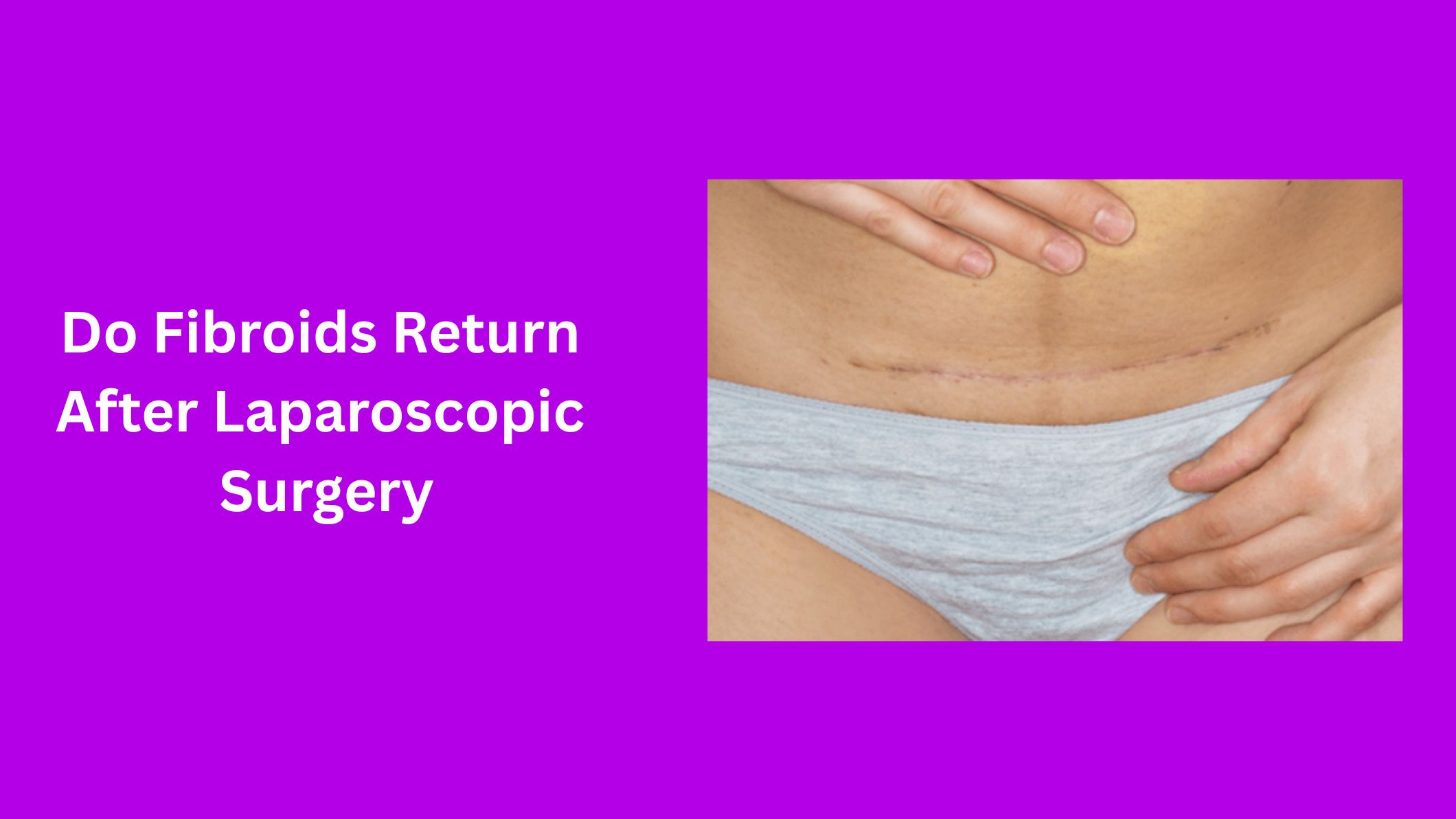
Uterine fibroids are non-cancerous growths that develop in or around the uterus. They are quite common among women of reproductive age and can cause symptoms such as heavy menstrual bleeding, pelvic pain, frequent urination, and fertility issues in some cases. When fibroids become large or cause severe symptoms, doctors often recommend surgical treatment. One of the most advanced and widely used procedures for fibroid removal is laparoscopic surgery.
Laparoscopic surgery, also known as minimally invasive surgery, allows doctors to remove fibroids through small incisions using specialized instruments and a tiny camera. This technique offers many advantages compared to traditional open surgery, including faster recovery, less pain, and minimal scarring. However, many women who undergo this procedure often wonder whether fibroids can return after laparoscopic surgery.
Understanding Fibroid Recurrence After Surgery
Why Fibroids May Return
Laparoscopic surgery for fibroids, often called laparoscopic myomectomy, is designed to remove existing fibroids while preserving the uterus. Although the procedure successfully removes visible fibroids, it does not always prevent new fibroids from developing in the future. Fibroids grow due to hormonal factors, particularly estrogen and progesterone, which means women who are still in their reproductive years may develop new fibroids over time.
The likelihood of fibroid recurrence depends on several factors, including a woman’s age, hormonal balance, genetic predisposition, and the number of fibroids present during the initial surgery. Women who have multiple fibroids or a strong family history of fibroids may have a slightly higher chance of recurrence.
Studies suggest that some women may experience new fibroid growth within a few years after surgery, especially if they are younger and have many years remaining before menopause. However, this does not mean that the original surgery was unsuccessful. The procedure effectively removes the problematic fibroids that were causing symptoms at the time.
How Often Fibroids Come Back
The rate at which fibroids return varies from person to person. Some women may never develop fibroids again, while others may experience new growths several years later. In many cases, newly developed fibroids remain small and do not cause symptoms, meaning additional treatment may not be necessary.
Regular follow-up appointments and routine pelvic examinations can help monitor any potential changes. Early detection allows doctors to manage fibroids effectively before they grow large enough to cause discomfort or complications.
Managing and Reducing the Risk of Fibroid Recurrence
Lifestyle and Hormonal Factors
Although fibroids cannot always be prevented, maintaining a healthy lifestyle may help reduce certain risk factors. Regular exercise, a balanced diet, and maintaining a healthy weight can support overall hormonal balance. Some research also suggests that diets rich in fruits, vegetables, and whole foods may contribute to better reproductive health.
Managing stress and maintaining regular medical check-ups can also help women stay aware of any changes in their reproductive health. Doctors may recommend monitoring hormone levels or exploring medical treatments if fibroids begin to reappear.
Advanced Monitoring and Treatment Options
If fibroids do return and start causing symptoms again, there are several treatment options available. These may include medications, non-surgical therapies, or additional minimally invasive procedures. Advances in gynecological care have made it possible to manage fibroids more effectively with less disruption to daily life.
In some cases, women who have completed their family planning may consider more permanent solutions, but this decision depends on individual health conditions and personal preferences. Consulting with an experienced gynecologist is essential to determine the best approach for each patient.
Conclusion
Laparoscopic surgery is a highly effective and minimally invasive method for removing uterine fibroids and relieving symptoms. While the procedure successfully removes existing fibroids, it is still possible for new fibroids to develop later due to hormonal and genetic factors. Regular medical check-ups, a healthy lifestyle, and early monitoring can help manage any potential recurrence and ensure long-term reproductive health.
For women seeking expert consultation and advanced fibroid treatment options, Dr Preeti Tandon's Clinic provides the best services and specialized care for laparoscopic surgery and women’s health, helping patients receive safe, effective, and personalized treatment.