



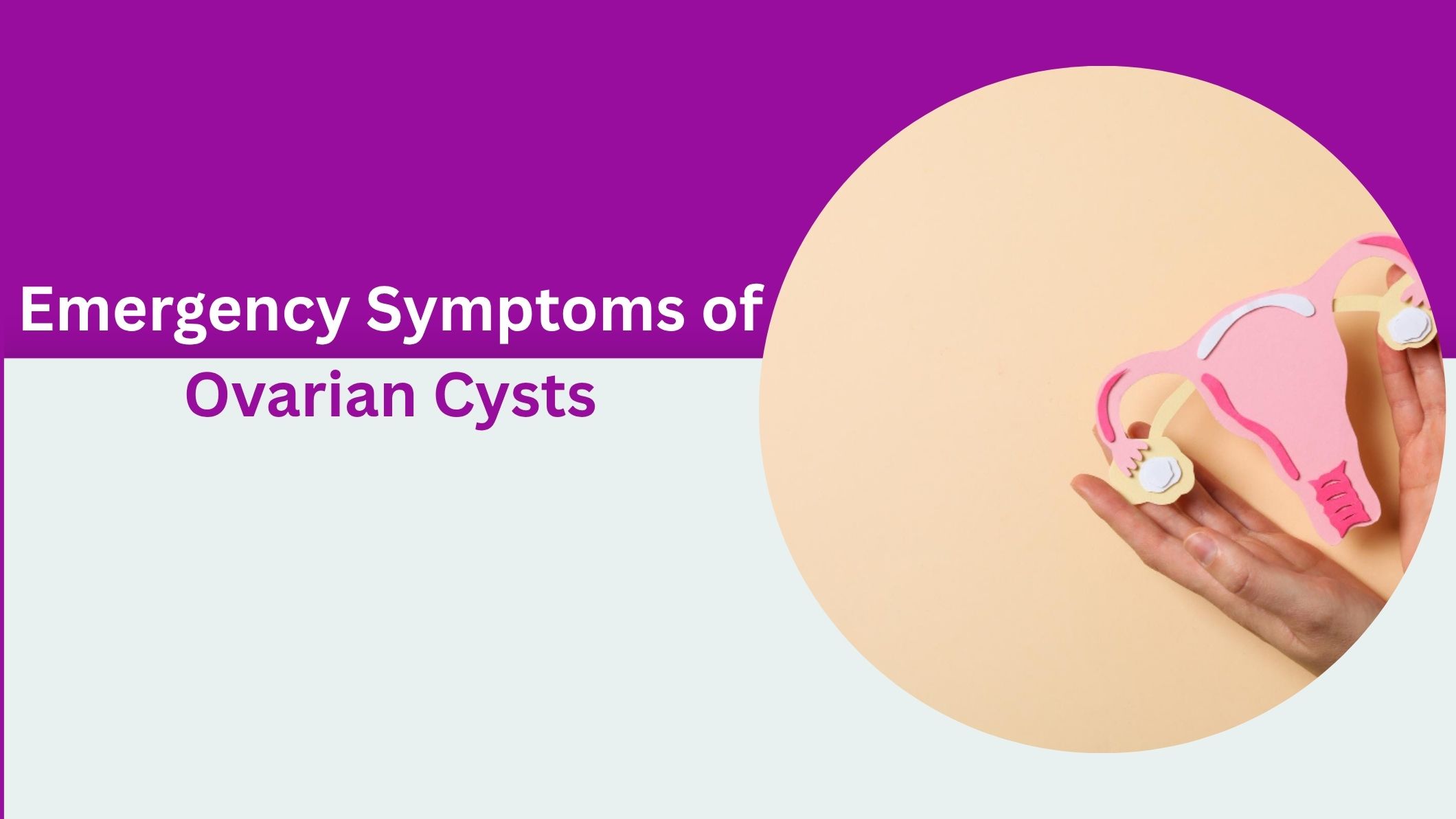
Ovarian cysts are fluid-filled sacs that develop on or inside the ovaries. They are very common among women of reproductive age and, in many cases, cause no symptoms and disappear on their own without treatment. However, not all ovarian cysts are harmless. Some can grow large, rupture, become infected, or twist the ovary, leading to a medical emergency. Recognizing the warning signs of a serious ovarian cyst can help you seek immediate medical attention and prevent life-threatening complications. Every woman should understand when a cyst is simply being monitored and when it requires urgent care.
What Are Ovarian Cysts
Ovarian cysts develop as part of the normal menstrual cycle or due to certain medical conditions. Functional cysts are the most common type and often resolve naturally within a few weeks or months. Other types, such as dermoid cysts, endometriomas, and cystadenomas, may require medical evaluation and treatment. While many cysts remain small and symptom-free, larger or abnormal cysts may cause discomfort and serious complications if left untreated.
Common Symptoms of Ovarian Cysts
Many ovarian cysts produce mild symptoms that are not considered emergencies. Women may experience pelvic discomfort, bloating, abdominal fullness, irregular menstrual cycles, pain during intercourse, or mild lower abdominal pain. Although these symptoms should still be discussed with a gynecologist, they usually do not require emergency treatment unless they become severe or are accompanied by other warning signs.
Emergency Symptoms You Should Never Ignore
Sudden, Severe Pelvic Pain
A sudden, sharp pain in the lower abdomen or pelvis is one of the most important warning signs of an ovarian cyst emergency. This may indicate that the cyst has ruptured or that the ovary has twisted, cutting off its blood supply. Immediate medical evaluation is necessary to prevent permanent damage to the ovary.
Severe Abdominal Pain with Fever or Vomiting
If severe pelvic pain is accompanied by fever, nausea, or repeated vomiting, it could indicate infection, ovarian torsion, or another serious abdominal condition. These symptoms should never be ignored and require urgent medical care.
Heavy Internal Bleeding
A ruptured ovarian cyst may cause internal bleeding. Warning signs include dizziness, weakness, fainting, rapid heartbeat, pale skin, or difficulty standing. These symptoms may indicate significant blood loss and require immediate emergency treatment.
Difficulty Walking Due to Pain
Pain that becomes so severe that it prevents normal movement or walking is not considered normal menstrual discomfort. This level of pain may suggest a ruptured cyst or ovarian torsion and should be evaluated immediately by a healthcare professional.
Rapid Abdominal Swelling
A sudden increase in abdominal size, severe bloating, or intense pressure in the lower abdomen may indicate bleeding, fluid accumulation, or a rapidly enlarging cyst. Prompt medical assessment is important to determine the cause.
Possible Emergency Complications
Untreated ovarian cyst complications can become life-threatening. Ovarian torsion occurs when the ovary twists around its supporting tissues, cutting off blood flow. If not treated quickly, the ovary may suffer permanent damage. A ruptured cyst can also lead to severe internal bleeding, infection, and significant pain. In rare cases, emergency surgery may be required to protect the patient's health and preserve fertility.
Diagnosis and Emergency Treatment
Doctors typically diagnose emergency ovarian cyst complications using a pelvic examination, ultrasound imaging, blood tests, and sometimes CT scans if necessary. Treatment depends on the severity of the condition. Small uncomplicated cysts may only require observation, while ruptured cysts with heavy bleeding or ovarian torsion often require emergency surgery. Early diagnosis greatly improves recovery and helps preserve ovarian function.
Can Emergency Ovarian Cysts Be Prevented
Although not all ovarian cysts can be prevented, regular gynecological check-ups help identify cysts before they become dangerous. Women with recurrent cysts, endometriosis, or polycystic ovary syndrome (PCOS) should follow their doctor's recommendations for monitoring and treatment. Paying attention to changes in your menstrual cycle and pelvic pain can also help detect problems early.
Conclusion
Most ovarian cysts are harmless and resolve without treatment, but some can develop into serious medical emergencies. Sudden severe pelvic pain, fainting, dizziness, heavy bleeding, fever, vomiting, or rapid abdominal swelling should never be ignored. Seeking immediate medical attention can prevent serious complications and protect your reproductive health. Understanding these emergency symptoms allows women to act quickly when every minute matters.
Preeti Tandon provides expert women's healthcare for Preeti Tandon ovarian cysts , menstrual disorders, PCOS, hormonal imbalances, and other gynecological conditions. With compassionate care, advanced diagnostic evaluation, and personalized treatment plans, Dr. Preeti Tandon helps women manage ovarian cysts safely and effectively. If you experience any emergency symptoms or have concerns about your reproductive health, consult Dr. Preeti Tandon for trusted and comprehensive women's healthcare.