



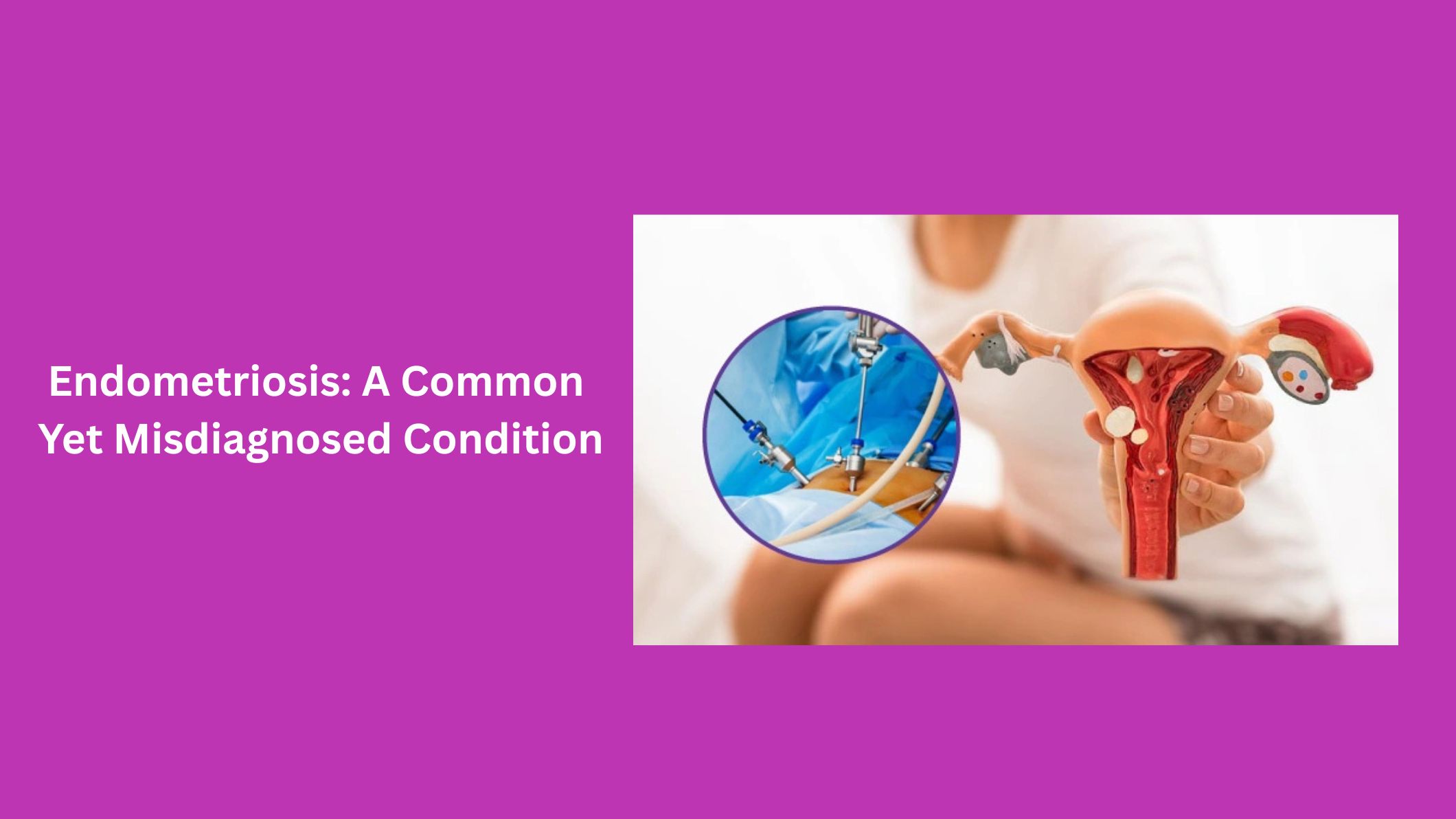
Endometriosis is a chronic medical condition affecting millions of women worldwide, yet it often goes undiagnosed or misdiagnosed for years. This happens because the symptoms of endometriosis can mimic other reproductive or gastrointestinal disorders, making it challenging for women to receive timely and accurate treatment. Despite being common, many individuals struggle silently, unaware that their pain and discomfort are not normal. Understanding the causes, symptoms, and management options is essential for early detection and effective treatment.
What Is Endometriosis
Endometriosis occurs when tissue similar to the lining of the uterus (the endometrium) grows outside the uterus. This misplaced tissue may appear on the ovaries, fallopian tubes, pelvic lining, and in rare cases, other organs. Just like the uterine lining, this tissue responds to hormonal changes during the menstrual cycle—it thickens, breaks down, and bleeds. However, because the blood has no exit pathway, it leads to inflammation, scar tissue, and severe pain.
Understanding the Causes
The exact cause of endometriosis remains unclear, but several theories exist. Retrograde menstruation is one of the most commonly discussed explanations, where menstrual blood flows backward into the pelvic cavity instead of leaving the body. Other possible factors include hormonal imbalances, immune system dysfunction, genetics, and surgical procedures such as C-sections or hysterectomies that may unintentionally transport endometrial cells. While researchers continue to explore the root cause, it is evident that early diagnosis plays a crucial role in managing the condition.
Common Symptoms That Are Often Overlooked
One of the reasons endometriosis is frequently misdiagnosed is that its symptoms vary widely from person to person. Some women experience unbearable pain, while others have mild discomfort or no symptoms at all. This inconsistency leads many to dismiss early signs or confuse them with typical menstrual discomfort.
Key Warning Signs
Common symptoms include severe menstrual cramps, chronic pelvic pain, pain during intercourse, and heavy menstrual bleeding. Some individuals may also experience digestive issues such as bloating, constipation, nausea, or diarrhea. Fatigue, infertility, and pain during urination or bowel movements are additional red flags. Since these symptoms overlap with other conditions like ovarian cysts, irritable bowel syndrome (IBS), and pelvic inflammatory disease (PID), misdiagnosis is unfortunately common.
Why Endometriosis Is Frequently Misdiagnosed
There are multiple reasons why endometriosis is overlooked in clinical evaluations. Many women grow up believing that extremely painful periods are normal. This misconception leads them to delay seeking medical help. Additionally, general physicians may attribute the symptoms to stress, hormonal imbalances, or digestive issues instead of investigating deeper gynecological causes.
The Role of Limited Diagnostic Tools
Currently, laparoscopic surgery is the most reliable method to confirm endometriosis. Ultrasounds and scans may detect cysts or inflammation but cannot independently diagnose the condition. Due to the lack of straightforward tests, many women endure years of discomfort before receiving a proper diagnosis. This delay can significantly affect fertility, physical health, and emotional well-being.
Effective Treatment and Management Options
Although there is no permanent cure for endometriosis, several treatment options can help manage symptoms and improve quality of life. The choice of treatment depends on the severity of the condition and whether the patient is planning pregnancy.
Medical and Surgical Approaches
Hormone therapy, pain management medications, lifestyle modifications, and fertility support techniques are common treatment approaches. In more severe cases, laparoscopic surgery is used to remove endometrial tissue and scar formations. Early intervention and a personalized treatment plan greatly enhance the effectiveness of these methods.
Final Thoughts
Endometriosis is a widespread yet often overlooked condition that significantly impacts a woman’s physical, emotional, and reproductive health. Increased awareness, timely diagnosis, and expert guidance can make a tremendous difference in managing the disorder effectively. If you suspect you may have symptoms of endometriosis, seeking medical help promptly is essential for long-term well-being.
Dr. Preeti Tandon Clinic provides the best treatment for endometriosis, ensuring accurate diagnosis, compassionate care, and personalized treatment plans for every patient.