


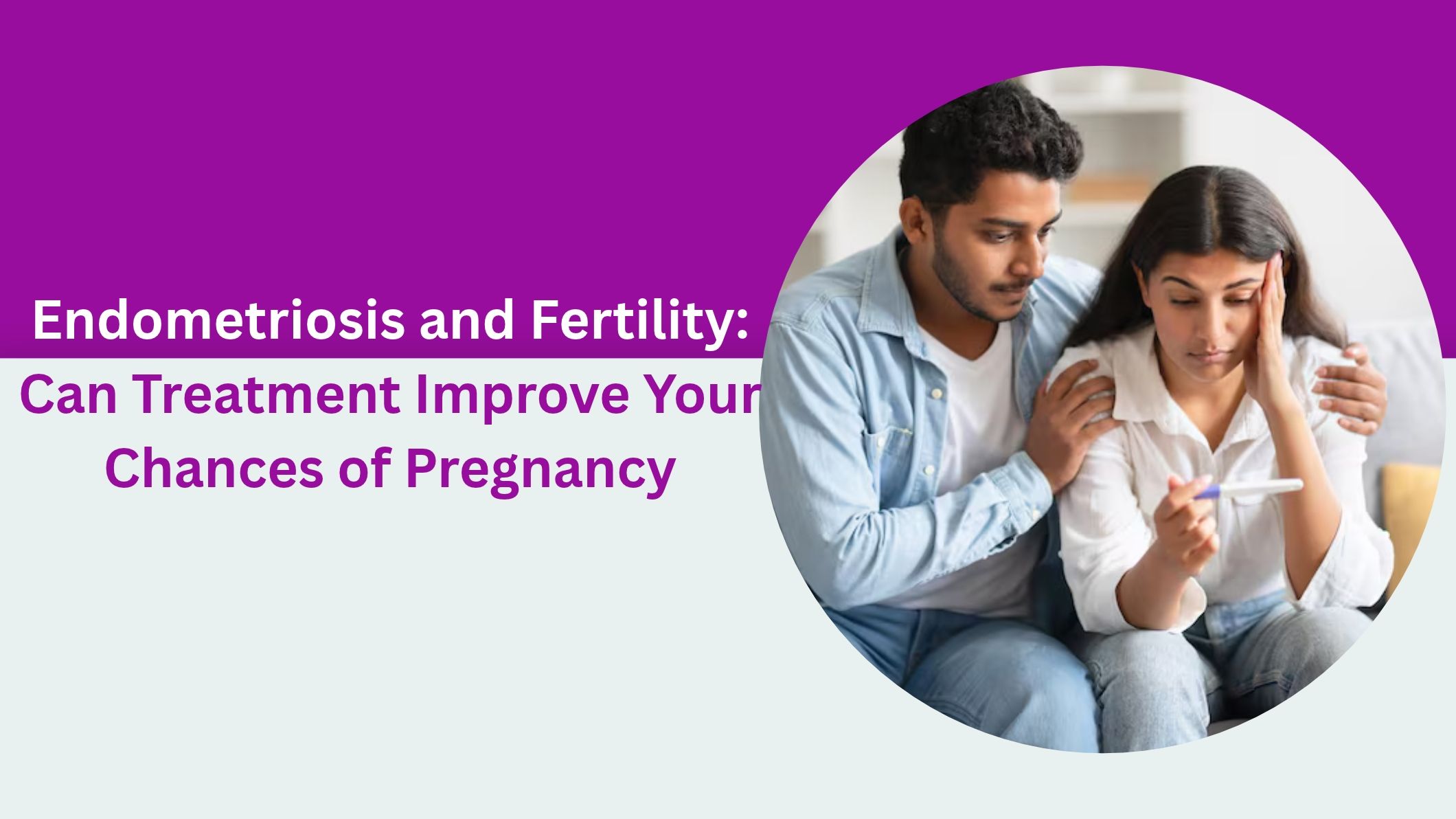
Endometriosis is a common gynaecological condition that can affect a woman's reproductive health and overall quality of life. It occurs when tissue similar to the lining of the uterus grows outside the uterus, commonly affecting the ovaries, fallopian tubes, and pelvic lining. This condition can cause painful periods, pelvic discomfort, inflammation, and difficulties with conception. For women planning a pregnancy, understanding the connection between endometriosis and fertility is particularly important.
Although endometriosis can make getting pregnant more challenging, it does not mean pregnancy is impossible. Many women with this condition conceive naturally, while others may benefit from medical treatment, surgical intervention, or fertility assistance. Early diagnosis and an appropriate treatment plan can help improve reproductive health and support better pregnancy outcomes.
1. How Does Endometriosis Affect Fertility
Endometriosis can influence fertility in several ways, depending on the severity and location of the condition. When endometrial-like tissue grows outside the uterus, it can trigger inflammation, irritation, and the formation of scar tissue or adhesions within the pelvic region.
These changes may interfere with normal reproductive functions. Some common ways endometriosis can affect fertility include:
- Blocked Fallopian Tubes: Scar tissue and adhesions may obstruct the fallopian tubes, making it difficult for the egg and sperm to meet.
- Ovarian Damage: Endometriosis can lead to ovarian cysts called endometriomas, which may affect ovarian tissue and potentially reduce ovarian reserve.
- Inflammation: Pelvic inflammation may create an environment that interferes with fertilisation and early embryo development.
- Changes in Pelvic Anatomy: Adhesions can affect the normal relationship between the ovaries, fallopian tubes, and uterus.
- Difficulty With Implantation: In some women, endometriosis may be associated with changes in the uterine and pelvic environment that affect reproductive outcomes.
However, the impact of endometriosis varies from person to person. Some women with mild endometriosis experience fertility difficulties, while others with more advanced disease may conceive naturally. Therefore, individual evaluation is essential.
2. Can Endometriosis Treatment Improve Your Chances of Pregnancy
Yes, appropriate endometriosis treatment may improve fertility outcomes in selected women. The recommended approach depends on factors such as age, severity of endometriosis, ovarian reserve, symptoms, previous pregnancy history, and how long the woman has been trying to conceive.
Different treatment options may be considered based on individual reproductive goals.
Medical Management: Hormonal medications may help control endometriosis-related symptoms by suppressing hormonal stimulation of endometriosis tissue. However, most hormonal treatments prevent pregnancy while being used and are not fertility treatments themselves. They are generally considered when pregnancy is not being attempted immediately.
Laparoscopic Surgery: Laparoscopic surgery is a minimally invasive procedure that may be recommended to remove endometriosis lesions, release adhesions, and improve pelvic anatomy. In selected patients, surgery may improve the possibility of natural conception. However, surgery involving the ovaries can sometimes reduce ovarian reserve, so its benefits and risks should be carefully evaluated.
Assisted Reproductive Techniques: Women experiencing difficulty conceiving may benefit from fertility treatments such as in vitro fertilisation (IVF). IVF involves fertilising an egg with sperm in a laboratory and transferring the resulting embryo into the uterus. It may be particularly useful when there are additional fertility factors, blocked fallopian tubes, or unsuccessful attempts at other treatments.
The best treatment approach should always be personalised. Not every woman with endometriosis requires surgery or fertility treatment, and some may successfully conceive without medical intervention.
3. When Should You Consult a Gynaecologist and How Can You Improve Fertility?
Women experiencing persistent pelvic pain, painful periods, discomfort during intercourse, or difficulty getting pregnant should consider consulting a gynaecologist. Early evaluation can help identify endometriosis and determine whether it is affecting reproductive health.
A specialist may recommend a pelvic examination, ultrasound, or other investigations depending on the symptoms. In selected cases, MRI or laparoscopic evaluation may also be considered.
Women diagnosed with endometriosis can take several steps to support their reproductive health:
- Maintain a balanced and nutritious diet.
- Include regular physical activity in daily routines.
- Maintain a healthy body weight.
- Avoid smoking and limit alcohol consumption.
- Track menstrual cycles and discuss irregularities with a specialist.
- Attend regular gynaecological consultations.
- Seek fertility assessment if pregnancy does not occur despite regular attempts.
Women should also discuss their ovarian reserve and reproductive timeline with their doctor, particularly if they are planning pregnancy in the future. Fertility counselling can help them understand available options and make informed decisions.
Conclusion
Endometriosis can affect fertility through inflammation, ovarian involvement, scar tissue formation, and changes in pelvic anatomy. However, an endometriosis diagnosis does not mean that becoming pregnant is impossible. With early diagnosis, personalised treatment, and appropriate fertility support, many women can improve their reproductive health and explore suitable options for conception.
The right Endometriosis Treatment depends on individual symptoms, age, fertility goals, and the severity of the condition. Seeking expert guidance can help women understand their options and plan their pregnancy journey with confidence. Dr. Preeti Tandon at Fakeeh University Hospital provides expert healthcare regarding this, offering specialised gynaecological care and guidance for women dealing with endometriosis and fertility concerns.