



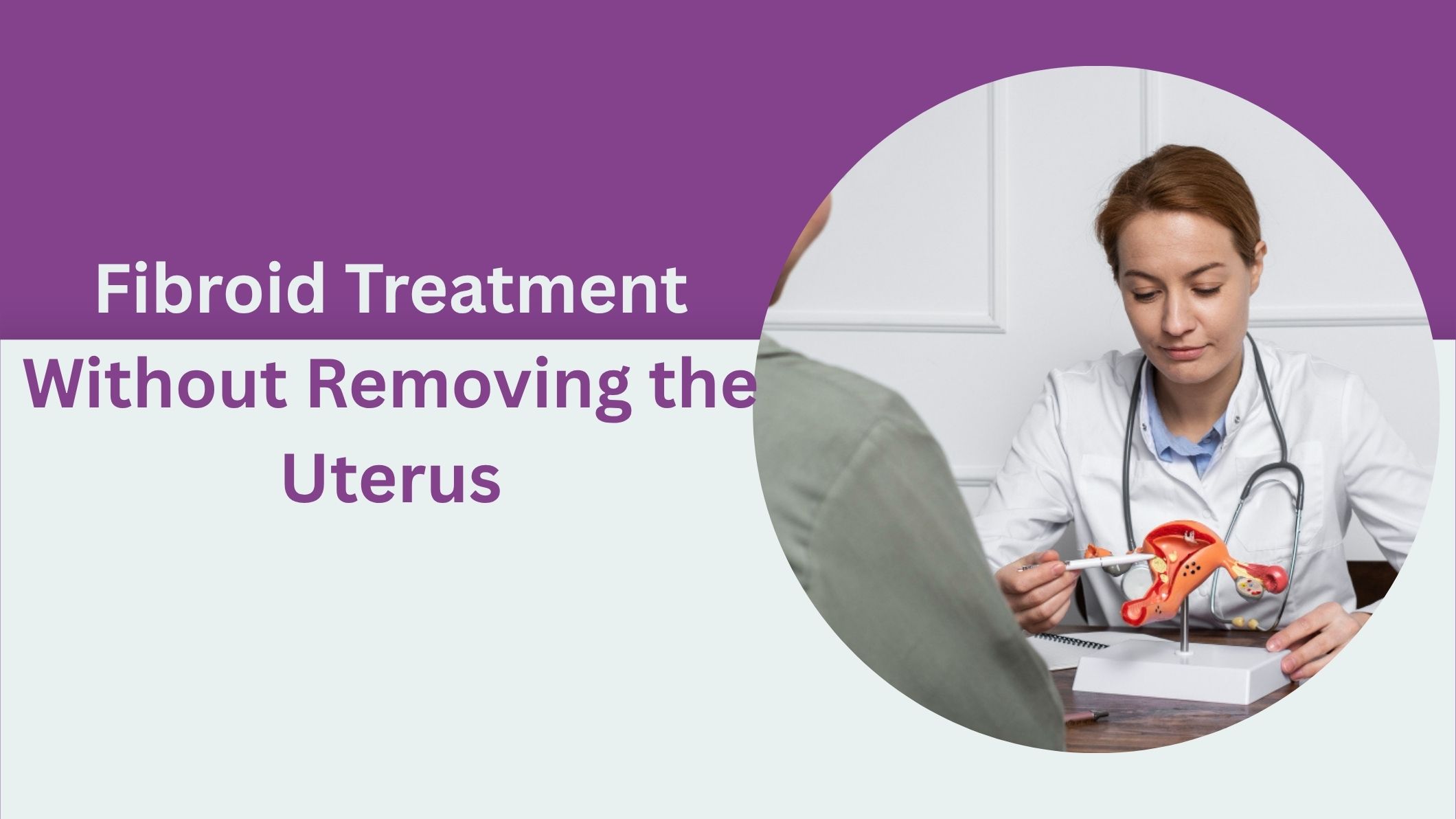
Uterine fibroids are one of the most common gynecological conditions affecting women during their reproductive years. These non-cancerous growths develop in or around the uterus and can vary in size, number, and location. While some fibroids may not cause symptoms, others can lead to heavy menstrual bleeding, pelvic pain, pressure on nearby organs, and fertility challenges. Fortunately, advances in medical care now allow many women to receive effective fibroid treatment without removing the uterus, helping them preserve their fertility and overall reproductive health.
What Are Uterine Fibroids
Fibroids, also known as leiomyomas or myomas, are benign tumors made up of muscle and fibrous tissue. They can develop within the uterine wall, on the outer surface of the uterus, or inside the uterine cavity. Although the exact cause of fibroids is not fully understood, hormonal factors such as estrogen and progesterone are believed to play a significant role in their growth.
Fibroids can affect women differently. Some may remain symptom-free, while others experience significant discomfort that interferes with daily life.
Common Symptoms of Uterine Fibroids
Heavy Menstrual Bleeding
One of the most common signs of fibroids is excessive or prolonged menstrual bleeding. Heavy periods can sometimes lead to anemia, causing fatigue and weakness.
Pelvic Pain and Pressure
Larger fibroids may create pressure in the pelvic region, resulting in discomfort, pain, or a feeling of fullness in the lower abdomen.
Frequent Urination
When fibroids press against the bladder, women may experience increased urinary frequency or difficulty emptying the bladder completely.
Reproductive and Fertility Issues
Depending on their size and location, fibroids may affect fertility, increase the risk of pregnancy complications, or contribute to recurrent miscarriages.
Why Preserve the Uterus
Many women prefer treatment options that allow them to keep their uterus, especially if they plan to have children in the future or wish to maintain their reproductive organs. Uterus-preserving treatments can effectively manage symptoms while avoiding the physical and emotional impact of hysterectomy, which involves complete removal of the uterus.
Modern gynecological care offers several alternatives that focus on removing or shrinking fibroids without removing the uterus itself.
Non-Hysterectomy Treatment Options for Fibroids
Medication Therapy
In some cases, medications may be recommended to manage symptoms such as heavy bleeding and pelvic pain. Hormonal treatments can help regulate menstrual cycles and reduce fibroid-related discomfort. Although medications may not eliminate fibroids completely, they can provide significant symptom relief.
Myomectomy
Myomectomy is a surgical procedure that removes fibroids while preserving the uterus. It is often recommended for women who wish to maintain fertility. Depending on the size and location of the fibroids, the procedure may be performed through minimally invasive techniques or conventional surgery.
Uterine Artery Embolization (UAE)
Uterine Artery Embolization is a minimally invasive procedure that blocks the blood supply to fibroids, causing them to shrink over time. This treatment can effectively reduce symptoms while allowing the uterus to remain intact.
MRI-Guided Focused Ultrasound
This advanced, non-invasive treatment uses focused ultrasound waves to destroy fibroid tissue without surgical incisions. It offers a quicker recovery period and may be suitable for selected patients.
Benefits of Treating Fibroids Without Removing the Uterus
Preservation of Fertility
Women who wish to conceive in the future often prefer uterus-preserving treatments, as they maintain the possibility of pregnancy.
Less Emotional Stress
For many women, keeping the uterus is important for emotional and psychological well-being. Conservative treatment approaches can provide peace of mind while effectively addressing symptoms.
Faster Recovery
Many modern fibroid treatments involve minimally invasive techniques, resulting in shorter hospital stays, reduced pain, and quicker recovery times compared to traditional hysterectomy.
When Should You Consult a Gynecologist
If you experience heavy menstrual bleeding, pelvic pain, abdominal swelling, frequent urination, or fertility concerns, it is important to seek medical evaluation. Early diagnosis allows for a wider range of treatment options and helps prevent complications associated with untreated fibroids.
A gynecologist will assess your symptoms, perform necessary imaging tests, and recommend the most suitable treatment plan based on your age, health condition, symptom severity, and future pregnancy goals.
Conclusion
Uterine fibroids can significantly affect a woman's quality of life, but removing the uterus is not always necessary. Today, several safe and effective treatments are available that can relieve symptoms, shrink or remove fibroids, and preserve reproductive health. Choosing the right treatment depends on individual needs and long-term health goals. For expert diagnosis, personalized treatment plans, and advanced fibroid management without unnecessary removal of the uterus, Dr. Preeti Tandon’s Clinic provides the best treatment and comprehensive gynecological care, helping women achieve better health and improved quality of life.