



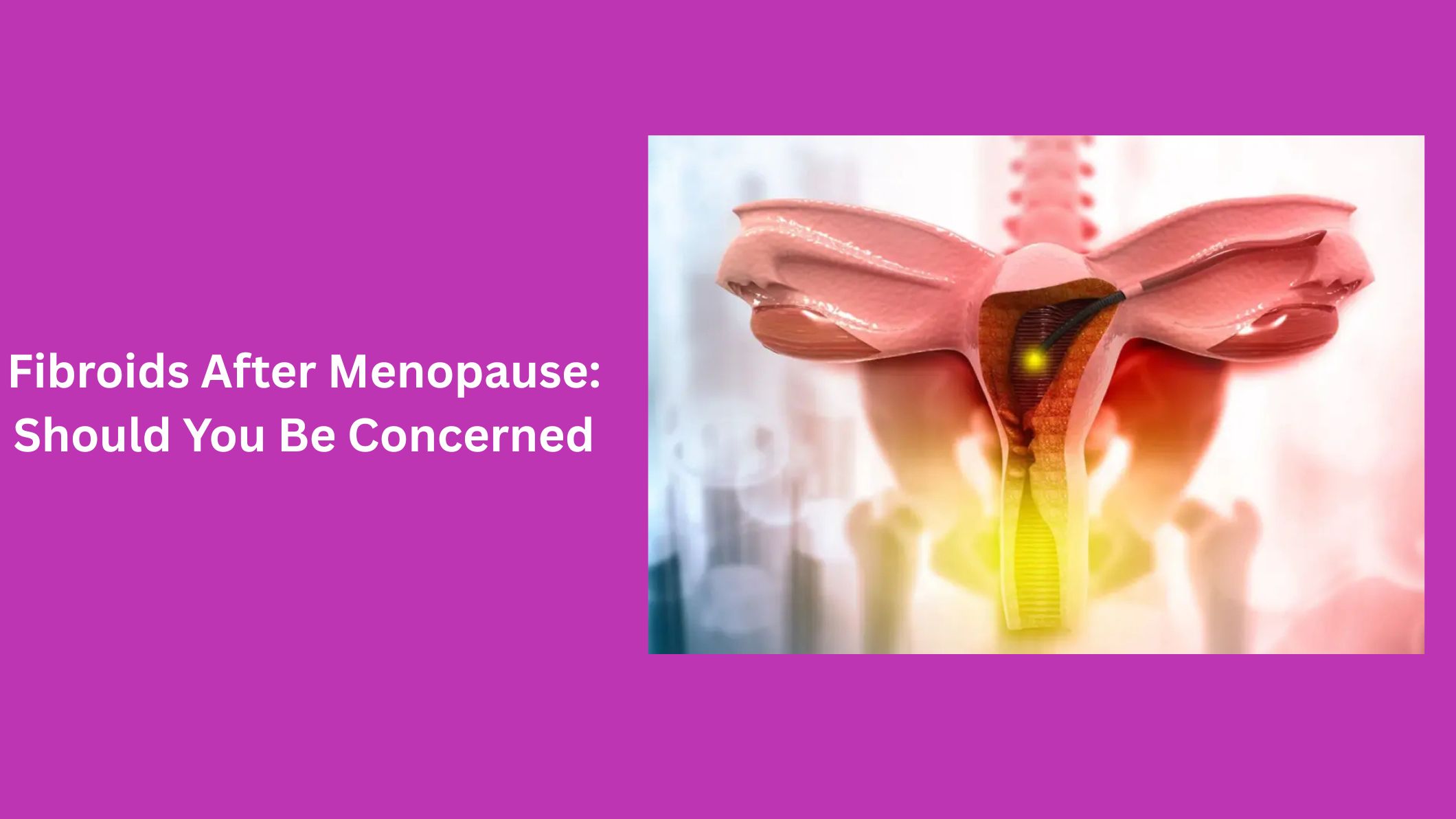
Fibroids, also known as uterine leiomyomas, are non-cancerous growths that develop in or around the uterus. They are very common during a woman’s reproductive years due to the influence of hormones like estrogen and progesterone. Many women assume that fibroids disappear completely after menopause, but this is not always the case. While fibroids often shrink after menopause, some may persist or even cause symptoms. Understanding the risks, symptoms, and treatment options can help you make informed decisions about your health.
Understanding Fibroids After Menopause
Why Fibroids Usually Shrink
Fibroids are hormone-dependent, meaning they grow in response to estrogen and progesterone. After menopause, the body produces significantly lower levels of these hormones. As a result, most fibroids stop growing and may gradually shrink. This is why many women experience relief from fibroid-related symptoms such as heavy bleeding and pelvic pain once they reach menopause.
Why Fibroids May Still Be Present
Even though hormone levels decline, fibroids do not always disappear completely. In some cases, they remain in the uterus without causing symptoms. Factors such as obesity, hormone replacement therapy (HRT), and genetics can influence whether fibroids persist. Fat tissue can produce small amounts of estrogen, which may continue to stimulate fibroid tissue even after menopause.
Symptoms to Watch For After Menopause
Unusual Bleeding
Bleeding after menopause is not considered normal and should always be evaluated by a doctor. While fibroids can sometimes cause postmenopausal bleeding, it is essential to rule out more serious conditions such as endometrial cancer. Any unexpected spotting or bleeding should be investigated promptly.
Pelvic Pain or Pressure
Persistent fibroids may still cause discomfort. Women may experience pelvic pressure, lower abdominal pain, or a feeling of fullness. Large fibroids can press against nearby organs, leading to symptoms such as frequent urination, constipation, or bloating.
Abdominal Enlargement
In rare cases, fibroids may continue to grow after menopause. This can result in visible abdominal swelling or enlargement. If you notice unexplained changes in your abdominal size, it is important to seek medical evaluation.
When Should You Be Concerned
Fibroid Growth After Menopause
Fibroids that grow after menopause require careful monitoring. Growth during this stage is uncommon and may indicate the need for further investigation. Doctors may recommend imaging tests such as ultrasound or MRI to assess the fibroid’s size and characteristics.
Persistent or Severe Symptoms
If fibroids continue to cause pain, bleeding, or pressure, treatment may be necessary. While many postmenopausal fibroids remain harmless, ongoing symptoms can affect quality of life and should not be ignored.
Diagnosis and Treatment Options
Diagnosis Methods
Doctors typically use pelvic examinations, ultrasound scans, or MRI imaging to diagnose and monitor fibroids after menopause. These tests help determine whether the fibroids are stable, shrinking, or growing.
Treatment Options Available
Treatment depends on the severity of symptoms and the size of the fibroids. In many cases, no treatment is needed if fibroids are small and symptom-free. However, if symptoms are present, options may include medications to manage discomfort, minimally invasive procedures, or surgical removal in severe cases. Modern treatments focus on relieving symptoms while preserving overall health and comfort.
Conclusion: Expert Care Matters
Fibroids Treatment after menopause are usually not dangerous, but they should never be ignored—especially if they cause symptoms such as bleeding, pain, or noticeable growth. Regular medical checkups and proper monitoring are essential to ensure early detection of any complications. With the right medical guidance, most women can manage fibroids effectively and maintain a healthy, comfortable life.
For women seeking expert evaluation and advanced care, Dr. Preeti Tandon’s Clinic provides the best treatment and personalized solutions for fibroids after menopause. Their experienced team offers accurate diagnosis, modern treatment options, and compassionate care to ensure the best possible outcomes for every patient.