



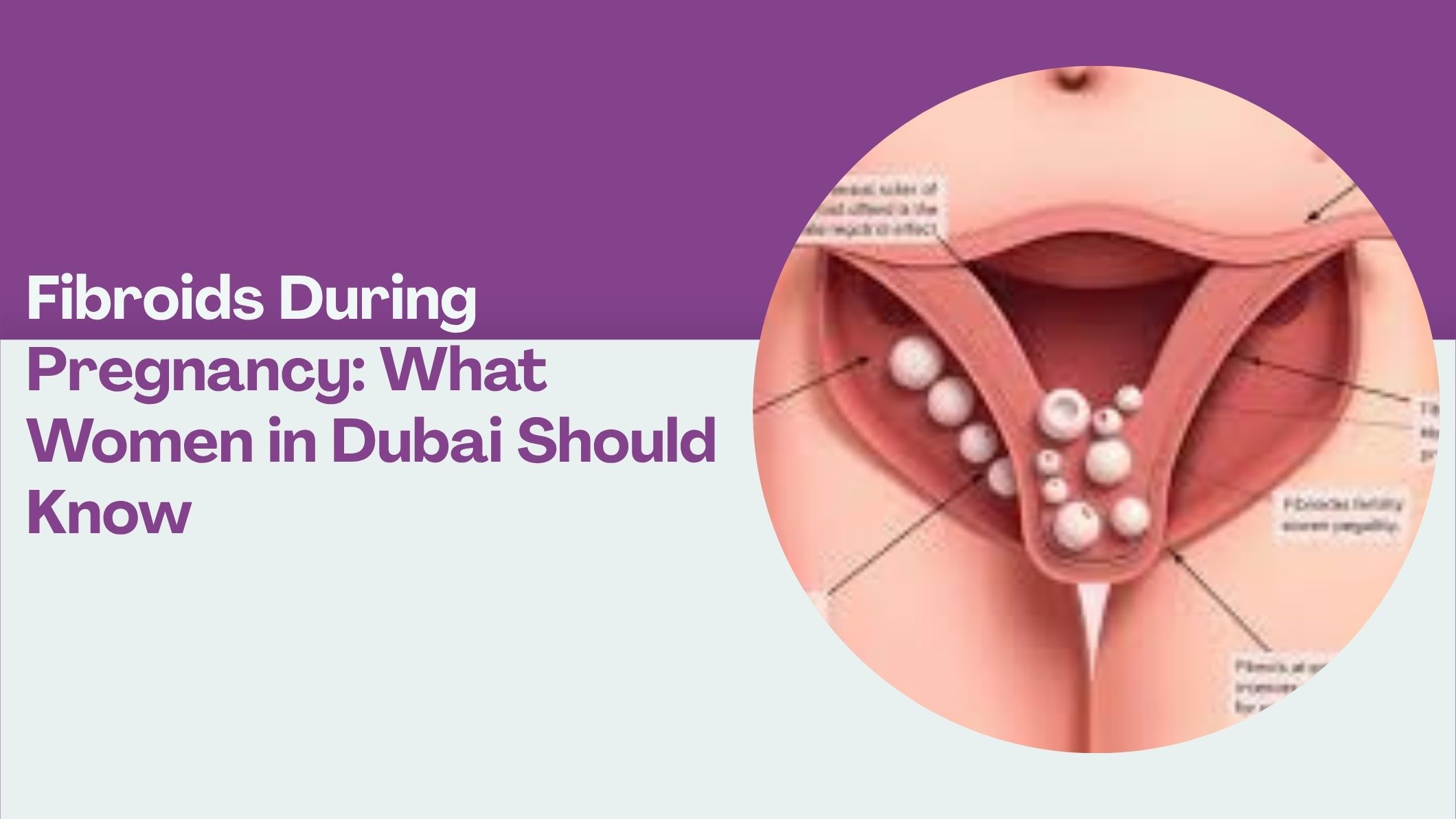
Fibroids are non-cancerous growths that develop in or around the uterus and are quite common among women of reproductive age. While many women with fibroids experience normal pregnancies, in some cases, fibroids can lead to complications. For women in Dubai, access to advanced healthcare makes it easier to manage fibroids effectively during pregnancy with proper medical guidance.
What Are Fibroids and How Do They Affect Pregnancy?
Fibroids, also known as uterine leiomyomas, vary in size and number. Some women may not even know they have fibroids until they undergo an ultrasound during pregnancy. In most cases, fibroids do not interfere with pregnancy. However, depending on their size and location, they can sometimes cause discomfort or complications.
Common Effects of Fibroids During Pregnancy
Fibroids may lead to symptoms such as pelvic pain, pressure, or abdominal discomfort. In certain cases, they can increase the risk of miscarriage, preterm labor, or placental issues. Large fibroids may also affect the baby’s position in the uterus, potentially leading to complications during delivery.
Symptoms to Watch Out For
While many fibroids remain asymptomatic, some warning signs should not be ignored during pregnancy. These include severe abdominal pain, heavy bleeding, or sudden swelling in the abdomen. Any unusual symptoms should be reported to a healthcare provider immediately to avoid complications.
When to Seek Medical Attention
If you experience persistent pain, bleeding, or reduced fetal movement, it is important to consult a specialist without delay. Early intervention can help manage symptoms and ensure the safety of both mother and baby.
Diagnosis and Monitoring
In Dubai, fibroids during pregnancy are typically diagnosed through routine ultrasound scans. Regular monitoring helps doctors track the size and growth of fibroids throughout pregnancy. This ensures timely intervention if any complications arise.
Management and Treatment Options
1. Conservative Management
Most cases of fibroids during pregnancy are managed conservatively. Doctors usually recommend rest, hydration, and pain management techniques. Surgical removal of fibroids is rarely performed during pregnancy due to potential risks.
2. Medication and Pain Relief
Safe medications may be prescribed to manage pain and discomfort. It is important to avoid self-medication and follow your doctor’s advice strictly.
3. Delivery Planning
Depending on the size and position of fibroids, your doctor may recommend a normal delivery or a cesarean section. Proper planning ensures a safe delivery for both mother and baby.
Why Women in Dubai Have an Advantage
Dubai is home to world-class healthcare facilities equipped with advanced diagnostic tools and experienced specialists. Women can benefit from personalized care plans, regular monitoring, and access to modern treatment options. This significantly reduces the risks associated with fibroids during pregnancy.
Tips for a Healthy Pregnancy with Fibroids
Maintaining a healthy lifestyle is essential for managing fibroids during pregnancy. Eat a balanced diet, stay hydrated, and attend all prenatal appointments. Avoid stress and follow your doctor’s recommendations closely. Early diagnosis and proper care play a key role in ensuring a healthy pregnancy outcome.
Conclusion
Fibroids during pregnancy can be concerning, but with the right care and monitoring, most women go on to have safe and healthy deliveries. Understanding the symptoms, risks, and management options helps in making informed decisions and reducing anxiety during this important phase of life.
For expert guidance and personalized care, Dr. Preeti Tandon’s Clinic provides the best Fibroid treatment and comprehensive support for managing fibroids during pregnancy, ensuring the health and safety of both mother and baby.