


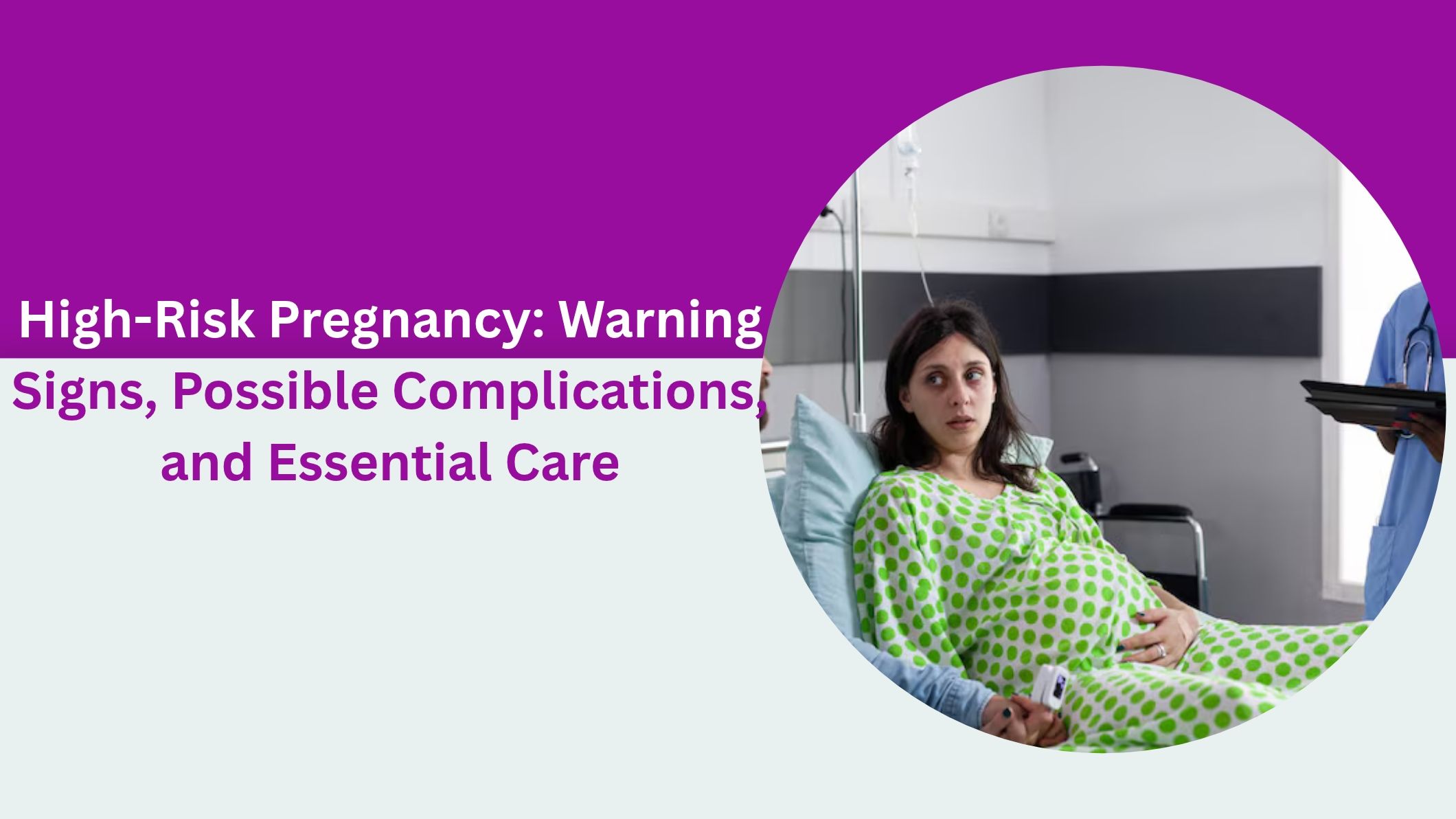
Pregnancy is an important journey that requires proper medical attention to ensure the well-being of both the mother and the developing baby. While most pregnancies progress without major complications, some are classified as high-risk due to existing health conditions, maternal age, or pregnancy-related concerns. A high-risk pregnancy does not necessarily mean that complications will occur, but it indicates the need for specialised care, regular monitoring, and timely medical guidance.
Understanding the warning signs, possible complications, and essential precautions can help expectant mothers make informed decisions and receive appropriate care throughout pregnancy.
What Is a High-Risk Pregnancy and What Are Its Common Causes
A high-risk pregnancy is one in which the mother, baby, or both have an increased chance of experiencing health complications during pregnancy, childbirth, or the postpartum period. These risks may be present before conception or develop as pregnancy progresses. Early identification allows healthcare professionals to create an appropriate care plan and monitor the pregnancy more closely.
Common Risk Factors
Several factors may contribute to a high-risk pregnancy, including:
- Maternal age: Pregnancy below the age of 17 or above 35 may require additional medical monitoring.
- High blood pressure: Chronic hypertension or pregnancy-related hypertension can affect the mother's health and blood supply to the placenta.
- Diabetes: Pre-existing diabetes or gestational diabetes may increase the risk of complications affecting both mother and baby.
- Multiple pregnancies: Carrying twins or triplets increases the possibility of premature delivery and other pregnancy-related concerns.
- Previous pregnancy complications: A history of miscarriage, premature birth, preeclampsia, or certain delivery complications may require closer supervision.
- Existing medical conditions: Thyroid disorders, kidney disease, heart conditions, and autoimmune disorders can influence pregnancy outcomes.
Identifying these factors during early prenatal visits helps doctors determine the level of monitoring and medical support required throughout pregnancy.
Warning Signs and Possible Complications of High-Risk Pregnancy
Recognising unusual symptoms during pregnancy is essential, particularly for women who have been identified as having a high-risk pregnancy. Some symptoms may indicate complications that require immediate medical assessment. Ignoring these warning signs can delay diagnosis and appropriate treatment.
Important Warning Signs to Watch For
Expectant mothers should seek medical advice if they experience symptoms such as:
- Severe or persistent abdominal pain.
- Vaginal bleeding or unusual fluid leakage.
- Severe headaches, blurred vision, or sudden swelling of the face and hands.
- Persistent vomiting or difficulty keeping fluids down.
- Reduced or absent fetal movements after movements have become regular.
- Regular painful contractions before the expected delivery date.
- Sudden breathlessness, chest pain, or fainting.
Heavy bleeding, seizures, severe breathing difficulty, and intense abdominal pain require emergency medical attention.
Possible Pregnancy Complications
High-risk pregnancies may involve conditions such as preeclampsia, gestational diabetes, placental abnormalities, restricted fetal growth, premature birth, and low birth weight. Preeclampsia is a pregnancy-related condition involving high blood pressure that can affect the mother's organs and may require urgent treatment. Placental complications may interfere with the supply of oxygen and nutrients to the developing baby.
However, having a high-risk pregnancy does not mean that these complications will definitely occur. Regular medical assessments help identify potential problems early and allow doctors to recommend suitable management.
Essential Care, Monitoring, and Management During Pregnancy
Proper prenatal care is one of the most important aspects of managing a high-risk pregnancy. The care plan depends on the mother's medical history, pregnancy stage, existing conditions, and specific risk factors. Regular consultations help healthcare professionals assess maternal health and monitor the baby's development.
Important Care Measures for Expectant Mothers
Women with high-risk pregnancies may require regular blood pressure checks, blood sugar monitoring, ultrasound examinations, and fetal growth assessments. Depending on the pregnancy, doctors may also recommend additional tests, including fetal heart rate monitoring, to evaluate the baby's well-being.
Some essential precautions include:
- Attend all scheduled antenatal appointments.
- Take prescribed medicines and supplements as advised by the doctor.
- Follow a balanced diet containing adequate protein, vitamins, and minerals.
- Stay hydrated and maintain suitable physical activity with medical approval.
- Avoid smoking, alcohol, and medications that have not been approved by a healthcare professional.
- Monitor fetal movements according to medical guidance.
- Contact the doctor promptly if unusual symptoms develop.
In certain situations, specialised treatment, hospital observation, or planned early delivery may be necessary to protect maternal and fetal health. Delivery planning is based on the mother's condition, the baby's development, and the potential risks of continuing the pregnancy.
A high-risk pregnancy requires careful attention, but early diagnosis, personalised medical care, and regular monitoring can help manage many associated concerns. Emotional support and open communication with healthcare professionals are also important throughout this journey.
Dr. Preeti Tandon at Fakeeh University Hospital provides expert healthcare regarding this, offering pregnancy assessment, specialised monitoring, and personalised medical guidance to support maternal and fetal well-being.