



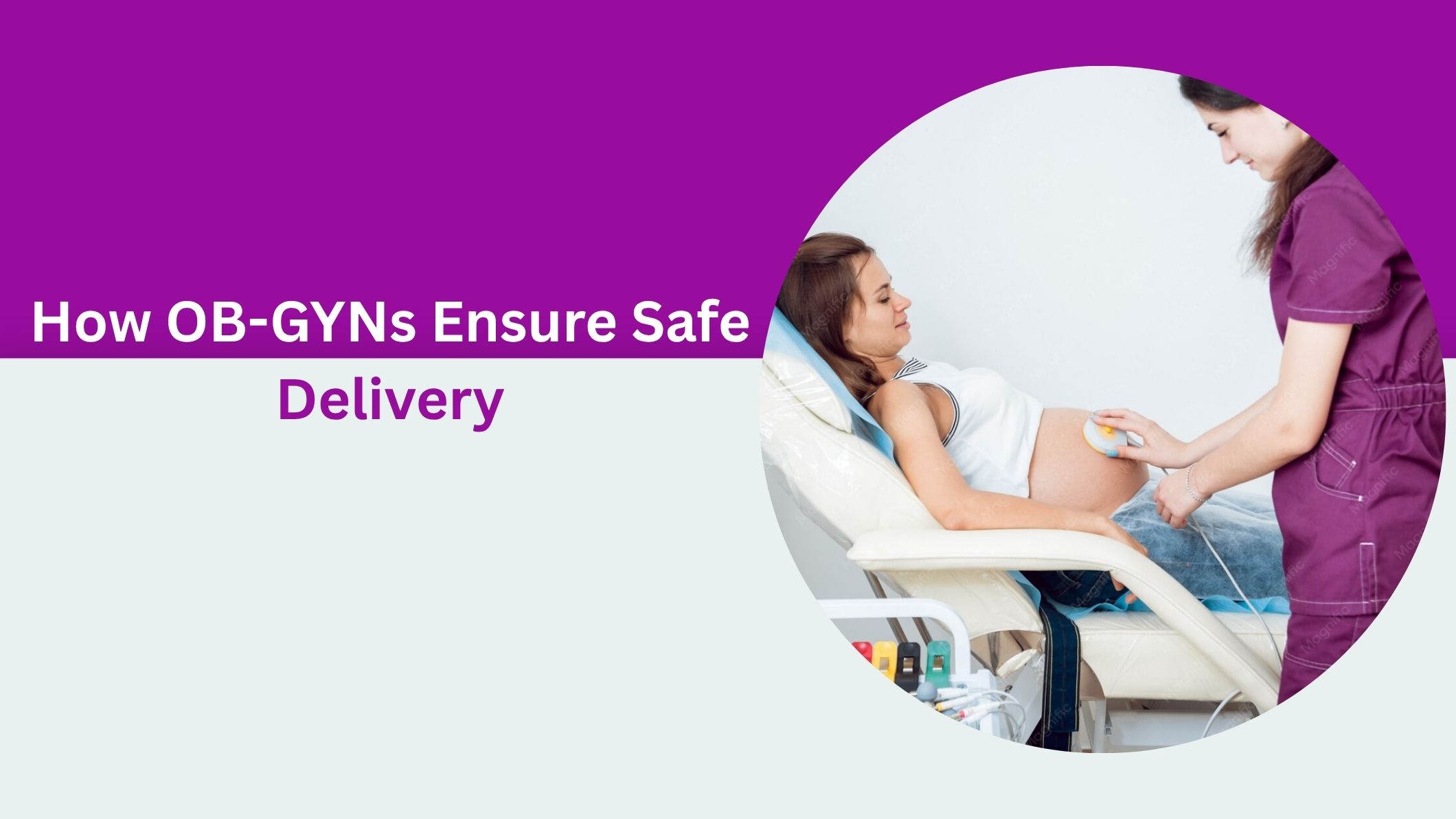
Childbirth is an important stage of pregnancy that requires careful monitoring, preparation, and professional medical support. An obstetrician-gynecologist (OB-GYN) plays a central role in helping mothers and babies stay healthy throughout pregnancy, labor, and delivery. From routine prenatal check-ups to monitoring the baby's heart rate and managing unexpected complications, OB-GYNs use medical knowledge, clinical experience, and modern healthcare practices to support a safe delivery.
Every pregnancy is different, and the approach to delivery depends on the mother's health, the baby's condition, pregnancy history, and other individual factors. Regular prenatal care allows an OB-GYN to identify potential concerns early and develop an appropriate delivery plan.
How OB-GYNs Prepare Mothers for a Safe Delivery
Regular Prenatal Monitoring
One of the most important ways OB-GYNs support a safe delivery is through regular prenatal care. During appointments, the doctor monitors the mother's blood pressure, weight, general health, and pregnancy progress. The baby's growth and development are also assessed through appropriate examinations and tests.
Routine monitoring can help healthcare professionals identify concerns such as high blood pressure, gestational diabetes, infections, anemia, or problems affecting the baby's growth. Detecting these conditions early allows appropriate management and helps reduce potential risks during pregnancy and delivery.
Assessing the Health of the Mother and Baby
As pregnancy progresses, OB-GYNs evaluate both maternal and fetal wellbeing. Depending on the stage of pregnancy and individual circumstances, ultrasound examinations, blood tests, fetal monitoring, and other assessments may be recommended.
These evaluations help the healthcare team understand how the pregnancy is progressing and whether any additional monitoring or medical care is required. An individualized approach is particularly important for women with previous pregnancy complications, multiple pregnancies, or existing health conditions.
Creating an Appropriate Delivery Plan
OB-GYNs discuss delivery options with expectant mothers and explain what they can expect during labor. The delivery plan may change depending on how pregnancy progresses and the condition of the mother and baby.
Factors such as the baby's position, gestational age, maternal health, previous surgeries, and complications can influence decisions about vaginal delivery or cesarean birth. The goal is always to choose an approach that prioritizes the safety and wellbeing of both mother and baby.
How OB-GYNs Manage Labor and Delivery Safely
Monitoring During Labor
During labor, healthcare professionals closely monitor the mother and baby. The baby's heart rate and the mother's vital signs may be monitored to identify any signs that require attention. The progress of labor is also assessed regularly.
Continuous observation allows the medical team to respond promptly if complications develop. Depending on the circumstances, the OB-GYN may recommend changes in management, additional monitoring, assisted delivery, or cesarean delivery when medically appropriate.
Managing Possible Delivery Complications
Although many deliveries progress normally, complications can sometimes occur unexpectedly. OB-GYNs are trained to recognize and manage situations such as prolonged labor, abnormal fetal heart rate patterns, excessive bleeding, problems with the baby's position, or other maternal and fetal concerns.
Having an experienced medical team available during delivery means that appropriate action can be taken when necessary. Depending on the situation, treatment may involve medication, assisted vaginal delivery, or a cesarean section.
Supporting the Mother After Delivery
Safe delivery does not end when the baby is born. Postpartum care is also an important part of maternal healthcare. OB-GYNs monitor the mother's recovery, bleeding, blood pressure, pain, and overall wellbeing after childbirth.
New mothers may also receive guidance about breastfeeding, nutrition, physical recovery, contraception, and warning signs that require medical attention. Emotional wellbeing is another important part of postpartum care, and women should feel comfortable discussing persistent mood changes, anxiety, or other concerns with their healthcare provider.
Choosing an experienced OB-GYN and attending regular prenatal appointments can make an important difference in pregnancy care. Expectant mothers should follow their healthcare provider's recommendations, attend scheduled check-ups, maintain a healthy lifestyle, and promptly report unusual symptoms such as severe abdominal pain, heavy bleeding, severe headaches, reduced fetal movement, or other concerning changes.
For women seeking expert pregnancy, childbirth, and women's healthcare, Dr. Preeti Tandon at Fakeeh University Hospital provides comprehensive and personalized healthcare support. With professional guidance, careful pregnancy monitoring, and appropriate medical care throughout labor and delivery, Dr. Preeti Tandon and the team at Fakeeh University Hospital can help expectant mothers receive the best healthcare and support for a safe and healthy delivery.