



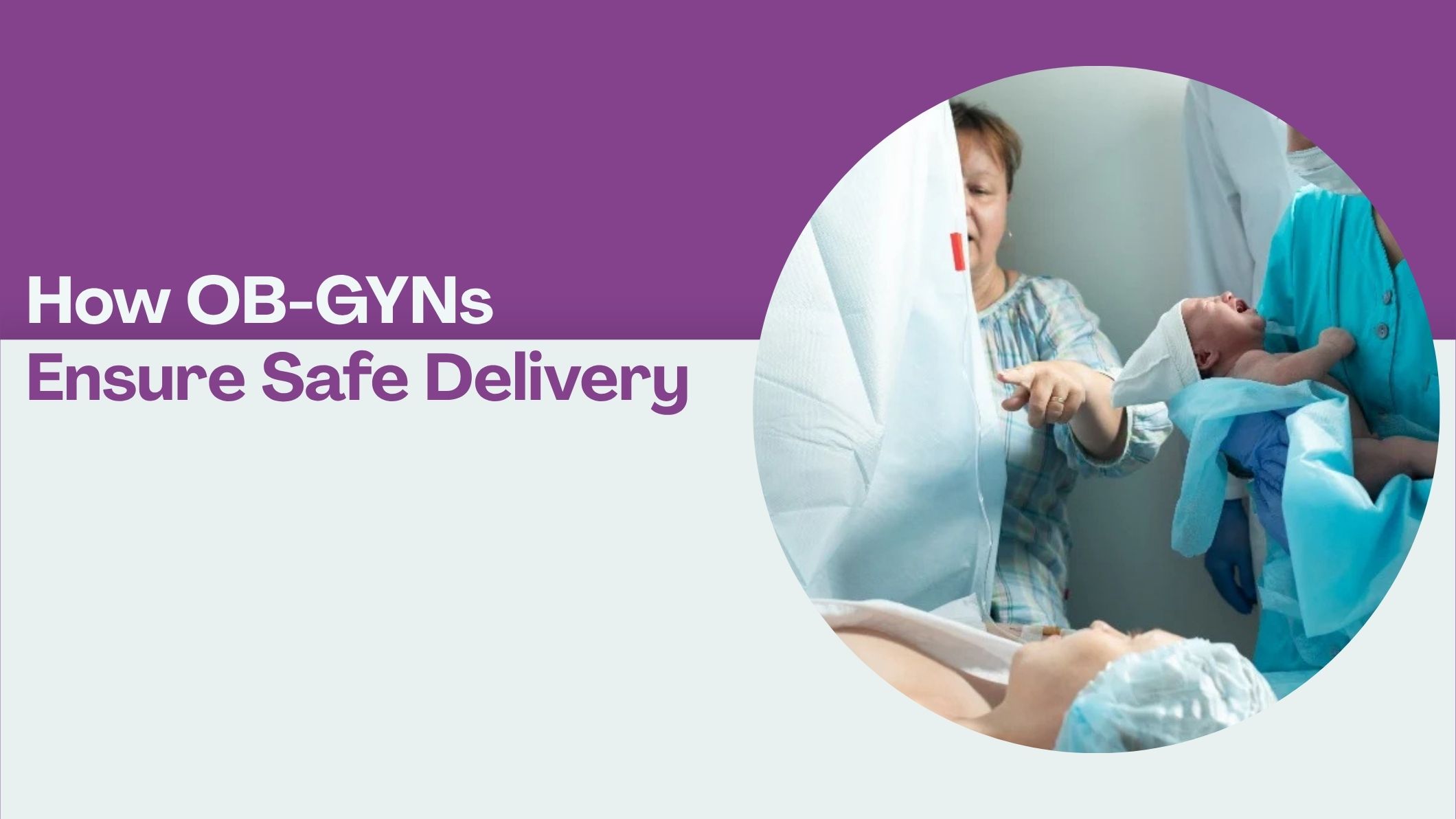
Safe delivery is one of the most important goals during pregnancy, and obstetricians-gynecologists (OB-GYNs) play a critical role in making that possible. From the early stages of pregnancy to labor, childbirth, and postpartum care, OB-GYNs monitor the health of both mother and baby to reduce risks and support a healthy birth outcome.
Every pregnancy is unique, which is why professional guidance throughout the journey is essential. Through medical expertise, routine monitoring, and timely intervention when needed, OB-GYNs help ensure a safer delivery experience.
Prenatal Care Lays the Foundation for Safe Delivery
Regular Pregnancy Monitoring
One of the primary ways OB-GYNs ensure safe delivery is through consistent prenatal care. Regular check-ups allow doctors to track fetal growth, monitor maternal health, and identify any potential complications early.
During prenatal visits, OB-GYNs assess blood pressure, weight gain, fetal heartbeat, and overall pregnancy progress. Routine ultrasounds and diagnostic tests also help detect conditions that may require additional care or specialized planning before delivery.
Identifying and Managing Pregnancy Risks
Some pregnancies involve higher risks due to conditions such as gestational diabetes, high blood pressure, anemia, thyroid disorders, or previous pregnancy complications. OB-GYNs closely monitor these situations and develop personalized care plans to manage risks effectively.
By identifying complications early, doctors can take preventive steps to protect both mother and baby and reduce the chances of emergency situations during childbirth.
Guidance on Nutrition and Lifestyle
Safe delivery begins long before labor. OB-GYNs provide guidance on proper nutrition, prenatal supplements, exercise, and lifestyle habits that support a healthy pregnancy.
They also educate mothers about warning signs, fetal movement tracking, and when to seek urgent medical attention, helping patients stay informed and prepared throughout pregnancy.
Careful Labor Management Supports Safe Childbirth
Monitoring During Labor
During labor, OB-GYNs continuously assess both maternal and fetal well-being. They monitor contractions, cervical dilation, fetal heart rate, and the baby’s position to ensure labor is progressing safely.
If signs of fetal distress or labor complications arise, timely medical decisions can be made to protect both mother and child.
Making Timely Delivery Decisions
Not all deliveries follow the same path. Some mothers may have a smooth vaginal delivery, while others may require assisted delivery or cesarean section (C-section).
OB-GYNs evaluate the safest delivery method based on medical conditions, labor progress, and the baby’s health. Their expertise helps determine when intervention is necessary to prevent complications.
Managing Emergencies During Childbirth
Unexpected situations can arise during labor, including prolonged labor, excessive bleeding, fetal distress, or complications with the placenta. OB-GYNs are trained to respond quickly and manage these emergencies effectively.
Access to skilled obstetric care significantly improves the ability to handle complications and maintain safety during delivery.
Post-Delivery Care Is Part of Safe Delivery
Monitoring Mother and Baby After Birth
Safe delivery does not end once the baby is born. OB-GYNs continue monitoring the mother for postpartum bleeding, infection, and recovery concerns while also ensuring the newborn is stable and healthy.
This early postpartum care is crucial for identifying complications that may arise immediately after childbirth.
Supporting Recovery and Follow-Up Care
OB-GYNs also guide mothers through recovery after delivery, including wound healing (if applicable), breastfeeding support, hormonal changes, and postpartum health monitoring.
Proper follow-up care helps promote long-term maternal well-being and supports a smoother recovery after childbirth.
The Importance of Choosing Experienced Obstetric Care
Choosing the right OB-GYN is an important part of ensuring safe delivery. Experienced obstetric care provides not only medical expertise but also reassurance, preparedness, and personalized attention throughout pregnancy and childbirth.
From routine pregnancies to high-risk cases, having professional support can make a significant difference in achieving positive outcomes for both mother and baby.
Conclusion
OB-GYNs ensure safe delivery through comprehensive prenatal care, careful labor monitoring, timely medical decisions, and continued postpartum support. Their role is essential in reducing risks, managing complications, and helping mothers experience safer childbirth.
If you are looking for expert pregnancy and maternity care, Dr. Preeti Tandon’s Clinic provides the best Gynecologist treatment regarding safe delivery, prenatal care, and complete obstetric support. With professional guidance and personalized care, the clinic supports mothers at every stage of pregnancy for a safe and healthy delivery experience.