



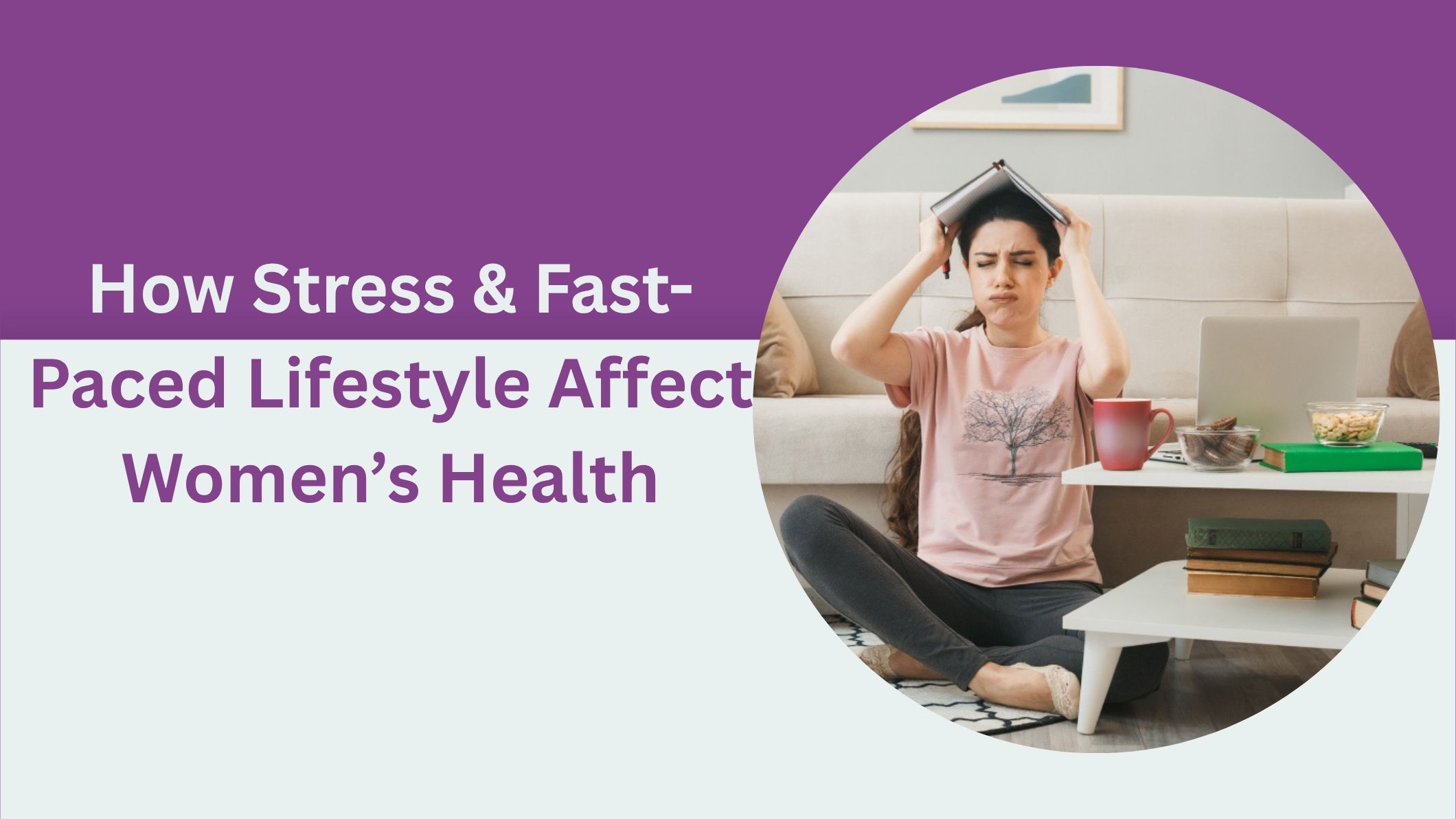
Modern women often balance multiple responsibilities, including careers, family obligations, social commitments, and personal aspirations. While managing these roles can be fulfilling, a fast-paced lifestyle and constant stress can take a serious toll on overall health. Chronic stress not only affects mental well-being but can also disrupt hormonal balance, reproductive health, sleep patterns, and physical fitness. Understanding the impact of stress on women’s health is the first step toward maintaining a healthier and more balanced life.
Understanding Stress and Its Effects on the Body
Stress is the body's natural response to demanding situations. When faced with challenges, the body releases hormones such as cortisol and adrenaline, helping individuals react quickly. While short-term stress can be beneficial in certain situations, prolonged stress can negatively affect multiple body systems.
Women may be particularly vulnerable to the effects of chronic stress due to hormonal fluctuations and the demands of managing various personal and professional responsibilities. Over time, unmanaged stress can contribute to several health concerns.
Physical Health Problems Caused by Chronic Stress
Sleep Disturbances and Fatigue
One of the most common effects of stress is poor sleep quality. Constant worry and mental exhaustion can make it difficult to fall asleep or stay asleep. Lack of proper rest often leads to daytime fatigue, reduced productivity, and weakened concentration.
Weakened Immune System
Chronic stress can suppress the immune system, making women more vulnerable to infections, colds, and other illnesses. The body becomes less effective at fighting off disease, which may result in frequent health issues.
Weight Gain or Weight Loss
Stress can significantly influence eating habits. Some women turn to unhealthy comfort foods, while others may lose their appetite altogether. These changes can lead to unhealthy weight fluctuations and increase the risk of obesity or nutritional deficiencies.
Increased Risk of Heart Disease
Long-term stress may contribute to high blood pressure, elevated cholesterol levels, and inflammation, all of which increase the risk of cardiovascular diseases. Women experiencing chronic stress should pay close attention to heart health and lifestyle habits.
Impact of Stress on Mental and Emotional Well-Being
Anxiety and Depression
Persistent stress can affect emotional stability and increase the likelihood of anxiety and depression. Women may experience feelings of sadness, hopelessness, irritability, or excessive worry that interfere with daily activities.
Difficulty Concentrating
High stress levels can impair memory, focus, and decision-making abilities. This can make it challenging to manage work responsibilities, household tasks, and personal commitments effectively.
Mood Swings and Emotional Exhaustion
Stress often leads to emotional burnout. Frequent mood swings, frustration, and a reduced ability to cope with everyday challenges can affect personal relationships and overall quality of life.
Effects of Stress on Women’s Reproductive Health
Menstrual Irregularities
Stress can interfere with the hormones responsible for regulating the menstrual cycle. As a result, women may experience irregular periods, missed cycles, heavier bleeding, or more severe menstrual cramps.
Hormonal Imbalances
Elevated cortisol levels can disrupt the balance of estrogen and progesterone, leading to hormonal fluctuations that affect physical and emotional health.
Fertility Challenges
Chronic stress may impact ovulation and reproductive function, making it more difficult for some women to conceive. Managing stress is often an important part of fertility care and overall reproductive health.
Lifestyle Factors That Contribute to Stress
Demanding Work Schedules
Long working hours, tight deadlines, and workplace pressures can contribute significantly to stress and burnout.
Poor Dietary Habits
Skipping meals, consuming excessive caffeine, and relying on processed foods can worsen the body's response to stress and reduce overall energy levels.
Lack of Physical Activity
A sedentary lifestyle can increase stress levels and negatively impact both physical and mental health. Regular exercise helps release endorphins, which naturally improve mood and reduce stress.
Excessive Screen Time
Continuous exposure to smartphones, computers, and social media can increase anxiety, mental fatigue, and sleep disturbances.
How Women Can Manage Stress Effectively
Practice Self-Care
Taking time for relaxation, hobbies, and personal interests can significantly improve mental well-being and reduce stress levels.
Maintain a Healthy Lifestyle
Eating a balanced diet, staying hydrated, and engaging in regular physical activity can help the body cope more effectively with stress.
Get Quality Sleep
Establishing a consistent sleep routine and reducing screen time before bed can improve sleep quality and support overall health.
Seek Professional Medical Guidance
If stress is affecting your physical, emotional, or reproductive health, consulting a healthcare expert can help identify underlying issues and provide appropriate treatment.
Conclusion
Stress and a fast-paced lifestyle can significantly impact women’s physical, mental, and reproductive health. From sleep disorders and anxiety to hormonal imbalances and menstrual irregularities, the effects of chronic stress should never be ignored. Adopting healthy habits and seeking timely medical support can help women regain balance and improve their overall well-being. For expert care and effective treatment of stress-related women’s health concerns, hormonal issues, menstrual disorders, and overall gynecological wellness, Dr. Preeti Tandon’s Clinic provides the best treatment and personalized care to help women lead healthier and happier lives.