



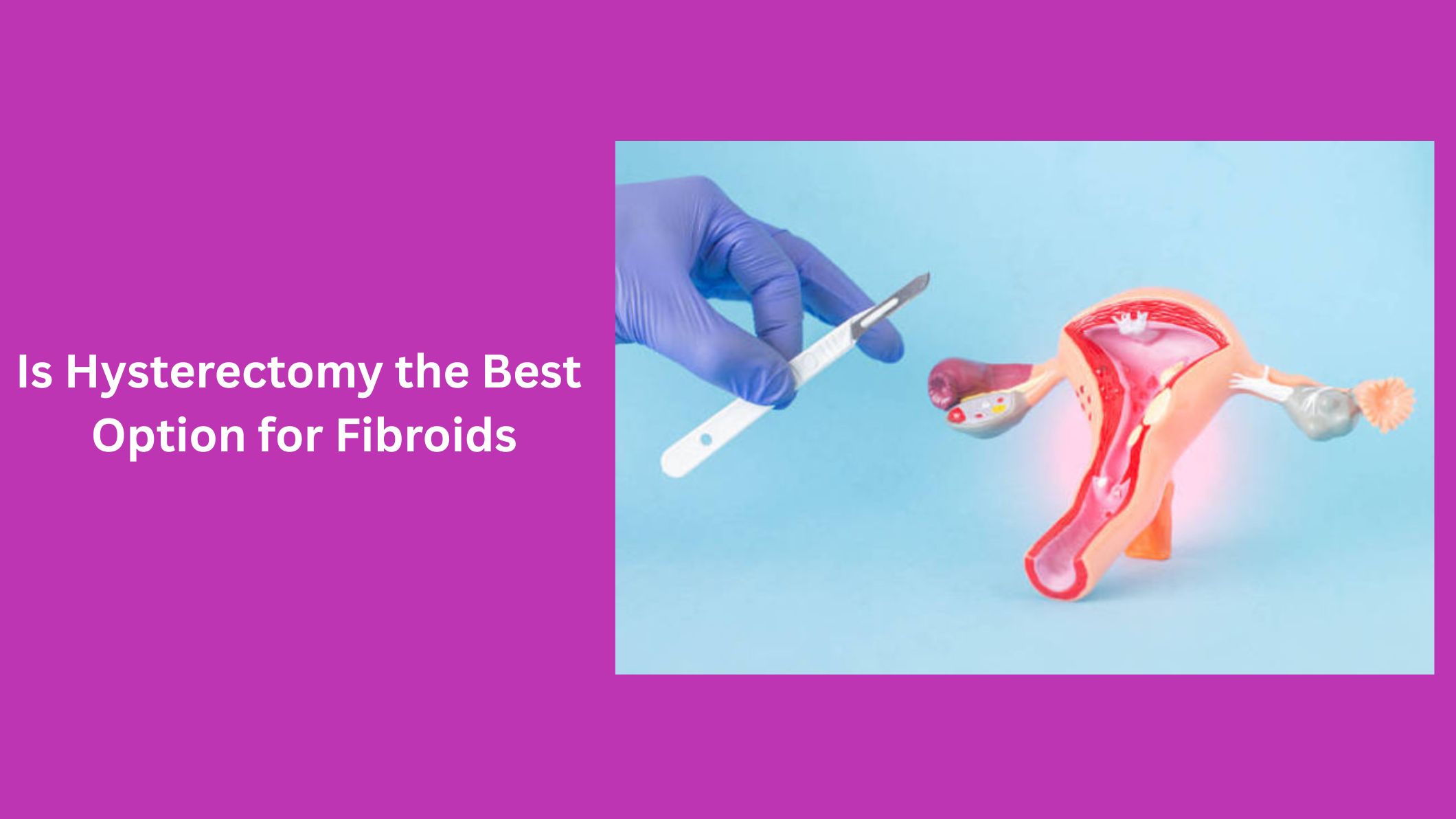
Fibroids are non-cancerous growths that develop in or around the uterus and are very common among women of reproductive age. While many fibroids cause no symptoms, others can lead to heavy menstrual bleeding, pelvic pain, frequent urination, and fertility challenges. When symptoms become severe or interfere with daily life, treatment becomes necessary. One of the most well-known treatment options is hysterectomy, which involves removing the uterus. However, many women wonder if hysterectomy is truly the best option or if other less invasive treatments may be more suitable.
Understanding Hysterectomy for Fibroids
What is a Hysterectomy
A hysterectomy is a surgical procedure that removes the uterus, and in some cases, the cervix, ovaries, and fallopian tubes. Since fibroids grow within the uterus, removing the uterus completely eliminates the possibility of fibroid recurrence. This makes hysterectomy a permanent and definitive solution for fibroids.
When is Hysterectomy Recommended
Doctors may recommend hysterectomy when fibroids are very large, causing severe symptoms, or when other treatments have failed. It is also considered when fibroids significantly affect a woman’s quality of life or when there is suspicion of other serious conditions. Women who do not plan to have children in the future may be more likely to consider this option.
Benefits and Limitations of Hysterectomy
Benefits of Hysterectomy
The biggest advantage of hysterectomy is that it permanently removes fibroids and eliminates related symptoms such as heavy bleeding and pelvic pain. After the procedure, women no longer experience menstrual periods. It also removes the risk of fibroids returning, providing long-term relief and peace of mind.
Limitations and Considerations
Despite its effectiveness, hysterectomy is a major surgical procedure that requires recovery time. It is not suitable for women who wish to preserve fertility, as pregnancy is no longer possible after the uterus is removed. Recovery may take several weeks, and like any surgery, it carries potential risks such as infection, bleeding, or complications from anesthesia. Emotional and hormonal changes may also occur, especially if the ovaries are removed.
Alternative Treatments to Consider
Myomectomy
Myomectomy is a surgical procedure that removes fibroids while preserving the uterus. This option is ideal for women who want to maintain their fertility. It can be performed through minimally invasive techniques such as laparoscopy, which allows faster recovery and less discomfort compared to open surgery.
Non-Surgical and Minimally Invasive Options
Other treatments include medications to control symptoms, uterine artery embolization (UAE) to shrink fibroids, and hormone therapy to reduce their size. These options can effectively manage fibroids without removing the uterus and are often recommended for women with mild to moderate symptoms.
Choosing the Right Treatment for You
Factors to Consider
The best treatment depends on several factors, including the size and number of fibroids Treatment, symptom severity, age, overall health, and future pregnancy plans. Some women may benefit from conservative treatments, while others may require surgery for lasting relief.
Importance of Expert Medical Advice
Every woman’s condition is unique, and treatment should be personalized. Consulting a qualified gynecologist helps you understand all available options and choose the most appropriate solution based on your needs and lifestyle.
Conclusion: Expert Fibroid Care and Treatment
Hysterectomy can be the best option for fibroids in certain cases, especially when symptoms are severe and other treatments have not worked. However, it is not the only solution. Many women benefit from less invasive treatments that preserve the uterus and provide effective relief. Understanding your options and seeking professional medical guidance is essential to making the right decision for your health.
For accurate diagnosis and advanced fibroid treatment, Dr. Preeti Tandon’s Clinic provides the best treatment and personalized care. Their experienced specialists offer modern, safe, and effective treatment options to help women achieve long-term relief and improved quality of life.