



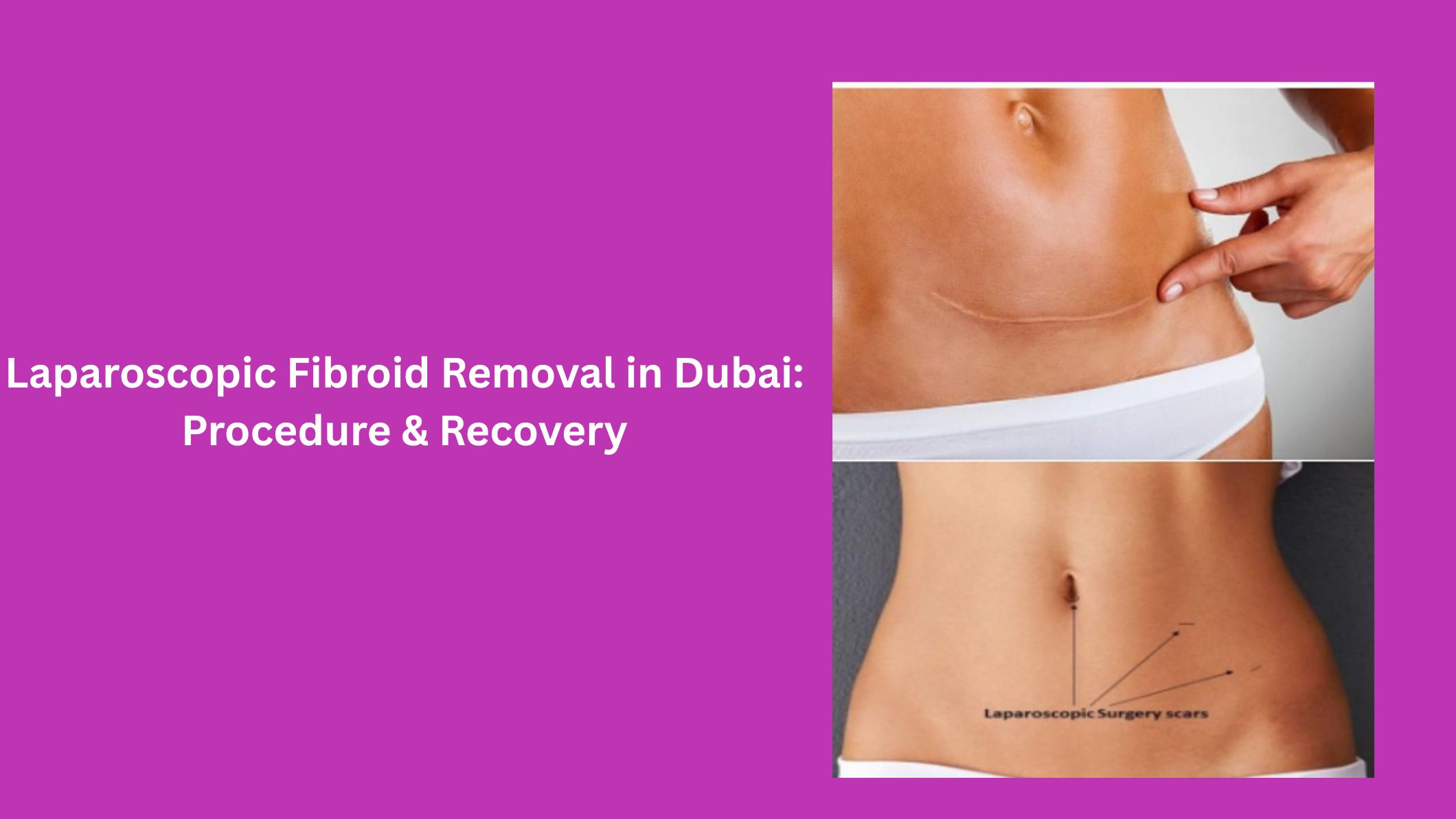
Laparoscopic fibroid removal, also known as laparoscopic myomectomy, is a highly advanced and minimally invasive surgical technique used to remove uterine fibroids while preserving the uterus. With the growing preference for faster recovery, less postoperative pain, and minimal scarring, women in Dubai are increasingly opting for laparoscopic procedures for fibroid management. Fibroids are non-cancerous growths that can cause heavy bleeding, pelvic pain, fertility issues, and discomfort during daily activities. Understanding how this procedure works and what to expect during recovery helps patients feel more confident and prepared.
1. Understanding Laparoscopic Fibroid Removal
What Are Uterine Fibroids?
Uterine fibroids are benign tumors that develop in the muscular wall of the uterus. They vary in size, from small pea-sized growths to large masses that distort the uterus. Although many women have fibroids without symptoms, others experience heavy periods, prolonged menstrual cycles, frequent urination, constipation, and lower back pain. In some cases, fibroids may interfere with fertility or pregnancy.
Why Choose the Laparoscopic Approach?
Laparoscopic myomectomy is preferred because it uses tiny incisions instead of a large abdominal cut. A thin camera called a laparoscope is inserted through the incision, providing a magnified view of the uterus. Surgical instruments are used simultaneously to remove fibroids precisely. This minimally invasive approach leads to reduced bleeding, lower infection risks, and shorter hospital stays. Most women return to normal activities much sooner compared to open surgery.
Ideal Candidates for the Procedure
Laparoscopic fibroid removal is ideal for women with small to moderately sized fibroids that are accessible through minimally invasive methods. It is also suitable for women planning future pregnancies, as it preserves the uterus and supports fertility. A gynecologist will assess the size, number, and location of fibroids through ultrasound or MRI to determine suitability for the procedure.
2. The Procedure: Step-by-Step
Preoperative Assessment and Preparation
Before the surgery, a detailed health evaluation is conducted. Blood tests, imaging scans, and medical history reviews help determine the best surgical approach. Patients may be advised to stop certain medications or adjust their diet before the procedure. Clear instructions are provided regarding fasting and post-surgery arrangements.
How the Surgery Is Performed
The procedure begins with general anesthesia. Small incisions are made near the navel, and the abdomen is gently inflated with gas to create space. The laparoscope is inserted, transmitting high-definition images to a monitor. Using specialized instruments, the surgeon carefully separates the fibroid from the uterine tissue and removes it. Bleeding is controlled, and the uterine wall is repaired. The entire surgery typically takes one to two hours, depending on the size and number of fibroids.
Post-Surgery Care in the Hospital
After surgery, patients are monitored for a few hours to ensure stable recovery. Pain and discomfort are usually minimal and managed with medication. Most patients can go home the same day or after one night of observation. Doctors provide detailed instructions regarding wound care, medication, and physical activity limitations.
3. Recovery and Aftercare
Healing Timeline and What to Expect
One of the biggest advantages of laparoscopic fibroid removal is the quick recovery time. Most women resume light activities within a few days and return to normal routines in 1–2 weeks. Mild swelling, fatigue, or shoulder pain (from the gas used during surgery) may be experienced temporarily. It is essential to avoid heavy lifting and strenuous exercise until the doctor approves.
Follow-Up Visits and Monitoring
Follow-up appointments are important to ensure the uterus heals properly. During these visits, the doctor will check the incision sites, evaluate symptoms, and may conduct scans if necessary. Women planning pregnancy after surgery are advised to wait a specific duration to allow complete healing of the uterine wall.
Long-Term Benefits and Symptom Relief
Laparoscopic myomectomy provides long-lasting relief from fibroid symptoms such as heavy bleeding, pelvic pain, and menstrual irregularities. Many women experience improved fertility, increased energy levels, and a better quality of life. The minimally invasive approach also reduces the chances of complications and results in minimal scarring.
For expert evaluation and advanced treatment options, Dr. Preeti Tandon provides specialized laparoscopic fibroid removal treatment in Dubai, ensuring safe care and successful outcomes for women dealing with fibroids.