



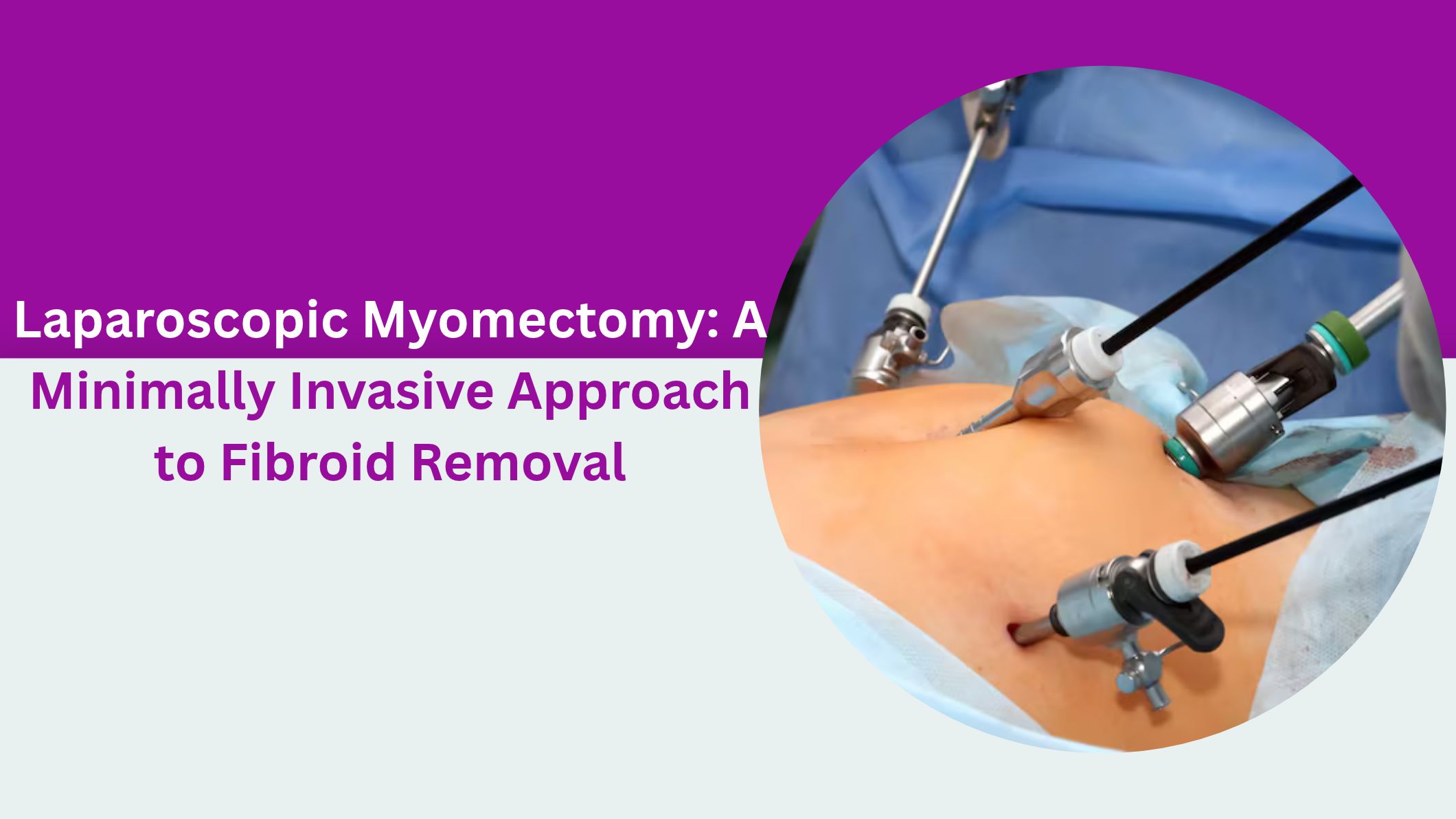
Uterine fibroids are non-cancerous growths that develop in or around the uterus and can cause symptoms such as heavy menstrual bleeding, pelvic pain, abdominal pressure, and fertility-related difficulties. While some fibroids may not require immediate treatment, others can affect a woman's daily life and reproductive health. With advancements in gynaecological surgery, laparoscopic myomectomy has become an effective minimally invasive option for removing fibroids while preserving the uterus. This procedure is particularly beneficial for women who wish to retain their fertility and avoid major surgical intervention.
Understanding Laparoscopic Myomectomy
Laparoscopic myomectomy is a minimally invasive surgical procedure performed to remove uterine fibroids through small incisions in the abdomen. Instead of making a large abdominal incision, the surgeon uses a laparoscope, a thin instrument equipped with a camera, to view the uterus and surrounding structures on a monitor.
Specialised surgical instruments are inserted through small incisions to carefully separate and remove fibroids from the uterine wall. The procedure allows the surgeon to preserve the uterus while addressing fibroids responsible for discomfort, heavy bleeding, or reproductive concerns.
When Is Laparoscopic Myomectomy Recommended?
A gynaecologist may recommend this procedure depending on the size, number, and location of fibroids, along with the patient's symptoms and reproductive goals. It may be considered in cases involving:
- Heavy menstrual bleeding: Fibroids can contribute to prolonged or excessive menstrual bleeding, sometimes leading to anaemia.
- Pelvic pain and pressure: Larger fibroids may cause persistent discomfort, abdominal heaviness, or pressure in the pelvic region.
- Frequent urination: Fibroids pressing against the bladder can increase urinary frequency or create difficulty emptying the bladder.
- Fertility concerns: Certain fibroids, particularly those affecting the uterine cavity, may interfere with conception or pregnancy outcomes.
- Growing fibroids: Fibroids that increase in size or cause worsening symptoms may require surgical evaluation.
Benefits of Laparoscopic Myomectomy
One of the main advantages of laparoscopic myomectomy is that it removes fibroids while preserving the uterus. Compared with traditional open surgery, this minimally invasive approach may offer several benefits:
- Smaller incisions: The procedure involves small abdominal incisions, resulting in less visible scarring.
- Reduced postoperative discomfort: Many patients experience less pain compared with conventional open surgery.
- Faster recovery: Patients generally return to their regular activities sooner, although recovery time varies depending on the complexity of surgery.
- Shorter hospital stay: Many patients can return home earlier than after open myomectomy.
- Uterus preservation: The procedure retains the uterus, which may be important for women planning future pregnancies.
How Is the Procedure Performed?
Laparoscopic myomectomy is generally performed under general anaesthesia. The surgeon makes small incisions in the abdomen and inserts a laparoscope to obtain a clear view of the uterus. Specialised instruments are then used to locate and carefully remove the fibroids.
After removing the fibroids, the surgeon repairs the uterine muscle to support proper healing. The procedure's duration depends on the number, size, and location of fibroids. Before surgery, patients undergo medical evaluation and imaging tests to determine whether they are suitable candidates for this approach.
Recovery and Care After Laparoscopic Myomectomy
Recovery after laparoscopic myomectomy is generally quicker than after open surgery, but patients still need adequate rest and follow medical instructions. Mild abdominal discomfort, bloating, and fatigue may occur during the initial recovery period.
Some important recovery recommendations include:
- Follow the prescribed medication and postoperative care instructions.
- Avoid strenuous exercise and heavy lifting until your doctor approves.
- Maintain a balanced diet and stay adequately hydrated.
- Keep incision sites clean and monitor them for signs of infection.
- Attend scheduled follow-up appointments to assess healing.
Women planning a pregnancy should discuss the appropriate waiting period with their gynaecologist, as it depends on the extent of uterine surgery and individual healing. Although laparoscopic myomectomy offers several benefits, it may not be suitable for every patient. Potential risks include bleeding, infection, injury to nearby organs, and the possibility of fibroid recurrence.
Consult Dr. Preeti Tandon for Expert Fibroid Treatment
Dr. Preeti Tandon at Fakeeh University Hospital provides expert gynaecological care, including the evaluation and management of uterine fibroids. With an individualised approach to women's healthcare, she helps patients understand their treatment options and choose suitable solutions based on their symptoms, medical history, and reproductive goals.
Whether you are experiencing heavy menstrual bleeding, pelvic discomfort, or fertility-related concerns, consulting an experienced gynaecologist is important for timely diagnosis and appropriate treatment. Consult Dr. Preeti Tandon for professional guidance and comprehensive women's healthcare. Dr. Preeti Tandon at Fakeeh University Hospital provides expert healthcare regarding this.