



Uterine fibroids are non-cancerous growths that develop in or around the uterus and can cause symptoms such as heavy menstrual bleeding, pelvic pain, and fertility issues. For women who need surgical removal of fibroids, myomectomy is often recommended. In modern healthcare hubs like :contentReference[oaicite:0]{index=0}, patients have access to advanced surgical options, including laparoscopic myomectomy and traditional open surgery. Understanding the differences between these two approaches can help patients make informed decisions based on their medical condition, recovery expectations, and long-term health goals.
Understanding Laparoscopic Myomectomy
Minimally Invasive and Faster Recovery
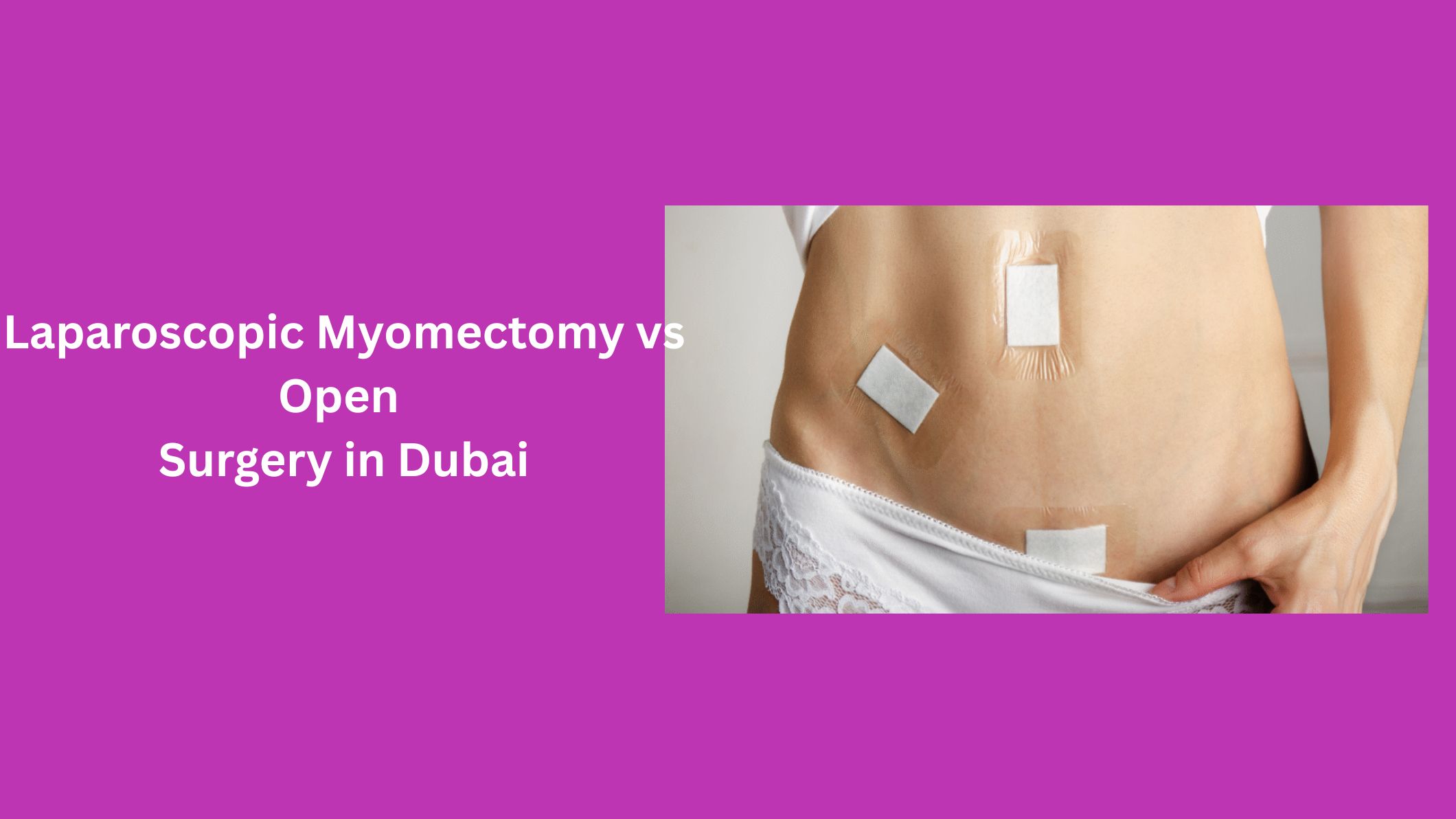
Laparoscopic myomectomy is a minimally invasive procedure that uses small incisions, a camera (laparoscope), and specialized instruments to remove fibroids. This modern technique allows surgeons to perform the operation with high precision while minimizing damage to surrounding tissues. Because the incisions are small, patients usually experience less pain, minimal scarring, and faster healing compared to open surgery.
One of the major advantages of laparoscopic myomectomy is the shorter hospital stay. Many patients can return home within 24–48 hours and resume normal activities within two to three weeks. This makes it an ideal option for working professionals and women who prefer quicker recovery. Additionally, laparoscopic surgery reduces the risk of infections and blood loss, making it a safer option for many patients.
In advanced medical centers, surgeons use high-definition imaging and precise instruments to ensure effective fibroid removal while preserving uterine health, which is especially important for women planning future pregnancies.
Open Myomectomy: When Is It Necessary
Suitable for Larger or Complex Fibroids
Open myomectomy, also known as abdominal myomectomy, involves a larger incision in the abdomen to access and remove fibroids directly. This method is often recommended for patients with very large fibroids, multiple fibroids, or complex cases where minimally invasive techniques may not be sufficient.
While open surgery allows surgeons better visibility and access in certain situations, it comes with longer recovery times. Patients may need to stay in the hospital for several days and may require four to six weeks for complete recovery. There is also a higher risk of scarring, pain, and infection compared to laparoscopic procedures.
However, open myomectomy remains a reliable and effective option when laparoscopic surgery is not medically appropriate. The choice depends on the size, number, and location of fibroids, as well as the patient’s overall health and reproductive goals.
Key Differences and Choosing the Right Option
Factors That Influence Surgical Decisions
The decision between laparoscopic and open myomectomy depends on several important factors. These include fibroid size, number, location, the surgeon’s expertise, and the patient’s medical history. Laparoscopic surgery is generally preferred due to its minimally invasive nature, faster recovery, and lower complication risk. However, open surgery may be necessary for more complex or severe cases.
Another important factor is future fertility. Both procedures aim to preserve the uterus, but laparoscopic surgery often results in less tissue trauma and quicker healing, which can be beneficial for women planning pregnancy. Additionally, laparoscopic procedures offer better cosmetic outcomes due to smaller scars.
Patients in Dubai benefit from access to advanced medical technology and highly experienced specialists who can evaluate each case individually and recommend the safest and most effective approach.
Conclusion
Both laparoscopic myomectomy and open surgery are effective treatments for uterine fibroids, but they differ significantly in terms of recovery time, invasiveness, and patient comfort. Laparoscopic myomectomy offers faster recovery, less pain, and minimal scarring, while open surgery may be necessary for larger or more complex fibroids. Choosing the right procedure requires careful medical evaluation and expert guidance.
For women seeking safe and advanced fibroid treatment, Dr Preeti Tandon Clinic provides the best services with expert consultation, advanced surgical techniques, and personalized care. Their experienced team ensures accurate diagnosis and recommends the most suitable treatment option to help patients achieve optimal health and recovery.