



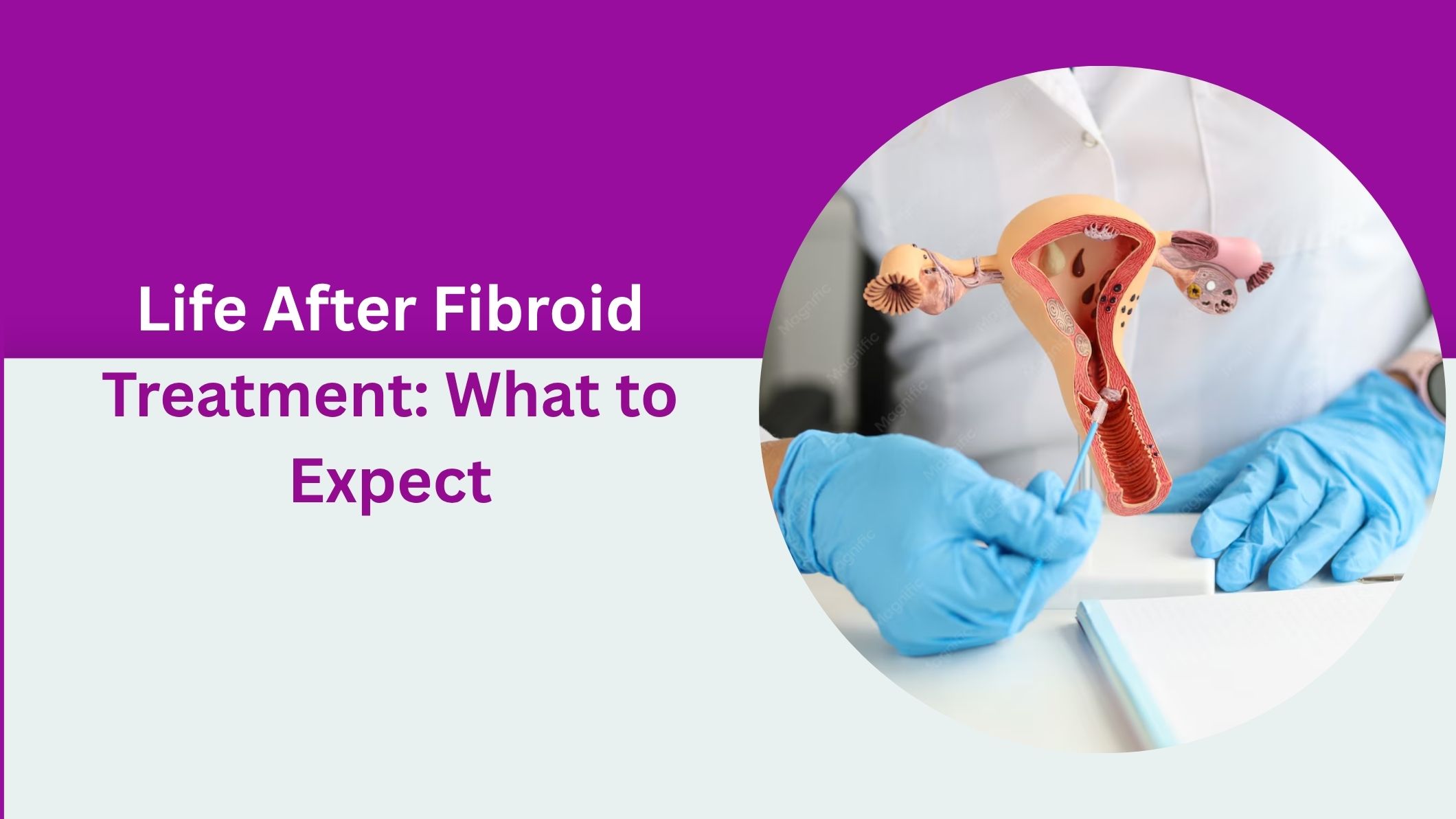
Fibroids are non-cancerous growths that develop in or around the uterus and can cause symptoms such as heavy menstrual bleeding, pelvic discomfort, pressure, frequent urination, and fertility-related concerns. Treatment can significantly improve these symptoms, but many women naturally wonder what life will be like after fibroid treatment and how long it may take to return to their normal routine.
Recovery after fibroid treatment depends on the type of treatment, the size and location of the fibroids, the patient's overall health, and whether the procedure was surgical or non-surgical. Understanding the recovery process and following medical advice can help women transition comfortably into their regular activities.
What to Expect During the Recovery Period
Managing Physical Changes After Treatment
It is normal to experience some temporary changes after fibroid treatment. Depending on the procedure, women may experience tiredness, mild discomfort, abdominal tenderness, spotting, or changes in their menstrual cycle. These symptoms usually vary from person to person and should be discussed with the treating healthcare professional.
After a surgical procedure, the body needs time to heal. Patients may be advised to avoid strenuous exercise, heavy lifting, or certain activities for a specific period. Following these instructions can support recovery and reduce the risk of complications.
Returning to Daily Activities
The timeline for returning to normal activities depends largely on the treatment approach. Some minimally invasive procedures may allow women to resume routine activities relatively quickly, while recovery after more extensive surgery may take longer.
Patients should gradually increase their activity according to their healthcare provider's recommendations. Feeling better does not always mean that internal healing is complete, so rushing back to physically demanding activities may not be advisable.
Changes in Symptoms After Fibroid Treatment
Improvement in Heavy Menstrual Bleeding
One of the main reasons women seek fibroid treatment is heavy or prolonged menstrual bleeding. When treatment successfully addresses the fibroids responsible for these symptoms, menstrual bleeding may become more manageable.
However, changes may not always occur immediately. The body may need time to adjust after treatment, and menstrual patterns can vary during the recovery period. Patients should discuss persistent or unusually heavy bleeding with their healthcare provider.
Relief From Pelvic Pressure and Discomfort
Large or strategically located fibroids can place pressure on nearby organs and tissues, leading to pelvic heaviness, discomfort, bloating, or frequent urination. Successful treatment may reduce these symptoms over time.
The degree of improvement depends on factors such as fibroid size, location, number, and the treatment used. Regular follow-up appointments can help assess whether symptoms are improving as expected.
Fertility and Pregnancy After Fibroid Treatment
Understanding Fertility Considerations
For some women, fibroid treatment is closely connected with fertility goals. Certain fibroids can affect the uterine cavity or interfere with conception or pregnancy, while others may have little impact on fertility.
The effect of treatment on fertility depends on the specific procedure and the individual circumstances. Women who are planning a pregnancy should discuss their reproductive goals with their gynecologist before and after treatment.
Planning a Future Pregnancy
Women who wish to become pregnant after fibroid treatment may need to wait for an appropriate healing period, particularly after surgery. The recommended timeline can vary depending on the procedure and individual recovery.
A healthcare professional can provide personalized guidance regarding when it may be appropriate to begin trying for pregnancy and whether any additional monitoring may be recommended.
Importance of Follow-Up Care
Monitoring Recovery
Follow-up appointments are an important part of post-treatment care. They allow the healthcare provider to assess healing, review symptoms, and determine whether further treatment or monitoring is necessary.
Depending on the treatment, follow-up may involve a physical examination, ultrasound, or other appropriate assessments. Patients should attend recommended appointments even when they feel that their symptoms have improved.
Understanding the Possibility of Recurrence
Some fibroid treatments remove existing fibroids, but certain treatment approaches may not eliminate the possibility of developing new fibroids in the future. The likelihood of recurrence depends on individual factors and the type of treatment performed.
Women should discuss their long-term monitoring needs with their healthcare provider. New symptoms such as heavy bleeding, persistent pelvic pain, or pressure should be evaluated rather than ignored.
Maintaining Health After Treatment
Healthy Lifestyle Habits
Maintaining a balanced lifestyle can support overall health after fibroid treatment. Regular physical activity, nutritious meals, adequate sleep, and stress management can contribute to general well-being.
Women should also follow any specific recommendations provided by their healthcare professional. Lifestyle habits cannot guarantee that fibroids will not return, but they can support overall reproductive and physical health.
Paying Attention to New Symptoms
After treatment, women should remain aware of changes in their menstrual cycle and overall health. Persistent pelvic pain, unusual bleeding, fever, severe discomfort, or other concerning symptoms should be reported to a healthcare professional.
Prompt evaluation can help identify potential complications or other gynecological conditions that may require attention.
Conclusion
Life after fibroid treatment can bring significant improvements in comfort, menstrual symptoms, daily activities, and overall quality of life. Recovery varies depending on the treatment method and individual health, so following medical guidance is essential.
Regular follow-up, gradual return to normal activities, attention to symptoms, and appropriate reproductive planning can help women manage the period after treatment with greater confidence. Women should remember that recovery is an individual process, and their healthcare provider is the best source of personalized advice.
Dr. Preeti Tandon offers the best healthcare regarding fibroid treatment, post-treatment care, women's health, and personalized gynecological support.