



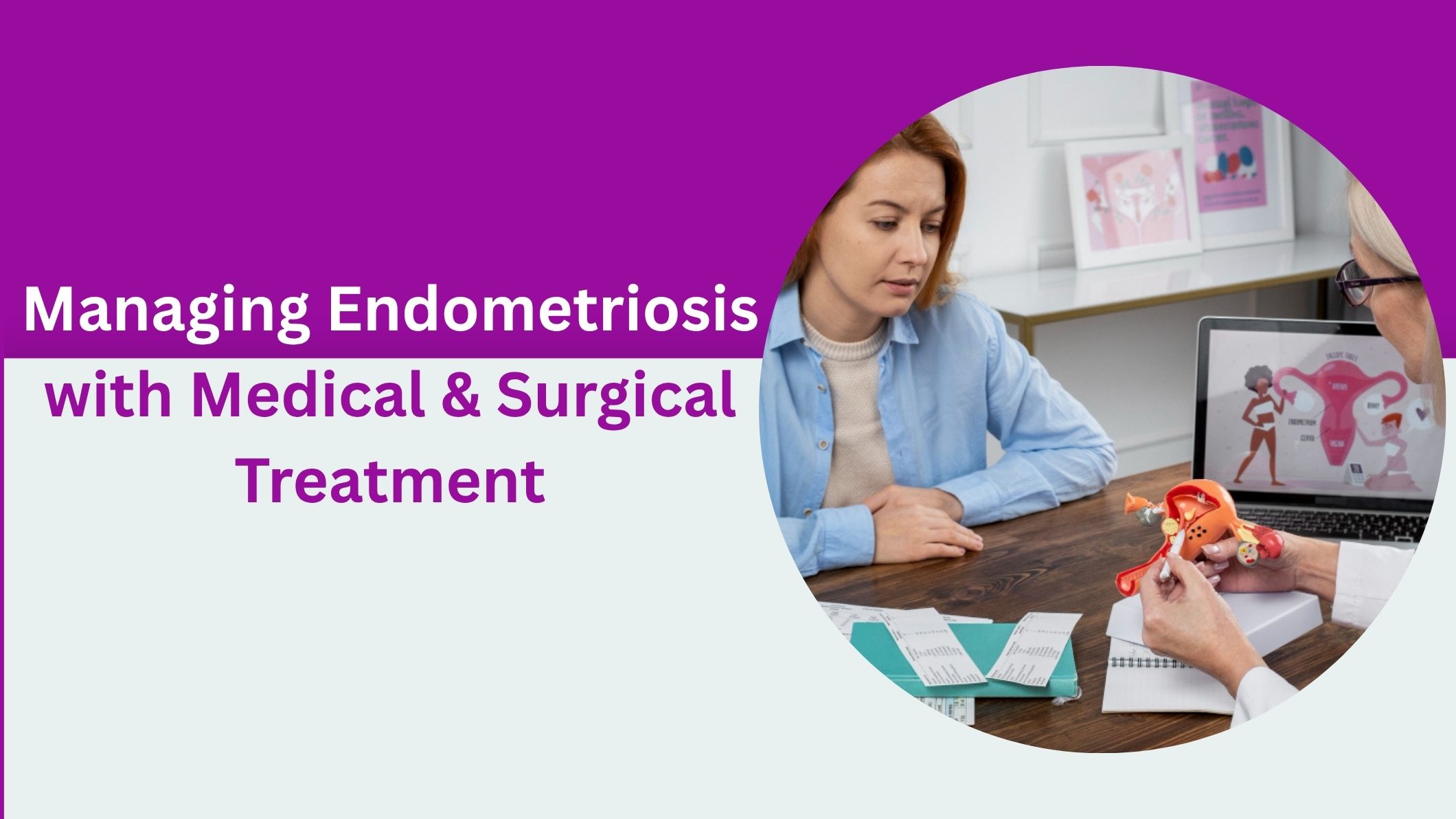
Endometriosis is a chronic gynecological condition that affects millions of women worldwide, often causing severe pelvic pain, painful periods, infertility, and a significant impact on daily life. It occurs when tissue similar to the lining of the uterus grows outside the uterus, affecting organs such as the ovaries, fallopian tubes, bladder, and intestines. Although there is no permanent cure for endometriosis, timely diagnosis and appropriate medical or surgical treatment can effectively manage symptoms and improve quality of life. Understanding the available treatment options empowers women to make informed decisions about their reproductive health.
Understanding Endometriosis
Endometriosis develops when endometrial-like tissue grows outside the uterus and responds to hormonal changes during the menstrual cycle. This tissue thickens, breaks down, and bleeds just like the uterine lining but has no way to leave the body. Over time, this can lead to inflammation, scar tissue, adhesions, and cyst formation, resulting in chronic pain and fertility challenges.
Common symptoms include:
- Painful menstrual cramps
- Chronic pelvic pain
- Pain during or after intercourse
- Painful bowel movements or urination during menstruation
- Heavy menstrual bleeding
- Difficulty conceiving
- Fatigue and digestive discomfort
Medical Treatment for Endometriosis
Medical management is often the first line of treatment, especially for women experiencing mild to moderate symptoms or those who are not immediately planning pregnancy. The primary goal is to reduce pain, slow disease progression, and improve daily comfort.
Pain Management
Nonsteroidal anti-inflammatory drugs (NSAIDs) are commonly prescribed to relieve menstrual cramps and pelvic pain. These medications help reduce inflammation and provide symptomatic relief, although they do not treat the underlying disease.
Hormonal Therapy
Hormonal medications help suppress the hormonal stimulation that causes endometrial tissue to grow. Common treatment options include:
- Birth control pills
- Progestin therapy
- Hormonal intrauterine devices (IUDs)
- Gonadotropin-releasing hormone (GnRH) agonists and antagonists
- Aromatase inhibitors in selected cases
These treatments often reduce menstrual bleeding, minimize pain, and slow the progression of endometriosis. However, hormonal therapy is not suitable for women actively trying to conceive.
When Is Surgery Recommended
Surgery may be recommended when medications fail to control symptoms, ovarian cysts develop, fertility is affected, or severe endometriosis significantly impacts quality of life. Surgical treatment focuses on removing or destroying endometrial implants while preserving healthy reproductive organs whenever possible.
Laparoscopic Surgery
Laparoscopic surgery is considered the gold standard for diagnosing and treating endometriosis. This minimally invasive procedure uses small incisions and specialized instruments to remove endometrial tissue, scar tissue, and adhesions. Benefits include:
- Smaller incisions
- Less postoperative pain
- Shorter hospital stay
- Faster recovery
- Improved fertility outcomes in many cases
Women with moderate to severe endometriosis often experience significant pain relief following laparoscopic surgery.
Advanced Surgical Treatment
For extensive disease involving the bowel, bladder, or other pelvic organs, advanced laparoscopic surgery performed by an experienced gynecologic surgeon may be necessary. In severe cases where childbearing is complete and symptoms remain uncontrolled, hysterectomy with or without removal of the ovaries may be considered after careful evaluation.
Managing Fertility with Endometriosis
Endometriosis can make conception more challenging, but many women successfully achieve pregnancy with appropriate treatment. Depending on age, disease severity, and reproductive goals, fertility-preserving surgery, ovulation induction, intrauterine insemination (IUI), or in vitro fertilization (IVF) may be recommended. Early consultation with a fertility specialist can improve pregnancy outcomes.
Lifestyle Changes That Support Treatment
Medical and surgical treatments work best when combined with healthy lifestyle habits. Women with endometriosis may benefit from:
- Maintaining a balanced anti-inflammatory diet
- Regular low-impact exercise
- Stress management through yoga or meditation
- Adequate sleep and hydration
- Routine follow-up with a gynecologist
These lifestyle measures cannot cure endometriosis but may help reduce inflammation, improve overall wellbeing, and enhance treatment outcomes.
When to Consult a Specialist
If you experience severe menstrual pain, persistent pelvic discomfort, painful intercourse, or difficulty becoming pregnant, do not ignore these symptoms. Early diagnosis and timely treatment can prevent disease progression, reduce complications, and significantly improve quality of life. A comprehensive evaluation allows your doctor to recommend the most suitable treatment plan based on your symptoms, age, and future pregnancy plans.
Conclusion
Managing endometriosis requires a personalized approach that may include medication, minimally invasive surgery, fertility care, and healthy lifestyle modifications. With advances in medical technology and specialized laparoscopic techniques, women today have more effective treatment options than ever before. Seeking expert care at the right time can help control symptoms, protect fertility, and restore confidence in everyday life.
Dr. Preeti Tandon offers comprehensive diagnosis, advanced medical and surgical treatment, and compassionate healthcare focused on women's reproductive health, overall wellness, and long-term quality of life for patients living with endometriosis.