



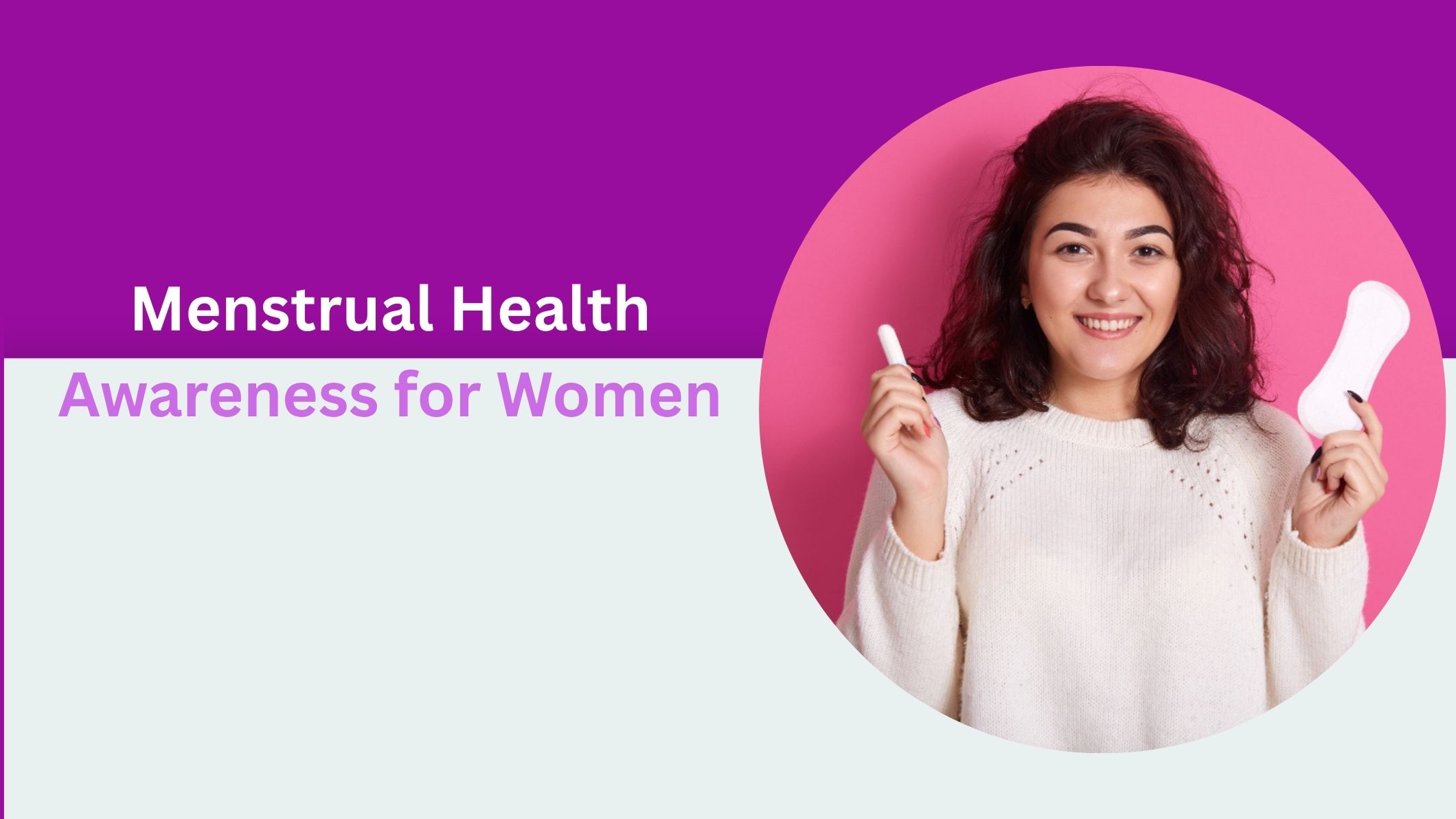
Menstrual health is an essential part of every woman's overall well-being, yet it is often surrounded by myths, misinformation, and unnecessary stigma. A healthy menstrual cycle is an important indicator of reproductive and hormonal health. Understanding your menstrual cycle, maintaining proper hygiene, and recognizing when something is unusual can help prevent complications and improve your quality of life. Raising awareness about menstrual health empowers women to take better care of themselves and seek timely medical advice whenever needed.
Why Menstrual Health Matters
A regular menstrual cycle reflects the proper functioning of hormones and reproductive organs. Menstrual health is not only about managing periods but also about understanding the changes your body experiences every month. Irregular periods, excessive bleeding, severe cramps, or missed periods may indicate underlying health conditions that require medical attention. By being aware of these signs, women can receive early diagnosis and appropriate treatment, reducing the risk of long-term complications.
Understanding a Normal Menstrual Cycle
A normal menstrual cycle usually lasts between 21 and 35 days, with menstrual bleeding lasting about 3 to 7 days. However, every woman is different, and slight variations are common. During the cycle, hormone levels fluctuate to prepare the body for a possible pregnancy. If pregnancy does not occur, the uterine lining sheds, resulting in menstruation. Tracking your cycle helps identify patterns and detect any abnormalities early.
Common Menstrual Symptoms
Many women experience mild symptoms before or during their periods. These may include abdominal cramps, bloating, breast tenderness, fatigue, headaches, mood swings, and lower back pain. While these symptoms are considered normal, severe pain or symptoms that interfere with daily activities should not be ignored and should be evaluated by a healthcare professional.
Maintaining Good Menstrual Hygiene
Proper menstrual hygiene is crucial for preventing infections and ensuring comfort during menstruation. Women should change sanitary pads, tampons, or menstrual cups regularly according to the manufacturer's recommendations. Washing hands before and after changing menstrual products is equally important. Wearing clean, breathable cotton underwear and maintaining good personal hygiene can significantly reduce the risk of bacterial or fungal infections.
Nutrition and Lifestyle During Menstruation
A balanced diet and healthy lifestyle play an important role in supporting menstrual health. Iron-rich foods such as spinach, lentils, beans, and lean meats help replenish iron lost during menstruation. Staying hydrated, exercising regularly, and getting enough sleep can also reduce menstrual discomfort. Foods rich in calcium, magnesium, and omega-3 fatty acids may help relieve cramps and improve overall well-being during the menstrual cycle.
When Should You See a Doctor
While some discomfort during menstruation is common, certain symptoms should never be ignored. Seek medical attention if you experience extremely heavy bleeding, periods lasting longer than seven days, severe pelvic pain, irregular cycles, bleeding between periods, or the absence of periods without pregnancy. These symptoms may be associated with conditions such as polycystic ovary syndrome (PCOS), endometriosis, uterine fibroids, thyroid disorders, or hormonal imbalances.
Breaking the Stigma Around Menstruation
Menstruation is a natural biological process, yet many women continue to face social stigma and misinformation. Open conversations about menstrual health help educate young girls, encourage better hygiene practices, and promote timely medical care. Schools, families, workplaces, and communities all play an important role in creating an environment where women can discuss menstrual health without embarrassment or fear.
Conclusion
Menstrual health awareness is essential for maintaining both reproductive and overall health. By understanding your menstrual cycle, practicing proper hygiene, following a healthy lifestyle, and recognizing warning signs early, you can take better control of your health and well-being. Regular gynecological check-ups also help identify potential concerns before they become serious.
Preeti Tandon provides comprehensive women's healthcare, including expert consultation for menstrual disorders, irregular periods, hormonal imbalances, PCOS, menopause, and other gynecological concerns. If you are experiencing menstrual health issues or need personalized guidance, Dr. Preeti Tandon offers compassionate, evidence-based care to help women achieve better reproductive health and overall wellness.