



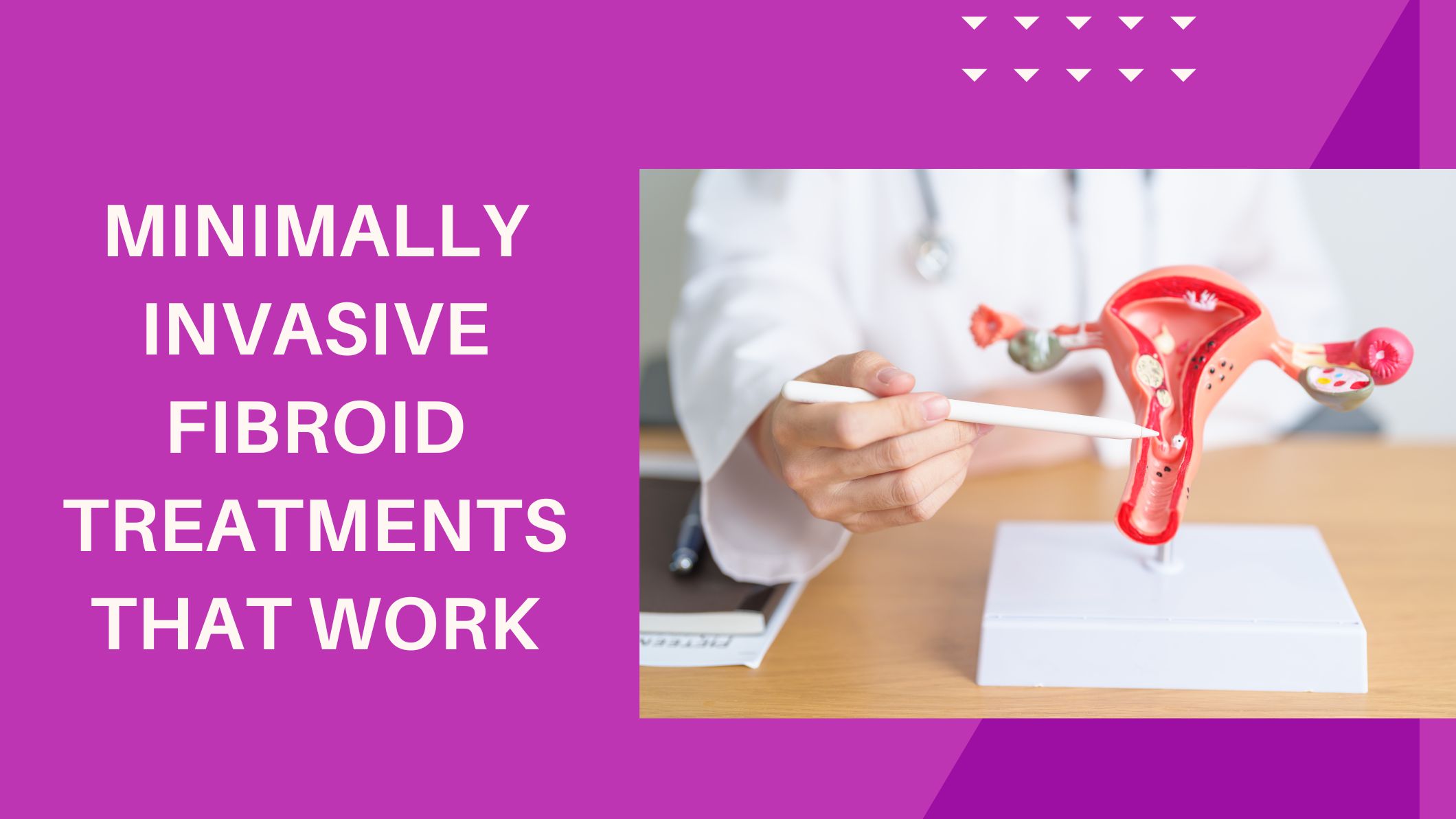
Uterine fibroids are a common concern among women, especially those in their reproductive years. While many fibroids remain harmless, others may cause symptoms such as heavy bleeding, pelvic pain, frequent urination, or fertility-related issues. Thankfully, modern medicine offers several minimally invasive fibroid treatments that provide effective relief without the risks and long recovery associated with traditional surgery. These advanced techniques not only target fibroids precisely but also help women return to their daily activities much faster.
Understanding Minimally Invasive Fibroid Treatments
Minimally invasive fibroid treatments are medical procedures designed to remove or shrink fibroids without large incisions. These methods aim to preserve the uterus whenever possible, reduce complications, and shorten recovery time. They are ideal for women who want safer, faster, and more comfortable treatment options. With the latest medical technologies, patients can now experience relief with little pain and significantly reduced downtime.
1. Uterine Artery Embolization (UAE)
Uterine Artery Embolization is a highly effective technique that blocks the blood supply to fibroids, causing them to shrink naturally over time. This procedure is done using a catheter inserted through a small incision in the groin or wrist. Tiny particles are injected into the uterine arteries to stop blood flow to the fibroids. UAE is known for its excellent success rate and minimal discomfort.
The primary benefits of UAE include rapid recovery, reduced bleeding, minimal scarring, and preservation of the uterus. Many women notice improvement in symptoms within weeks, making it one of the most preferred minimally invasive treatments.
2. Laparoscopic Myomectomy
Laparoscopic Myomectomy involves removing fibroids through small cuts in the abdomen using a laparoscope—a thin tube with a camera. This method is ideal for women who want to remove fibroids but preserve their fertility. Surgeons use precise tools to cut and extract fibroids without affecting the healthy uterine tissue.
This procedure has several advantages, such as reduced blood loss, less pain, and quick healing. Patients generally return to their normal routine within one to two weeks. It is especially recommended for women with a small number of medium-sized fibroids.
3. Hysteroscopic Myomectomy
Hysteroscopic Myomectomy is one of the least invasive fibroid treatments, performed without any external incisions. A hysteroscope is inserted through the vagina into the uterus, allowing the doctor to remove fibroids growing inside the uterine cavity. This is a perfect procedure for treating submucosal fibroids, which often cause heavy menstrual bleeding.
Since it is a no-cut procedure, recovery is almost immediate, and most patients return home the same day. It provides exceptional results for improving fertility and reducing bleeding-related symptoms.
Why Choose Minimally Invasive Treatments
Minimally invasive fibroid treatments come with numerous advantages: shorter hospital stays, reduced pain, minimal scarring, less risk of infection, and faster recovery. These techniques also ensure that women can maintain their reproductive health. With advancements in technology, specialists can now customize treatment based on the size, location, and number of fibroids, ensuring optimal outcomes.
Conclusion
Minimally invasive fibroid treatments have transformed the way women manage uterine fibroids. With faster healing, fewer complications, and excellent long-term results, these procedures offer a safe and effective alternative to traditional surgery. Whether it's Uterine Artery Embolization, Laparoscopic Myomectomy, or Hysteroscopic Myomectomy, each option provides reliable relief depending on individual needs.
Dr. Preeti Tandon provides the best, most advanced, and patient-centered minimally invasive fibroid treatments, ensuring comfort, safety, and long-lasting results.