



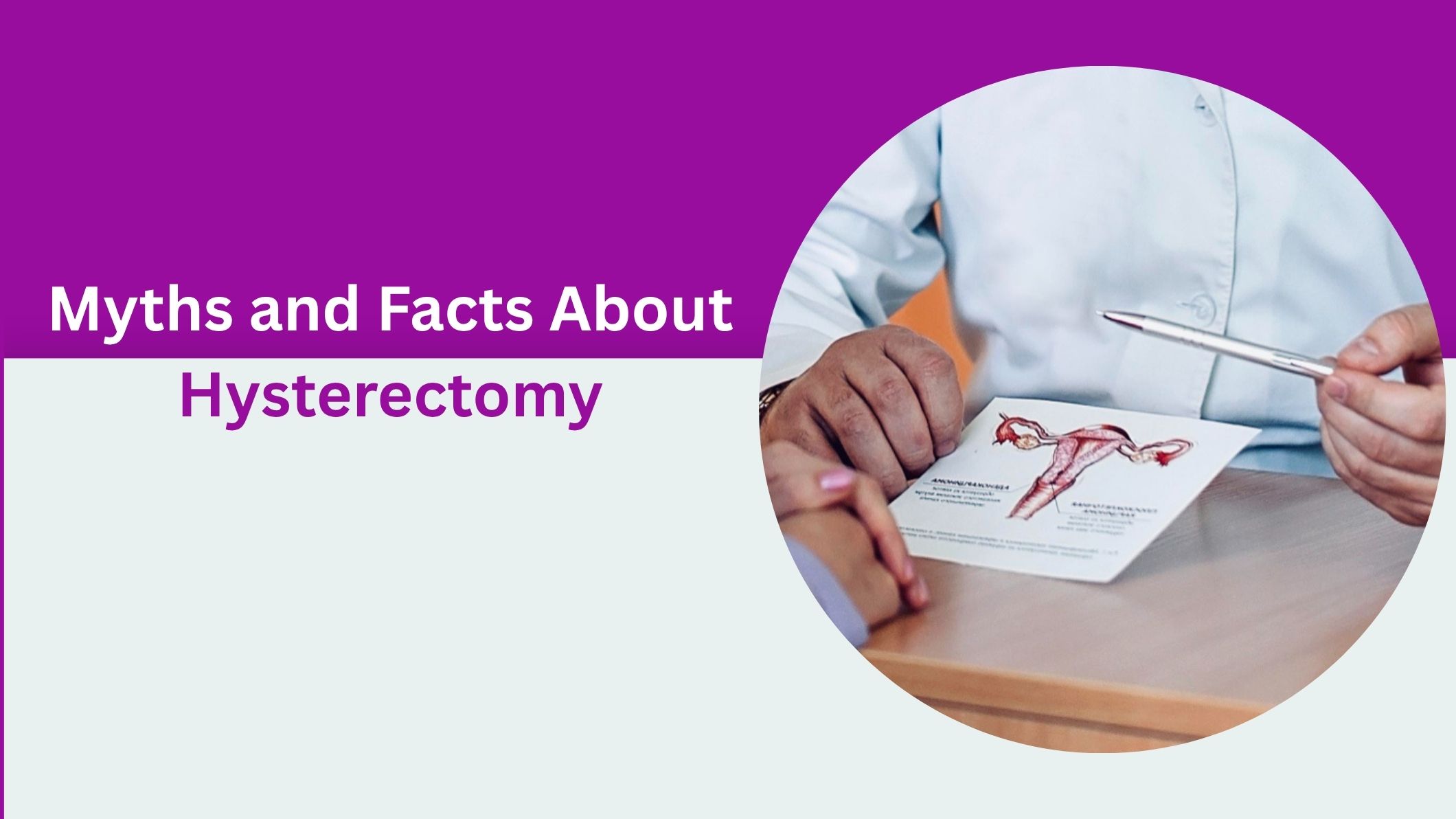
Hysterectomy is a common gynecological procedure in which the uterus is surgically removed. Depending on a woman's medical condition and treatment needs, the procedure may also involve removal of the cervix, fallopian tubes, or ovaries. Although hysterectomy can provide effective treatment for several gynecological conditions, many women have concerns about the procedure because of common myths and misconceptions. Understanding the facts can help women make informed decisions about their health and treatment options.
Myth 1: Hysterectomy Is Always a Major and Complicated Surgery
Fact: Different Surgical Approaches Are Available
Hysterectomy can be performed using different techniques depending on the patient's condition, the size of the uterus, previous surgeries, and other medical factors. These may include abdominal, vaginal, laparoscopic, or robotic-assisted approaches. Minimally invasive procedures may involve smaller incisions and can offer benefits such as less postoperative discomfort and a shorter recovery period for suitable patients.
Myth 2: Hysterectomy Always Means Removing the Ovaries
Fact: The Ovaries May Be Preserved
A hysterectomy involves removal of the uterus, but the ovaries do not necessarily need to be removed. In many women, particularly those who have not reached menopause, the ovaries may be preserved when medically appropriate. Keeping functioning ovaries can allow the body to continue producing hormones. Removal of the ovaries, known as oophorectomy, is a separate decision that may be recommended in specific circumstances.
Myth 3: Hysterectomy Immediately Causes Menopause
Fact: Menopause Depends on Whether the Ovaries Are Removed
If the ovaries are removed during hysterectomy, a woman may experience surgical menopause because ovarian hormone production decreases significantly. However, if the ovaries remain intact, hysterectomy itself does not usually cause immediate menopause. A woman will no longer have menstrual periods because the uterus has been removed, but ovarian hormone production may continue until natural menopause occurs.
Myth 4: Hysterectomy Is the Only Treatment for Fibroids
Fact: Treatment Options Depend on Individual Needs
Hysterectomy can be an effective permanent treatment for uterine fibroids, but it is not necessarily the only option. Depending on the size, number, and location of fibroids and a woman's symptoms and fertility plans, other treatments may be considered. These can include medication, myomectomy, uterine artery embolization, or other minimally invasive approaches. A gynecologist can help determine which option is most appropriate.
Myth 5: You Cannot Have a Normal Life After Hysterectomy
Fact: Many Women Resume Their Normal Activities
Recovery varies from person to person and depends on the surgical technique and overall health. After recovery, many women return to their usual daily activities, work, exercise, and social life. In fact, women who previously experienced heavy bleeding, pelvic pain, or pressure may experience an improved quality of life after successful treatment.
Myth 6: Hysterectomy Is Always Recommended for Heavy Periods
Fact: The Underlying Cause Should Be Evaluated First
Heavy menstrual bleeding can have several causes, including fibroids, adenomyosis, hormonal changes, polyps, and other gynecological conditions. Hysterectomy may be considered when other treatments are unsuccessful or when a permanent solution is appropriate, but doctors generally evaluate the underlying cause and discuss available alternatives before recommending surgery.
Understanding Your Hysterectomy Options
Every woman's medical situation is different. The decision to undergo hysterectomy should consider the underlying condition, symptoms, age, general health, fertility plans, and personal preferences. A detailed consultation with a qualified gynecologist can help explain the benefits, risks, recovery expectations, and available alternatives.
Women should feel comfortable asking questions before making a decision. Understanding why hysterectomy is being recommended and which surgical approach is appropriate can make the treatment journey less stressful and more informed.
Conclusion
Hysterectomy is an established treatment for several gynecological conditions, but many misconceptions surround the procedure. It does not automatically require removal of the ovaries, does not always cause immediate menopause, and is not necessarily the only health treatment for conditions such as fibroids or heavy menstrual bleeding. With appropriate evaluation and individualized care, women can choose a treatment approach that best supports their health and quality of life.
Dr. Preeti Tandon offers the best healthcare regarding hysterectomy, gynecological conditions, and women's health.