



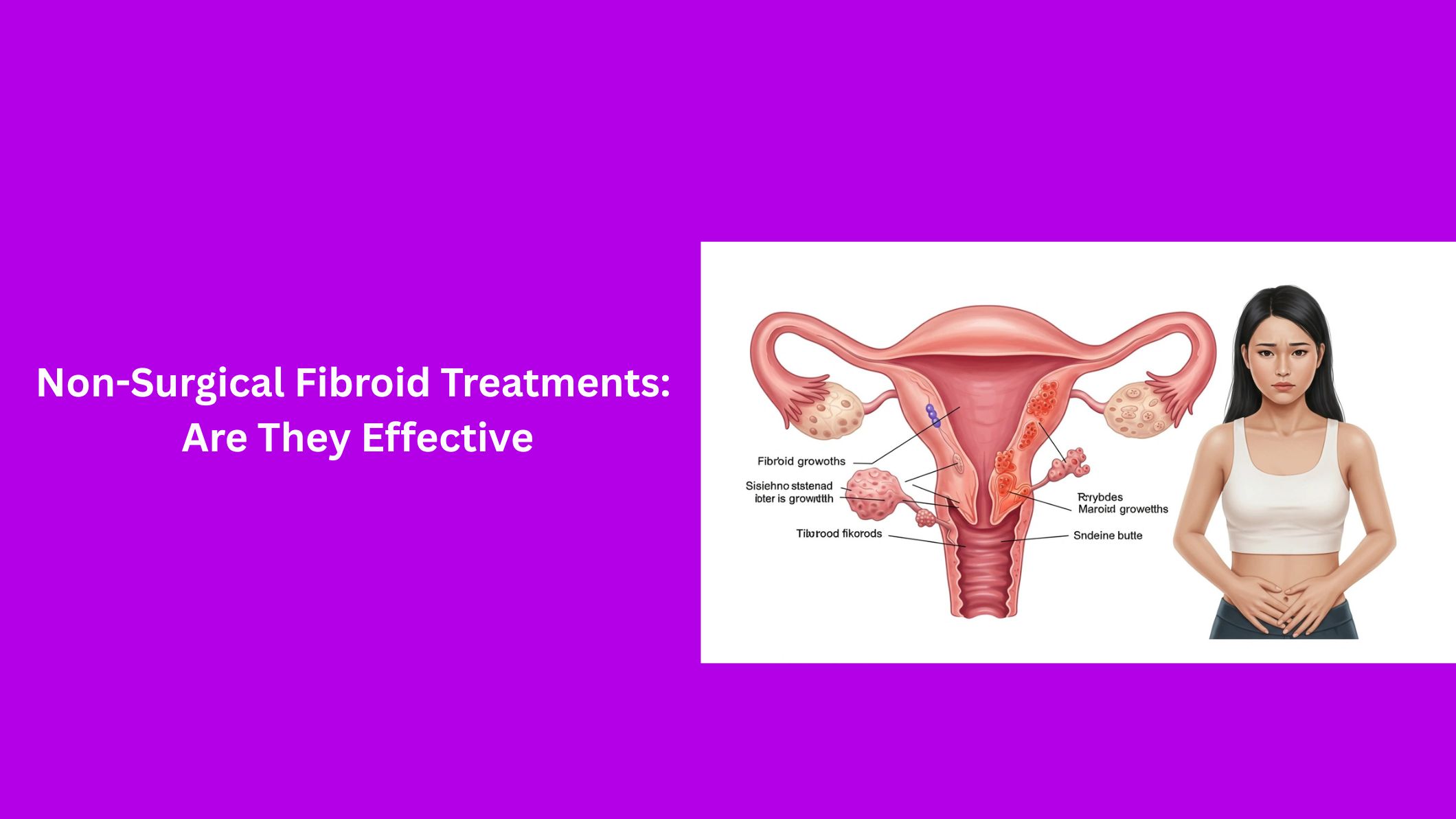
Uterine fibroids are a common health concern for many women, especially during their reproductive years. While surgery has traditionally been a go-to option, advances in medical science now offer several non-surgical fibroid treatments. These options are particularly appealing to women who want to preserve their uterus, avoid long recovery times, or are not ideal candidates for surgery. But the big question remains: are non-surgical fibroid treatments truly effective?
Understanding Uterine Fibroids
Fibroids are non-cancerous growths that develop in or around the uterus. They vary in size, number, and location, and symptoms can range from mild to severe. Some women experience heavy menstrual bleeding, pelvic pain, frequent urination, or fertility issues, while others may have no symptoms at all.
What Are Non-Surgical Fibroid Treatments
Non-surgical treatments aim to manage fibroid symptoms or shrink fibroids without invasive procedures. These options are often chosen based on the severity of symptoms, size and location of fibroids, age, and future fertility plans.
Medications for Fibroid Management
Medications are often the first line of non-surgical treatment. Hormonal therapies such as gonadotropin-releasing hormone (GnRH) agonists can temporarily shrink fibroids and reduce heavy bleeding. Other medications like oral contraceptives or progesterone-releasing intrauterine devices (IUDs) help control symptoms but do not eliminate fibroids.
While medications can be effective for symptom relief, their benefits are usually temporary. Fibroids may regrow once treatment stops, making medications more suitable for short-term management or pre-surgical preparation.
Uterine Artery Embolization (UAE)
Uterine Artery Embolization is a minimally invasive procedure performed by an interventional radiologist. It works by blocking the blood supply to fibroids, causing them to shrink over time. Many women experience significant symptom improvement within months.
UAE is considered effective for reducing heavy bleeding and pelvic pain. However, it may not be recommended for women planning future pregnancies, as its impact on fertility is still under study.
Focused Ultrasound Therapy
MRI-guided focused ultrasound surgery (FUS) is a non-invasive treatment that uses high-intensity ultrasound waves to destroy fibroid tissue. This procedure does not require incisions and allows patients to return to normal activities quickly.
Focused ultrasound can be effective for selected patients, especially those with fewer and well-located fibroids. However, it may not be suitable for all types of fibroids, and repeat treatments may sometimes be necessary.
Are Non-Surgical Treatments Effective
Non-surgical fibroid treatments can be highly effective for symptom control and improving quality of life. Many women report reduced bleeding, less pain, and better daily functioning. However, effectiveness varies depending on the treatment type, individual health factors, and long-term goals.
It’s important to understand that while these treatments manage symptoms and may shrink fibroids, they may not completely eliminate them. Regular follow-up and personalized treatment planning are key to long-term success.
Choosing the Right Treatment
The Best Fibroid Treatment option depends on a thorough evaluation by an experienced gynecologist. Factors such as age, symptom severity, fibroid characteristics, and fertility plans must all be considered. A tailored approach ensures both safety and effectiveness.
Dr Preeti Tandon Clinic provides the best services regarding fibroid care, offering expert guidance and advanced non-surgical treatment options to help women make informed and confident decisions about their health.