



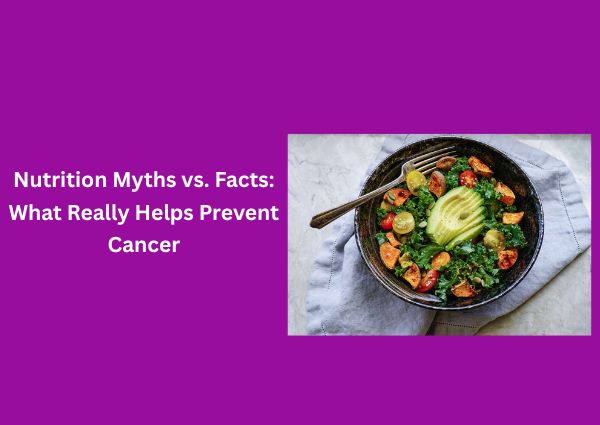
When it comes to cancer prevention, nutrition is often surrounded by confusion, myths, and misleading advice. From miracle foods to extreme dietary restrictions, many claims promise protection against cancer without solid scientific evidence. While no diet can guarantee complete cancer prevention, research clearly shows that healthy eating habits can significantly reduce risk. Understanding nutrition myths versus facts empowers individuals to make informed, practical, and sustainable lifestyle choices.
Common Nutrition Myths About Cancer Prevention
Myth 1: Superfoods Alone Can Prevent Cancer
Superfoods such as blueberries, turmeric, green tea, and broccoli are often promoted as cancer-fighting solutions. While these foods are rich in antioxidants and beneficial nutrients, relying on a single food or group of foods is not enough. Cancer prevention depends on overall dietary patterns, physical activity, genetics, and environmental factors, not one miracle ingredient.
Myth 2: Eliminating Sugar Will Stop Cancer
A popular belief is that sugar feeds cancer cells and must be completely avoided. In reality, all cells in the body require glucose for energy, including healthy ones. Excessive sugar intake can contribute to obesity and inflammation, which may increase cancer risk, but completely eliminating sugar does not prevent cancer. Moderation is far more effective than extreme restriction.
Myth 3: Supplements Are Better Than Natural Foods
Many people believe that vitamin and antioxidant supplements provide stronger cancer protection than food. However, high-dose supplements may not offer the same benefits and can sometimes cause harm. Whole foods contain a complex combination of nutrients, fiber, and bioactive compounds that work together more effectively than isolated supplements.
Nutrition Facts That Support Cancer Prevention
Fact 1: A Plant-Based Diet Reduces Cancer Risk
Diets rich in fruits, vegetables, whole grains, legumes, nuts, and seeds are strongly associated with a lower risk of several cancers. These foods provide antioxidants, fiber, and phytochemicals that protect cells from damage, support immunity, and reduce chronic inflammation.
Fact 2: Fiber Plays a Protective Role
Dietary fiber is especially important for digestive health and is linked to a lower risk of colorectal cancer. Fiber improves gut health, supports healthy digestion, and helps regulate blood sugar levels. Whole grains, fruits, vegetables, and pulses are excellent sources of fiber.
Fact 3: Healthy Fats Are Beneficial
Not all fats are harmful. Healthy fats such as omega-3 fatty acids found in fish, walnuts, flaxseeds, and olive oil help reduce inflammation in the body. Chronic inflammation has been linked to cancer development, making healthy fats an important part of a preventive diet.
Lifestyle Habits That Work Alongside Nutrition
Maintain a Healthy Body Weight
Being overweight or obese increases the risk of several cancers, including breast, colorectal, and endometrial cancers. Balanced nutrition combined with regular physical activity plays a crucial role in maintaining a healthy weight.
Limit Processed Foods and Alcohol
Highly processed foods, processed meats, and excessive alcohol consumption are linked to increased cancer risk. Reducing intake and choosing fresh, whole foods helps support long-term health and disease prevention.
The Importance of Medical Guidance in Cancer Prevention
While nutrition is a powerful tool, cancer prevention should always be personalized. Factors such as age, family history, hormonal balance, and existing medical conditions influence individual risk. Consulting experienced healthcare professionals ensures that dietary and lifestyle recommendations are safe, practical, and effective.
For comprehensive preventive care, expert guidance, and patient-focused treatment, Dr Preeti Tandon Clinic provide best Services regarding this, offering trusted medical support that emphasizes nutrition, early detection, and overall women’s health.