



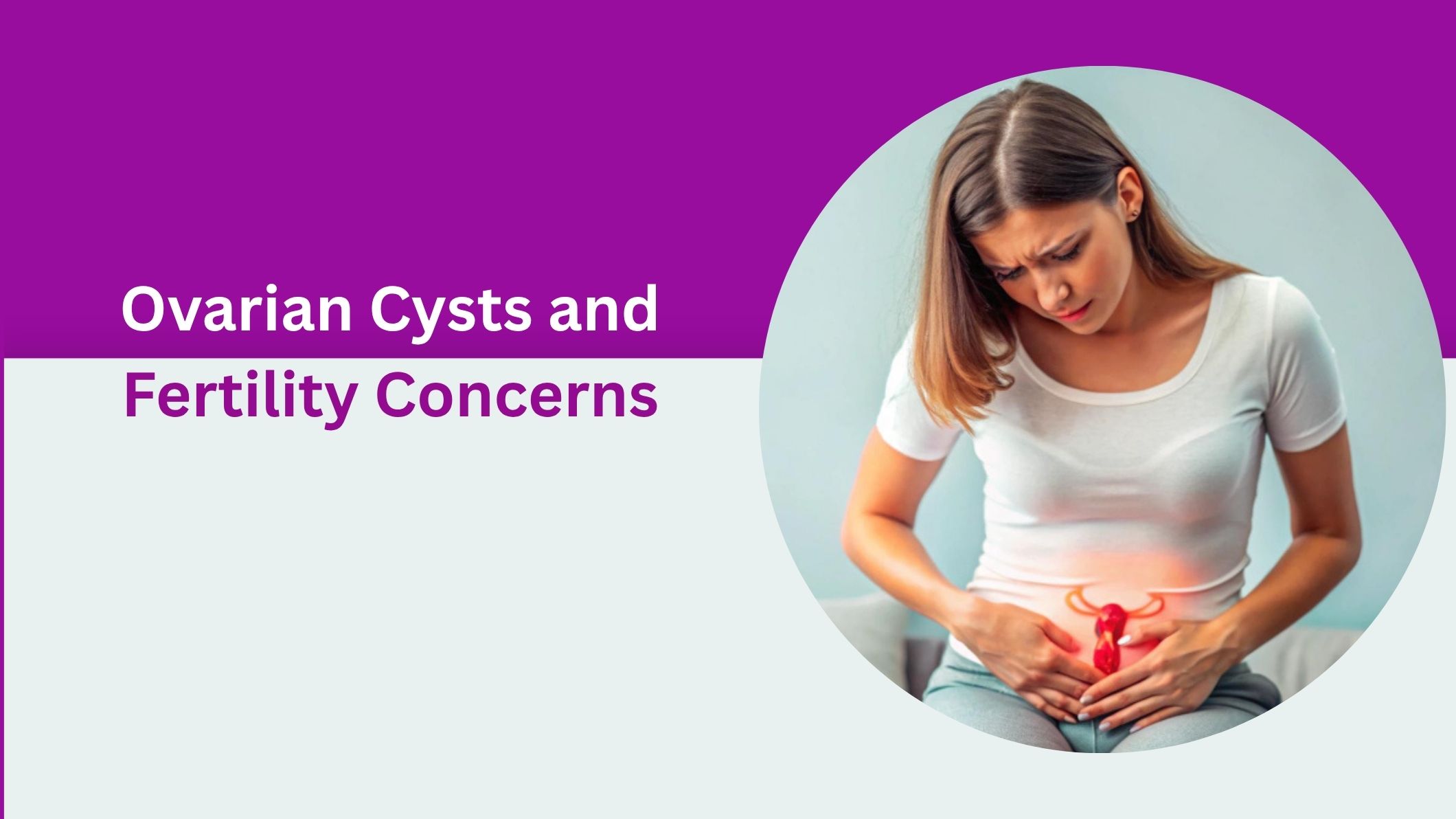
Ovarian cysts are fluid-filled sacs that develop on or inside the ovaries. They are relatively common, particularly during the reproductive years, and many ovarian cysts are harmless and disappear naturally without treatment. However, when women are planning a pregnancy, the presence of ovarian cysts can sometimes raise concerns about fertility. Understanding the different types of cysts, their possible effects on reproductive health, and when medical evaluation is necessary can help women make informed decisions about their care.
What Are Ovarian Cysts
Ovarian cysts can develop for several reasons. Functional cysts are among the most common and usually occur as part of the normal menstrual cycle. They often resolve on their own within a few weeks. Other types, including endometriomas, dermoid cysts, and cysts associated with conditions such as polycystic ovary syndrome (PCOS), may require closer monitoring.
The effect of an ovarian cyst on fertility depends largely on its type, size, location, and underlying cause. Having a cyst does not automatically mean that a woman will have difficulty becoming pregnant.
Can Ovarian Cysts Affect Fertility
Many ovarian cysts do not interfere with fertility. Functional cysts, for example, generally do not prevent ovulation and typically disappear without affecting a woman's ability to conceive. However, certain conditions associated with ovarian cysts may have an impact on fertility.
Endometriomas
Endometriomas are cysts associated with endometriosis. Endometriosis can affect the reproductive organs and may contribute to inflammation, scarring, and changes around the ovaries and fallopian tubes. These factors can sometimes make conception more difficult.
PCOS and Ovarian Cysts
PCOS is a hormonal condition that can affect ovulation. Although the ovaries may contain multiple small follicles, these are not the same as typical ovarian cysts. Irregular or absent ovulation associated with PCOS can make it more challenging to conceive, but appropriate treatment and fertility management can improve the chances of pregnancy for many women.
Symptoms to Watch For
Many ovarian cysts cause no symptoms and are discovered during a routine pelvic examination or ultrasound. When symptoms occur, they may include pelvic pain, abdominal pressure or bloating, painful periods, pain during intercourse, or changes in the menstrual cycle.
Sudden and severe pelvic or abdominal pain, particularly when accompanied by nausea, vomiting, dizziness, or weakness, requires prompt medical attention because complications such as ovarian torsion or cyst rupture may occur.
Diagnosis and Treatment
If an ovarian cyst is suspected, a healthcare professional may recommend a pelvic ultrasound to assess its size, appearance, and location. Depending on the findings, age, symptoms, and fertility goals, the doctor may recommend observation and follow-up scans or additional investigations.
Treatment is not always necessary. Small, simple cysts may disappear naturally and can often be monitored. If a cyst is large, persistent, painful, suspicious in appearance, or associated with an underlying condition affecting fertility, treatment may be considered. In some cases, minimally invasive surgery may be recommended. Treatment decisions should always take a woman's reproductive plans into account.
When Should You Consult a Specialist
Women who have persistent ovarian cysts, irregular periods, unexplained pelvic pain, a history of endometriosis, or concerns about conception should consider consulting a gynecologist. Early evaluation can help identify the underlying cause and provide an individualized treatment plan.
It is also important to remember that an ovarian cyst alone does not necessarily indicate infertility. With appropriate diagnosis, monitoring, and treatment when required, many women with ovarian cysts can achieve a healthy pregnancy.
Conclusion
Ovarian cysts are common and, in many cases, do not affect fertility. However, certain types of cysts and underlying reproductive conditions can influence ovulation or the health of the reproductive organs. Regular gynecological care, timely diagnosis, and personalized treatment are important for protecting reproductive health and addressing fertility concerns.
Dr. Preeti Tandon offers the best healthcare regarding ovarian cysts, fertility concerns, and women's reproductive health.