



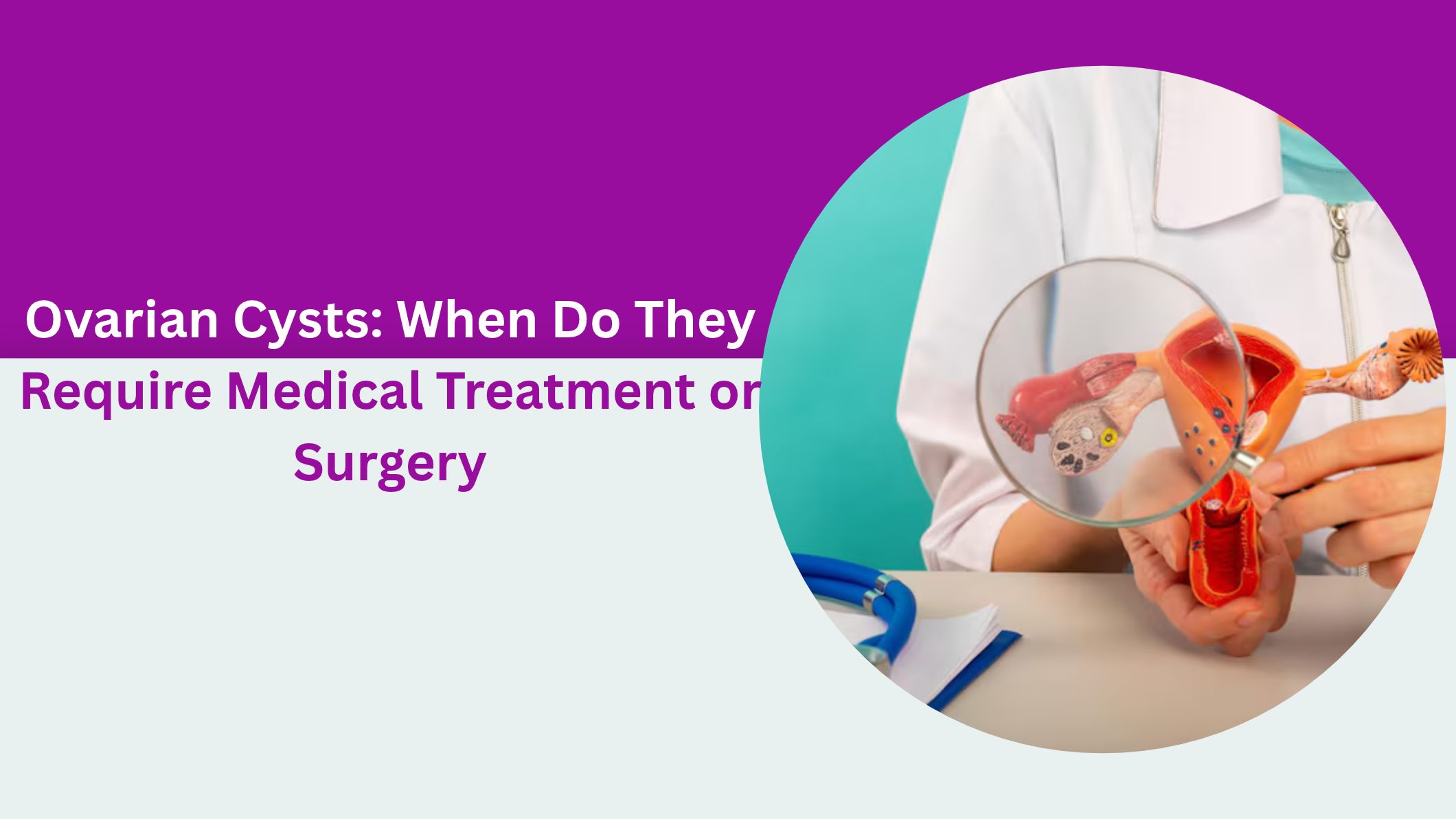
Ovarian cysts are fluid-filled sacs that develop inside or on the surface of the ovaries. They are relatively common among women of reproductive age and often develop as part of the normal menstrual cycle. Most ovarian cysts are harmless and disappear naturally without requiring medical treatment. However, some cysts may grow larger, cause persistent symptoms, or lead to complications that require medical attention.
Understanding the types of ovarian cysts, their symptoms, and available treatment options can help women recognise when medical evaluation is necessary. While observation is sufficient in many cases, certain situations may require medication or surgical intervention. Early diagnosis and appropriate medical guidance play an important role in protecting reproductive and overall health.
What Are Ovarian Cysts and What Causes Them
Ovarian cysts are sacs filled with fluid or, in some cases, other material that form in or around the ovaries. They can develop during different stages of a woman's reproductive life. Most ovarian cysts are functional cysts, meaning they develop as part of the normal menstrual cycle and generally resolve without treatment.
Common Types and Causes of Ovarian Cysts
Several types of ovarian cysts may develop due to hormonal changes, ovulation-related processes, or other medical conditions, including:
- Follicular Cysts: These develop when a follicle does not release an egg during ovulation and continues to grow. They usually disappear naturally within a few menstrual cycles.
- Corpus Luteum Cysts: These form after the release of an egg when the follicle fails to shrink normally and fills with fluid or blood.
- Dermoid Cysts: Also known as mature cystic teratomas, these are usually benign growths that may contain tissues such as hair, skin, or fat.
- Endometriomas: These cysts develop due to endometriosis and may contain thick, dark blood. They are sometimes called chocolate cysts.
- Cystadenomas: These develop from ovarian surface cells and may contain watery or mucus-like fluid. Some can grow quite large.
- Polycystic Ovary Syndrome (PCOS): This hormonal condition involves multiple small follicles in the ovaries, along with other features such as irregular periods and hormonal imbalance. It is different from having an isolated ovarian cyst.
Hormonal fluctuations, endometriosis, pregnancy, and certain reproductive health conditions may contribute to the development of ovarian cysts. Identifying the type of cyst helps doctors determine whether observation, further investigation, or treatment is required.
Symptoms and Warning Signs: When Should You Be Concerned
Many ovarian cysts do not cause noticeable symptoms and are discovered incidentally during routine pelvic examinations or ultrasound scans. However, larger cysts or certain types of cysts may produce discomfort and affect daily activities. Symptoms can vary depending on the cyst's size, location, and associated complications.
Common Symptoms of Ovarian Cysts
Women with symptomatic ovarian cysts may experience the following signs:
- Persistent or occasional pain in the lower abdomen or pelvic region.
- A feeling of heaviness, pressure, or fullness in the lower abdomen.
- Abdominal bloating or swelling.
- Pain during sexual intercourse.
- Irregular menstrual periods or changes in menstrual bleeding.
- Frequent urination due to pressure on the bladder.
- Difficulty passing stools or discomfort during bowel movements.
- Lower back pain or discomfort in the pelvic area.
Sudden, severe pelvic or abdominal pain, especially when accompanied by vomiting, fever, dizziness, fainting, or weakness, requires immediate medical assessment. These symptoms may indicate ovarian torsion, where the ovary twists and its blood supply is reduced, or a ruptured cyst that may cause internal bleeding.
When Do Ovarian Cysts Require Medical Treatment or Surgery
Not every ovarian cyst requires medical intervention. Small, simple functional cysts often disappear naturally and may only need follow-up ultrasound examinations. However, treatment may be recommended in certain situations, such as:
- Large Cysts: Cysts that continue to grow or become significantly large may require further evaluation and possible removal.
- Persistent Cysts: Cysts that remain present over several menstrual cycles or do not resolve naturally may need additional investigation.
- Severe Symptoms: Persistent pelvic pain, abdominal pressure, or discomfort affecting daily activities may require medical management.
- Suspected Endometriomas: Cysts associated with endometriosis may require treatment depending on symptoms, fertility plans, and ovarian health.
- Suspicious Ultrasound Findings: Cysts with solid components, irregular structures, or other concerning features may require further testing to assess the possibility of ovarian cancer.
- Complications: Ovarian torsion or significant bleeding from a ruptured cyst may require emergency treatment or surgery.
Age and menopausal status are also important considerations. Ovarian cysts identified after menopause may require more detailed evaluation because the risk of ovarian malignancy is higher than in younger women.
Diagnosis, Treatment Options, and Surgical Management of Ovarian Cysts
Proper diagnosis is essential for determining whether an ovarian cyst requires observation, medication, or surgery. A gynaecologist evaluates the patient's symptoms, menstrual history, medical background, and examination findings before recommending an appropriate treatment plan.
Available Diagnostic and Treatment Approaches
Doctors may recommend different investigations and management options depending on the nature of the cyst:
- Pelvic Ultrasound: Transvaginal or abdominal ultrasound helps assess the cyst's size, location, shape, and internal characteristics.
- Blood Tests: Certain blood tests, including CA-125 in selected cases, may be recommended when ultrasound findings or clinical factors raise concerns. CA-125 alone cannot confirm or exclude ovarian cancer.
- Watchful Waiting: Small, simple cysts without concerning symptoms may be monitored through repeat ultrasound examinations to check whether they resolve naturally.
- Medication: Pain-relief medicines may help manage discomfort. Hormonal contraceptives may be used for certain menstrual-related concerns, although they do not reliably shrink existing functional cysts.
- Laparoscopic Surgery: This minimally invasive procedure uses small abdominal incisions and a camera to remove the cyst while preserving healthy ovarian tissue whenever possible.
- Open Surgery: In selected cases involving very large or suspicious cysts, an open surgical procedure may be recommended for safe removal and further assessment.
The choice between observation and surgery depends on several factors, including the cyst's appearance, size, symptoms, growth pattern, age, and fertility goals. Whenever possible, doctors aim to preserve ovarian function and reproductive potential.
Ovarian cysts are common and often resolve without treatment, but persistent symptoms, unusual ultrasound findings, or sudden severe pain should never be ignored. Regular gynaecological consultations, appropriate investigations, and timely treatment can help prevent complications and protect reproductive health.
Dr. Preeti Tandon at Fakeeh University Hospital provides expert healthcare regarding this, offering comprehensive ovarian cyst assessment, and personalised medical guidance to support women's reproductive health and overall well-being.