



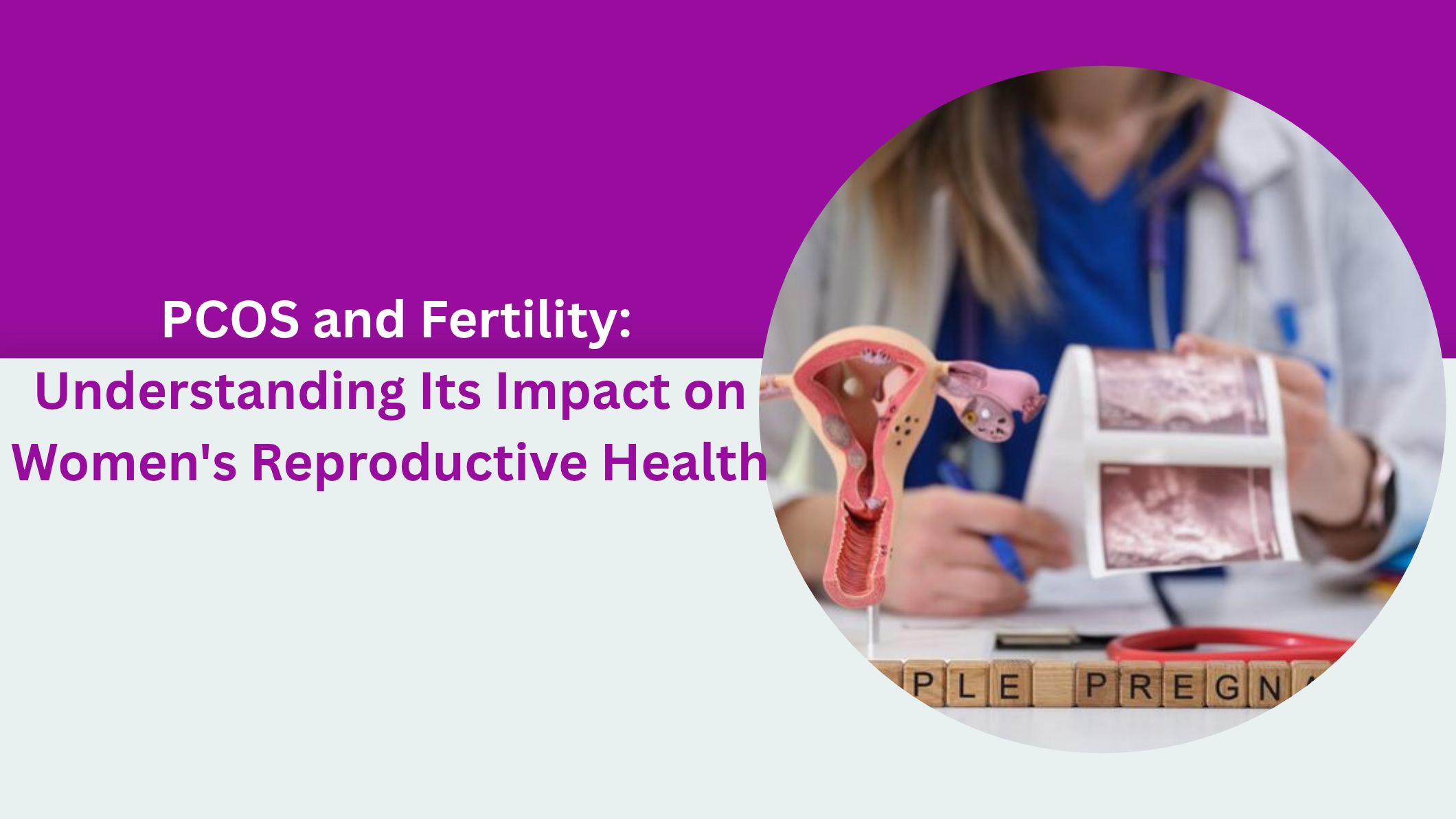
Polycystic Ovary Syndrome (PCOS) is a common hormonal condition that affects women during their reproductive years. It can influence menstrual cycles, ovulation, hormone levels and overall reproductive health. Many women with PCOS experience irregular periods, difficulty predicting ovulation and challenges when trying to conceive. However, having PCOS does not mean that pregnancy is impossible. With appropriate diagnosis, lifestyle management and medical treatment, many women with PCOS can achieve a healthy pregnancy.
Understanding how PCOS affects fertility, recognising its symptoms and exploring available treatment options can help women make informed decisions about their reproductive health. Early evaluation and personalised medical guidance play an important role in managing the condition and improving pregnancy outcomes.
What Is PCOS and How Does It Affect Fertility
Polycystic Ovary Syndrome is a hormonal and metabolic condition that affects the normal functioning of the ovaries. Women with PCOS may have elevated androgen levels, irregular ovulation and multiple small follicles visible on an ultrasound scan. Despite its name, PCOS does not necessarily mean that a woman has ovarian cysts.
One of the major ways PCOS affects reproductive health is by interfering with ovulation. Normally, an ovary releases an egg during each menstrual cycle. However, hormonal imbalances associated with PCOS can prevent regular egg development and release, making menstrual cycles unpredictable and conception more challenging.
Common Symptoms and Causes of PCOS
The exact cause of PCOS is not fully understood, but insulin resistance, genetic factors and hormonal imbalances are believed to contribute to its development. Common symptoms include:
- Irregular Menstrual Periods: Infrequent, irregular or absent periods may occur due to inconsistent ovulation.
- Excess Facial and Body Hair: Increased androgen levels may cause unwanted hair growth on the face, chest, abdomen and other areas.
- Acne and Oily Skin: Hormonal changes can contribute to persistent acne and increased skin oiliness.
- Weight Gain: Some women experience weight gain or difficulty managing their weight, particularly around the abdomen.
- Hair Thinning: Elevated androgen levels may contribute to thinning scalp hair or female-pattern hair loss.
- Difficulty Conceiving: Irregular or absent ovulation can make it harder to predict fertile days and achieve pregnancy.
- Darkened Skin Patches: Some women develop darker, thicker skin around the neck, armpits or groin, which may be associated with insulin resistance.
Not every woman experiences all these symptoms. Their severity can also vary, making proper medical evaluation important for identifying and managing PCOS.
PCOS and Fertility: Understanding Ovulation and Pregnancy Challenges
PCOS is one of the common causes of ovulatory infertility. Hormonal disturbances can interfere with the development and release of mature eggs, reducing the number of opportunities for conception during a year. However, many women with PCOS continue to ovulate occasionally and may become pregnant naturally.
How PCOS Affects Ovulation and Chances of Pregnancy
Hormonal imbalance associated with PCOS can affect the normal communication between the brain and ovaries. This may interfere with follicle development and prevent the regular release of an egg.
Some important fertility-related effects include:
- Irregular Ovulation: Infrequent ovulation reduces the number of opportunities for fertilisation during the menstrual cycle.
- Hormonal Imbalance: Increased androgen levels can interfere with normal follicular development and reproductive function.
- Insulin Resistance: High insulin levels may contribute to increased androgen production and worsen ovulatory disturbances.
- Unpredictable Fertile Window: Irregular menstrual cycles make it difficult to identify the most suitable days for conception.
- Pregnancy-Related Risks: Women with PCOS may have an increased risk of gestational diabetes, pregnancy-related high blood pressure and miscarriage, although individual risks vary.
It is important to understand that PCOS does not automatically cause infertility. Many women conceive naturally, while others may benefit from fertility treatments and medical support.
When Should Women With PCOS Seek Fertility Advice
Women diagnosed with PCOS should consider consulting a gynaecologist or fertility specialist if they experience difficulty conceiving, particularly when menstrual cycles are irregular or absent.
Medical advice may also be helpful when periods are consistently delayed, there are signs of hormonal imbalance, or pregnancy has not occurred despite regular attempts. Women with known ovulation problems do not necessarily need to wait for the standard period recommended for other couples before seeking an evaluation.
Early consultation can help identify ovulation-related concerns, assess other possible fertility factors and develop an appropriate treatment plan.
Diagnosis, Treatment Options and Fertility Management for PCOS
Proper diagnosis is essential for understanding how PCOS affects an individual's reproductive health. A gynaecologist evaluates menstrual history, symptoms, hormone levels and other medical factors before recommending suitable treatment. PCOS management focuses on improving hormonal balance, supporting ovulation and addressing associated metabolic concerns.
Diagnostic Tests and Medical Evaluation
Doctors may recommend different investigations to assess PCOS and its potential impact on fertility, including:
- Medical History and Physical Examination: Evaluation of menstrual patterns, weight changes, acne, excess hair growth and other symptoms.
- Hormonal Blood Tests: Tests may assess androgen levels and other hormones to identify possible hormonal imbalances and exclude alternative conditions.
- Pelvic Ultrasound: Ultrasound imaging helps examine the ovaries and assess their appearance. However, an ultrasound is not always necessary to diagnose PCOS.
- Blood Glucose Assessment: Blood sugar and metabolic testing help identify insulin resistance-related concerns and diabetes risk.
- Additional Fertility Investigations: Depending on individual circumstances, doctors may evaluate thyroid function, prolactin levels, tubal health and other factors affecting conception.
Available PCOS Treatment Options to Improve Fertility
Treatment depends on the woman's symptoms, reproductive goals, age and overall health. Several approaches may help improve ovulation and support natural conception or assisted pregnancy.
- Lifestyle Modifications: Regular physical activity, balanced nutrition, adequate sleep and sustainable weight management can improve metabolic health and support ovulation. Even modest weight reduction may benefit some women with higher body weight.
- Ovulation-Inducing Medication: Letrozole is generally recommended as the first-line medication for ovulation induction in women with PCOS who have anovulatory infertility without other infertility factors. Clomiphene citrate may be considered in selected cases.
- Metformin: This medication may be recommended to improve insulin resistance and metabolic health. It can also support menstrual regularity and ovulation in some women.
- Gonadotropin Therapy: Injectable fertility medications may be considered when oral ovulation-inducing treatments are unsuccessful. Careful monitoring is necessary because of the risk of multiple pregnancy and ovarian hyperstimulation.
- Assisted Reproductive Techniques: In Vitro Fertilisation (IVF) may be recommended when other treatments are unsuccessful or when additional fertility factors are present.
Women with PCOS may also benefit from appropriate monitoring during pregnancy because of their increased risk of certain metabolic and obstetric complications. Regular antenatal consultations help doctors identify concerns early and provide suitable care.
PCOS is a manageable hormonal condition, and a diagnosis does not mean that a woman cannot become pregnant. Understanding its impact on ovulation, recognising symptoms and seeking timely medical guidance can help women make informed fertility decisions. With personalised treatment, lifestyle modifications and appropriate reproductive support, many women with PCOS can achieve successful pregnancies and maintain better overall health.
Dr. Preeti Tandon at Fakeeh University Hospital provides expert healthcare regarding this, offering comprehensive gynaecological care and personalised medical guidance to support women's hormonal health, fertility and reproductive well-being.