



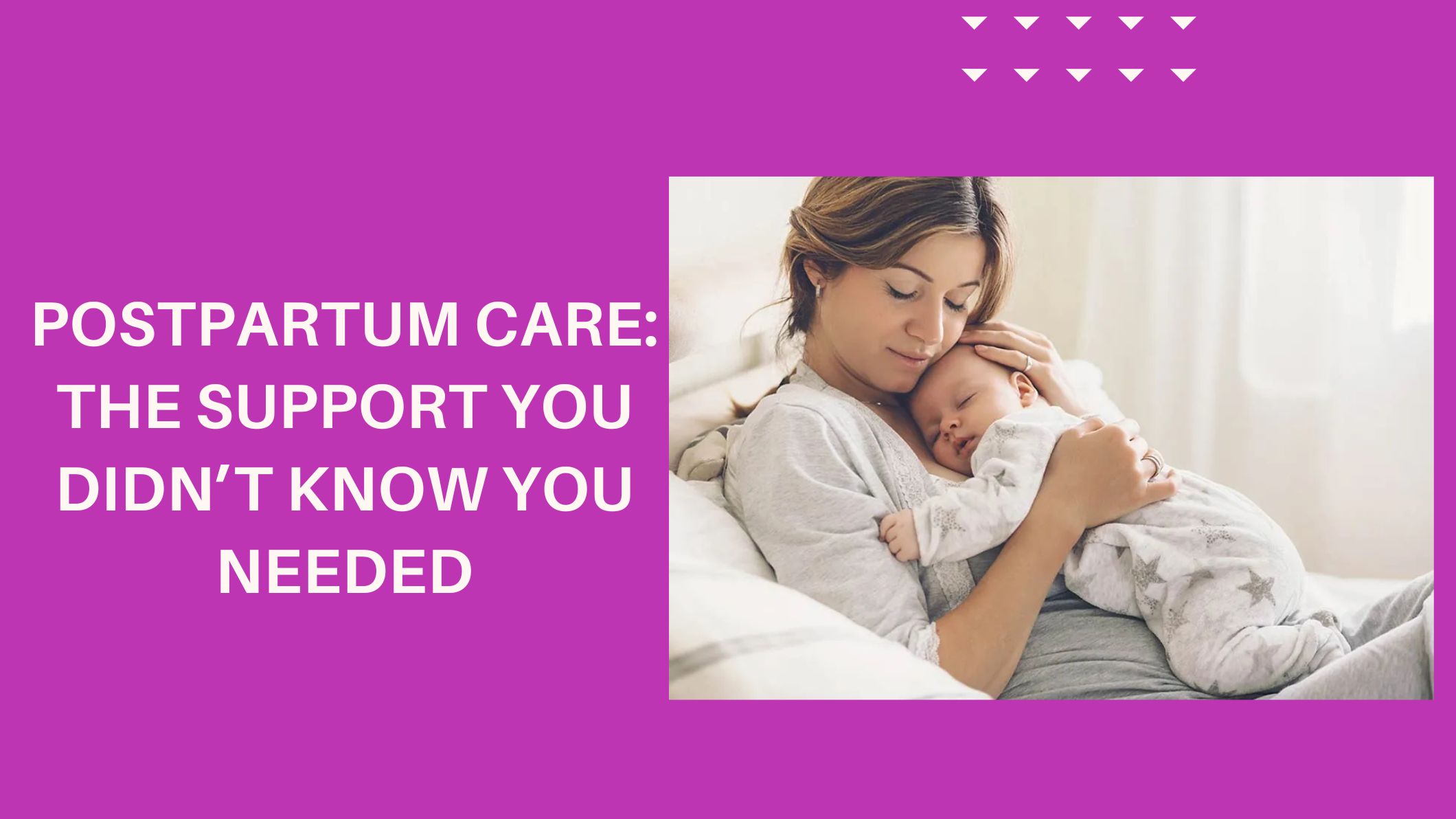
The arrival of a newborn is often described as one of life’s happiest moments. While much attention is given to pregnancy and childbirth, the period after delivery—known as the postpartum phase—is equally important. Postpartum care focuses on a mother’s physical recovery, emotional well-being, and overall health as she adjusts to life after childbirth. Understanding the importance of postpartum care can make this transition smoother, healthier, and more fulfilling.
What Is Postpartum Care?
Postpartum care refers to the medical, emotional, and practical support provided to a woman after she gives birth. This phase typically lasts six weeks but can extend longer depending on individual needs. During this time, a woman’s body undergoes significant changes as it heals from pregnancy and delivery.
The Body’s Recovery Process
After childbirth, the uterus gradually returns to its pre-pregnancy size, hormone levels shift, and the body begins healing from delivery-related strain or surgical procedures. Postpartum care ensures that these changes are monitored, complications are identified early, and recovery progresses safely.
Why Postpartum Care Is Often Overlooked
New mothers often focus entirely on caring for their newborn, unintentionally neglecting their own health. Cultural expectations, lack of awareness, and limited follow-up visits can result in postpartum needs being overlooked. However, ignoring postpartum care can lead to prolonged physical discomfort and emotional challenges.
Common Postpartum Challenges
Many women experience fatigue, pain, breastfeeding difficulties, hormonal imbalances, or emotional fluctuations after childbirth. Conditions such as postpartum depression, anxiety, and infections can arise if proper care and support are not provided. Recognizing these challenges early is crucial for long-term well-being.
Emotional and Mental Health Support
Postpartum emotional health is just as important as physical recovery. Mood swings, tearfulness, and anxiety are common due to hormonal changes and sleep deprivation. While these feelings may be temporary, persistent emotional distress should never be ignored.
Understanding Postpartum Depression
Postpartum depression is a serious condition that affects many new mothers. Symptoms may include persistent sadness, loss of interest in daily activities, difficulty bonding with the baby, and feelings of guilt or hopelessness. Professional support can make a significant difference in recovery.
The Role of Medical Follow-Ups
Regular postpartum check-ups allow healthcare providers to monitor healing, manage pain, address breastfeeding concerns, and discuss family planning. These visits also provide an opportunity to assess emotional health and offer guidance on nutrition, exercise, and lifestyle adjustments.
Personalized Care Makes a Difference
Every mother’s postpartum journey is unique. Personalized care plans ensure that individual needs are met, whether it involves physical rehabilitation, mental health support, or long-term wellness planning.
Why Postpartum Care Truly Matters
Proper postpartum care helps women regain strength, confidence, and emotional balance. It reduces the risk of long-term health complications and supports a positive transition into motherhood. When mothers are healthy, they are better equipped to care for their babies and themselves.
Expert Support You Can Rely On
Comprehensive postpartum care requires expertise, compassion, and understanding. Dr. Preeti Tandon provides the best services regarding postpartum care, offering personalized support, medical guidance, and holistic care to ensure mothers experience a healthy and confident recovery after childbirth.