



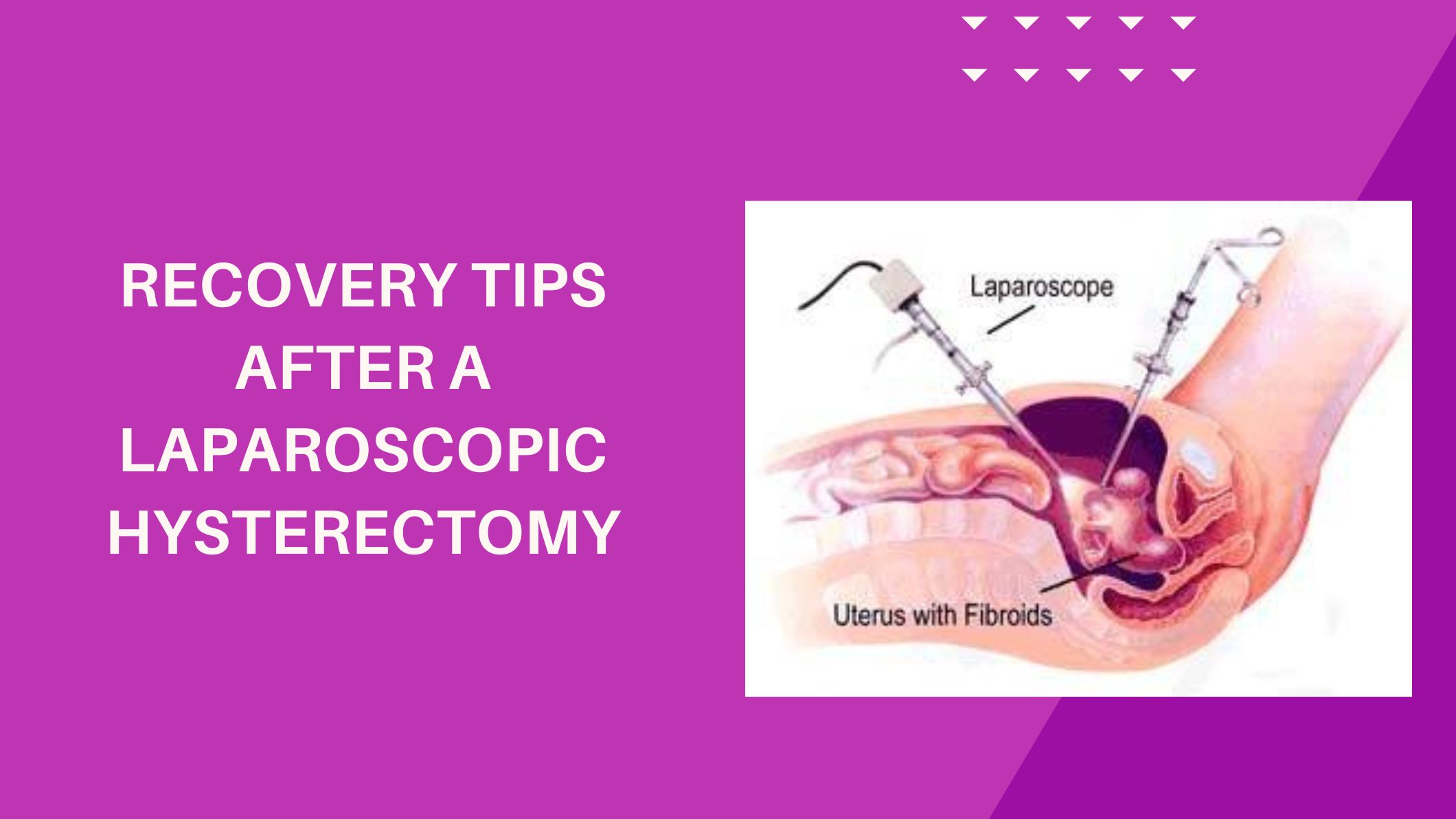
A laparoscopic hysterectomy is a minimally invasive surgical procedure performed to remove the uterus using small incisions and advanced camera-guided instruments. While it offers faster healing and less discomfort compared to traditional surgery, proper post-operative care is essential to ensure a smooth and safe recovery. This guide highlights the most effective recovery tips to help you regain strength, prevent complications, and return to daily activities confidently.
Understanding Your Recovery Period
Know What to Expect
Most patients recover from a laparoscopic hysterectomy within 2–4 weeks, but the pace may vary depending on individual health, age, and the reason for surgery. Mild discomfort, fatigue, bloating, or spotting are common during the first few days. Being informed about your recovery timeline helps you stay patient and prepared.
Managing Pain and Discomfort
Follow Your Pain Medication Schedule
Your doctor will prescribe pain medications to help you stay comfortable. Take them as directed and avoid skipping doses during the initial days. Mild pain is normal, but severe or persistent pain should always be reported.
Use Heat for Muscle Soreness
Some women experience shoulder or abdominal discomfort due to gas used during the surgery. A warm heating pad can help relieve this soreness and improve comfort.
Taking Care of Your Incisions
Keep the Area Clean and Dry
Your small surgical incisions need gentle care. Clean them with mild soap and water and pat dry—do not scrub or apply powders. Avoid soaking in bathtubs or swimming pools until your doctor gives permission.
Watch for Signs of Infection
Redness, swelling, foul smell, pus, or increasing pain around the incision are warning signs. Report these symptoms immediately to prevent complications.
Returning to Daily Activities
Avoid Heavy Lifting
For at least 4–6 weeks, avoid lifting anything heavier than 5 kg. Lifting too soon can strain your abdominal muscles and affect healing.
Start Slow and Increase Activity Gradually
Begin with light walking around your home to boost blood circulation and reduce the risk of blood clots. Gradually increase your walking time as your strength returns. Avoid high-intensity workouts until your doctor approves.
Rest When Your Body Needs It
Fatigue is normal after surgery. Listen to your body and take short naps throughout the day. Adequate rest speeds up healing and helps your body recover fully.
Maintaining a Healthy Diet
Eat Foods That Support Healing
Choose nutrient-rich foods such as fruits, vegetables, lean protein, and whole grains. These help repair tissues and improve energy levels. Staying hydrated is equally important, so drink plenty of water throughout the day.
Prevent Constipation
Post-surgery medications can slow down your digestion. To avoid constipation, include fibre-rich foods, drink enough water, and consider taking stool softeners if your doctor recommends them.
Emotional Well-Being During Recovery
Be Patient with Yourself
It’s normal to feel emotional changes after a hysterectomy due to hormonal shifts or the mental impact of surgery. Surround yourself with supportive loved ones and focus on gentle self-care.
Communicate with Your Healthcare Provider
Share any concerns, emotional challenges, or questions you may have. Your doctor can provide reassurance, guidance, or treatment if needed.
When to Call Your Doctor
Look Out for These Symptoms
Seek immediate medical help if you experience:
• Heavy bleeding • Fever or chills • Severe abdominal pain • Difficulty urinating • Shortness of breath • Persistent nausea or vomiting
These could be signs of a complication that needs prompt attention.
Conclusion
Recovering from a laparoscopic hysterectomy requires patience, rest, and proper care. By following your doctor’s instructions, eating well, staying active within limits, and monitoring your incisions, you can ensure a smooth and comfortable healing journey. With the right support, most women regain strength quickly and return to their daily routines with renewed confidence.
Dr Preeti Tandon provides the best services regarding laparoscopic hysterectomy, offering expert surgical care, compassionate guidance, and personalized recovery support.