



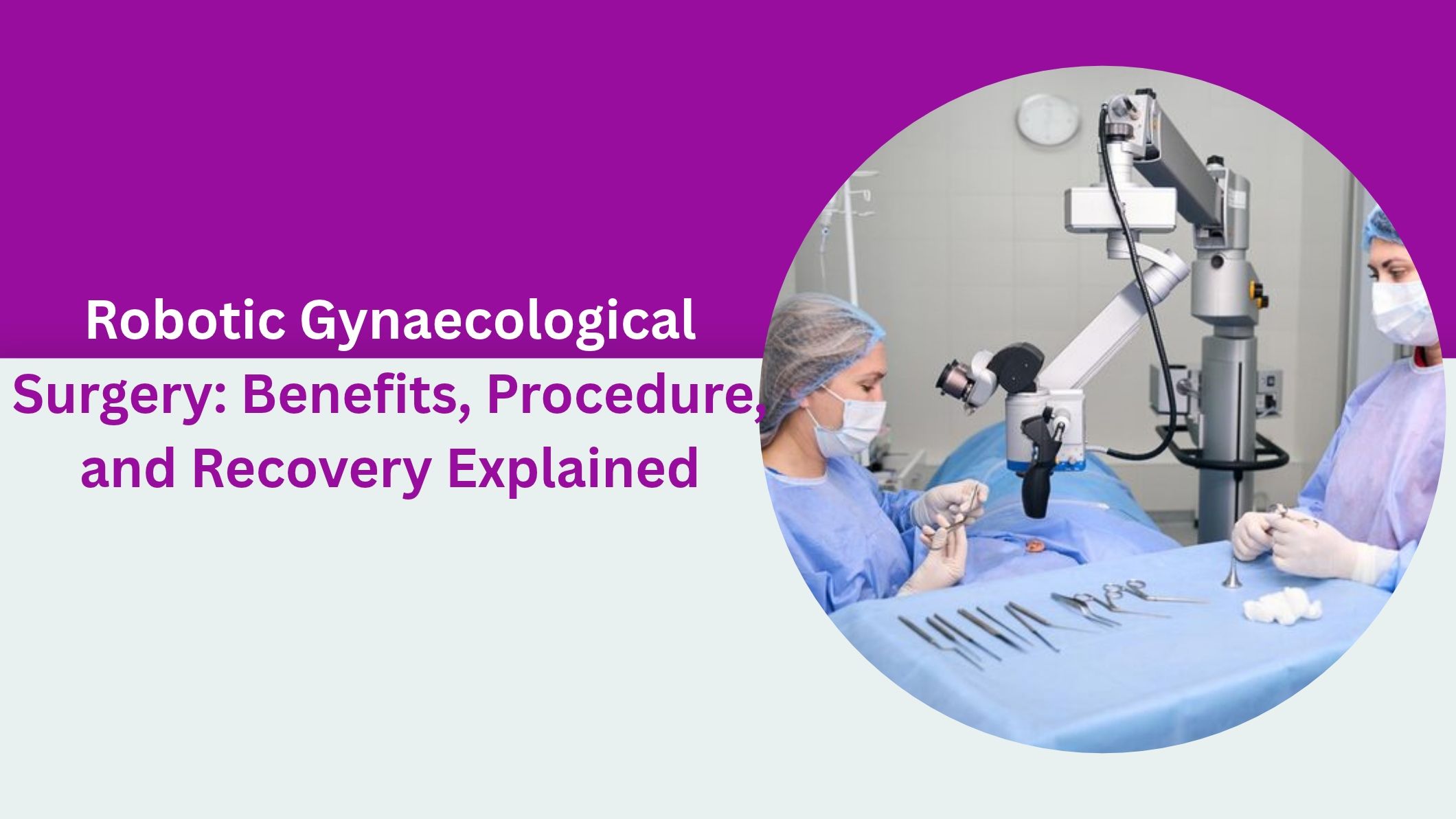
Robotic gynaecological surgery is an advanced minimally invasive surgical approach that helps treat several conditions affecting the female reproductive system. With advancements in medical technology, robotic-assisted procedures have become an important option for women who require surgical treatment for conditions such as uterine fibroids, endometriosis, ovarian cysts, and certain gynaecological cancers. Compared with traditional open surgery, robotic-assisted techniques may offer greater surgical precision, smaller incisions, and a potentially smoother recovery for suitable patients.
This procedure combines the expertise of a trained surgeon with advanced robotic technology. The robot does not perform surgery independently. Instead, the surgeon controls specialised instruments through a robotic console, allowing precise movements during the operation. Understanding the benefits, procedure, and recovery process can help women make informed decisions about their gynaecological healthcare.
1. What Is Robotic Gynaecological Surgery and How Does It Work
Robotic gynaecological surgery is a minimally invasive procedure in which a surgeon uses a robotic-assisted surgical system to perform operations involving the uterus, ovaries, fallopian tubes, and surrounding pelvic structures.
During the procedure, the surgeon sits at a specialised console and controls robotic instruments inserted through small incisions in the abdomen. A high-definition, magnified three-dimensional camera provides a detailed view of the surgical area.
The robotic instruments translate the surgeon's hand movements into precise actions. Their flexibility and range of motion allow the surgeon to work carefully in complex pelvic areas.
Robotic-assisted surgery may be recommended for several gynaecological conditions, including:
- Uterine Fibroids: Removal of fibroids through robotic-assisted myomectomy.
- Endometriosis: Removal of endometriosis lesions and adhesions in selected cases.
- Hysterectomy: Surgical removal of the uterus when medically necessary.
- Ovarian Cysts: Removal of certain cysts while preserving healthy ovarian tissue when possible.
- Gynaecological Cancers: Selected procedures for the surgical management of uterine, cervical, or other reproductive cancers.
The suitability of robotic surgery depends on the patient's diagnosis, medical history, and overall health.
2. Major Benefits of Robotic Gynaecological Surgery
Robotic-assisted surgery offers several potential advantages over traditional open surgical procedures. These benefits are particularly relevant for patients who require complex pelvic operations and are suitable candidates for minimally invasive techniques.
Some important benefits include:
- Greater Surgical Precision: Robotic instruments provide controlled movements that can help surgeons perform delicate procedures accurately.
- Enhanced Visualisation: Magnified 3D imaging provides a detailed view of tissues, blood vessels, and surrounding structures.
- Smaller Incisions: The procedure generally involves small abdominal incisions rather than one large surgical opening.
- Less Blood Loss: Minimally invasive techniques may reduce blood loss during certain procedures.
- Reduced Postoperative Discomfort: Many patients experience less pain compared with traditional open surgery.
- Shorter Hospital Stay: Depending on the procedure and individual recovery, patients may be discharged sooner.
- Faster Return to Daily Activities: Smaller incisions and reduced surgical trauma may support an earlier return to routine activities.
However, robotic surgery is not automatically better for every patient. The benefits depend on the specific condition, surgeon's experience, and complexity of the operation. Some patients may achieve equally good outcomes with conventional laparoscopy or open surgery.
3. What Happens During the Robotic Surgery Procedure
Before robotic gynaecological surgery, the patient undergoes a detailed medical assessment. The doctor reviews medical history, symptoms, diagnostic reports, and imaging results to determine the most appropriate surgical approach.
The procedure generally involves the following steps:
Preoperative Preparation: The patient receives instructions regarding fasting, medications, and other preparations. Anaesthesia evaluation is also completed before surgery.
Administration of Anaesthesia: General anaesthesia is given so the patient remains unconscious and comfortable throughout the procedure.
Small Incisions: The surgeon creates small incisions in the abdomen through which robotic instruments and a camera are inserted.
Robotic-Assisted Operation: The surgeon controls the robotic instruments from a console and performs the required surgical procedure with the help of magnified visual guidance.
Completion and Closure: After completing the operation, the instruments are removed, and the small incisions are closed using appropriate techniques.
The duration of surgery depends on the type of procedure, the patient's condition, and the complexity of the treatment.
4. Recovery After Robotic Gynaecological Surgery
Recovery after robotic surgery varies according to the procedure performed, the patient's overall health, and individual healing capacity. Since robotic-assisted surgery generally uses smaller incisions, recovery may be quicker than with traditional open surgery in suitable cases.
During the initial recovery period, patients may experience mild abdominal discomfort, fatigue, bloating, or temporary soreness around the incision sites.
Some important recovery recommendations include:
- Follow all postoperative instructions provided by the surgeon.
- Keep surgical incisions clean and dry as advised.
- Take prescribed medications according to medical instructions.
- Avoid heavy lifting and strenuous physical activities until cleared by the doctor.
- Start gentle walking when recommended to support circulation and recovery.
- Attend scheduled follow-up appointments.
- Maintain a nutritious diet and adequate hydration.
Many patients return to light daily activities within a few days to a couple of weeks, while complete recovery may take several weeks depending on the procedure.
Severe abdominal pain, fever, heavy bleeding, breathing difficulties, or unusual discharge should be reported to a healthcare professional immediately.
Conclusion
Robotic gynaecological surgery represents an important advancement in women's healthcare, offering a minimally invasive approach for treating several reproductive health conditions. With enhanced visualisation, precise instrument control, and smaller incisions, it may provide important benefits for appropriately selected patients. However, choosing the right surgical approach requires a detailed medical evaluation and consultation with an experienced specialist.
Understanding the procedure, potential benefits, risks, and recovery expectations can help women make confident decisions about their treatment. Dr. Preeti Tandon at Fakeeh University Hospital provides expert healthcare regarding this, offering specialised gynaecological care and guidance to help women explore suitable surgical treatment options based on their individual medical needs.