



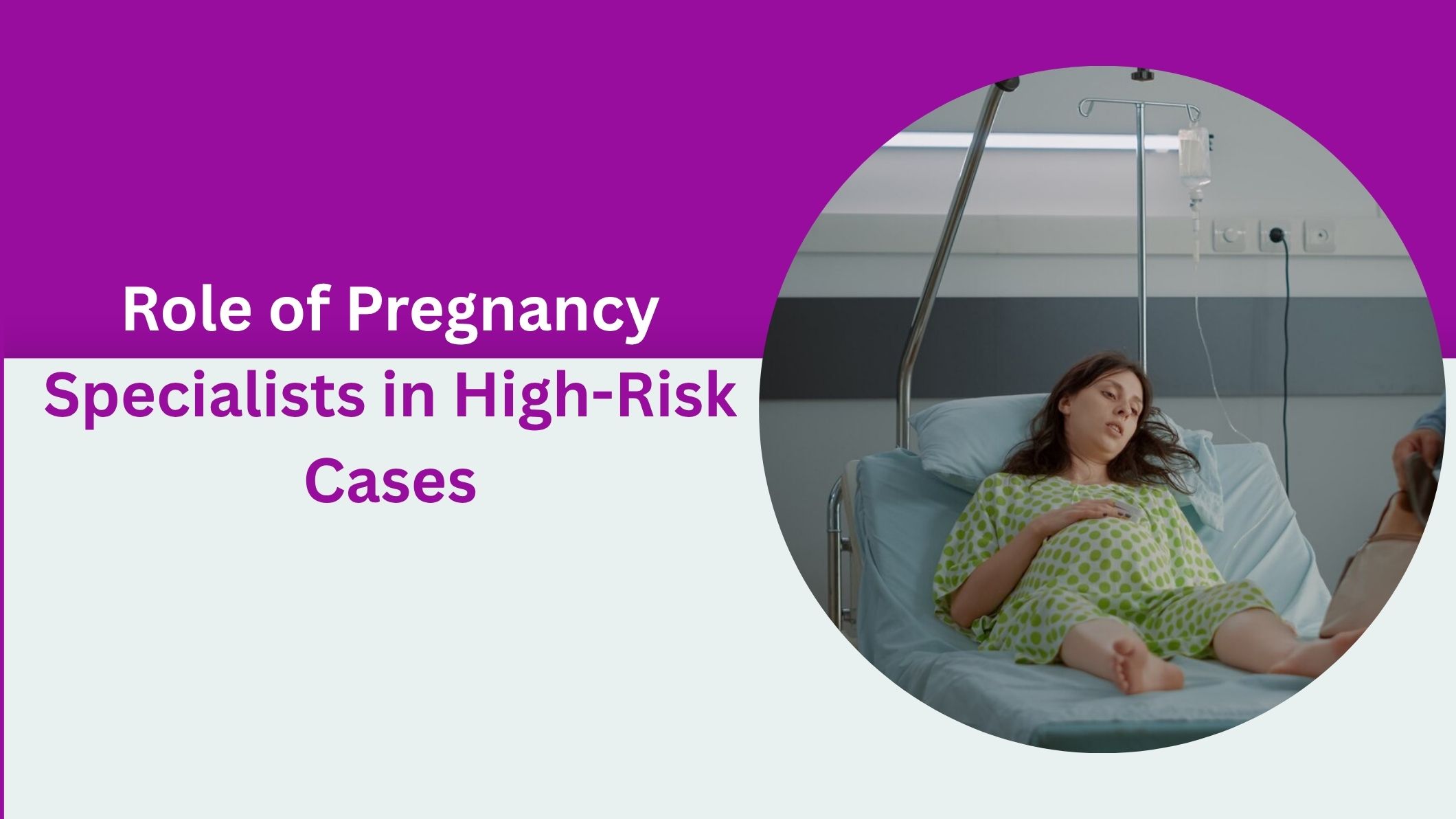
Pregnancy is an important stage of life that requires regular medical care, monitoring, and support. While many pregnancies progress normally, some are considered high-risk because certain health conditions or pregnancy-related complications may increase the possibility of problems for the mother, baby, or both. In such situations, the involvement of an experienced pregnancy specialist can be particularly valuable.
Pregnancy specialists provide specialized assessment, monitoring, and guidance throughout pregnancy. They help identify potential concerns early, develop individualized care plans, and coordinate appropriate treatment when additional medical support is required. Specialized care can help expectant mothers understand their condition and make informed decisions throughout their pregnancy.
Understanding High-Risk Pregnancy
What Makes a Pregnancy High Risk
A pregnancy may be considered high risk when certain medical, obstetric, or pregnancy-related factors require closer monitoring. These factors can include pre-existing health conditions, complications that develop during pregnancy, previous pregnancy complications, multiple pregnancies, or concerns affecting the growth and development of the baby.
Age, medical history, previous surgeries, and certain lifestyle or pregnancy-related factors may also influence the level of monitoring required. Being classified as high risk does not necessarily mean that serious complications will occur. Instead, it indicates that additional observation and specialized medical care may be beneficial.
Importance of Early Identification
Early identification of potential risks allows healthcare professionals to monitor changes more closely. Regular consultations, appropriate examinations, laboratory tests, and ultrasound assessments may help doctors understand how the pregnancy is progressing.
When a potential concern is identified early, the healthcare team can determine an appropriate management approach. This may include additional monitoring, lifestyle recommendations, medication when clinically appropriate, or referral to other specialists.
How Pregnancy Specialists Support High-Risk Pregnancies
Personalized Pregnancy Monitoring
High-risk pregnancies often require individualized monitoring rather than a standard pregnancy schedule. A pregnancy specialist can review the mother's medical history, current health, pregnancy development, and potential risk factors to determine the appropriate frequency and type of follow-up.
Regular monitoring can help healthcare professionals identify changes that may require attention. It also gives expectant mothers an opportunity to discuss symptoms, concerns, and questions during different stages of pregnancy.
Managing Pregnancy-Related Complications
Some complications can develop during pregnancy and require careful medical management. Depending on the situation, these may involve blood pressure concerns, blood sugar abnormalities, placental issues, fetal growth concerns, or other pregnancy-related conditions.
A pregnancy specialist can monitor the condition and determine whether additional investigations or treatment are required. The goal is to manage potential risks while supporting the health and well-being of both mother and baby.
Specialized Care During Different Stages of Pregnancy
First Trimester
The first trimester is an important period for establishing the health and progression of the pregnancy. For women with existing medical conditions or previous pregnancy complications, early specialist assessment can help identify factors that may require additional attention.
Appropriate tests and examinations can provide valuable information about the pregnancy and help establish a suitable care plan for the months ahead.
Second and Third Trimesters
As pregnancy progresses, monitoring may focus on maternal health, fetal growth, development, and potential complications. In high-risk pregnancies, additional ultrasound examinations, blood tests, or other assessments may be recommended depending on the individual's circumstances.
During the later stages of pregnancy, specialists may also discuss delivery planning, particularly when specific medical or obstetric factors could influence the timing or method of delivery.
Importance of Coordinated Medical Care
Working With Other Healthcare Professionals
High-risk pregnancy care may involve more than one healthcare professional. Depending on the mother's condition, a pregnancy specialist may coordinate with physicians, fetal medicine specialists, endocrinologists, cardiologists, or other relevant healthcare providers.
This coordinated approach can help ensure that different aspects of the mother's health are considered when making pregnancy-related decisions. Effective communication between healthcare professionals can also support continuity of care throughout pregnancy.
Preparing for Delivery
For women with high-risk pregnancies, delivery planning may require additional consideration. The healthcare team may evaluate the mother's condition, fetal development, pregnancy progression, and any existing complications before recommending an appropriate delivery plan.
Discussing delivery options in advance can help expectant mothers understand what to expect and prepare for different possibilities. The final plan should always be based on individual medical circumstances and professional assessment.
Emotional Support and Patient Education
A high-risk pregnancy can sometimes create additional stress or anxiety for expectant mothers and their families. Clear communication and patient education are important parts of specialized pregnancy care.
Pregnancy specialists can explain medical findings, recommended tests, potential warning signs, and treatment options in understandable terms. Providing accurate information can help patients participate more confidently in decisions regarding their care.
Expectant mothers should also communicate any unusual or concerning symptoms to their healthcare provider rather than relying on self-diagnosis. Prompt medical advice can be particularly important when a pregnancy has been identified as high risk.
Conclusion
Pregnancy specialists play an important role in managing high-risk pregnancies through specialized monitoring, early identification of potential complications, individualized care planning, and coordination with other healthcare professionals. Their expertise can help expectant mothers receive appropriate care throughout the different stages of pregnancy.
Every pregnancy is unique, and the level of care required depends on the mother's health, medical history, pregnancy development, and individual risk factors. Regular medical consultations and following professional recommendations can help support a healthier pregnancy journey.
Dr. Preeti Tandon offers the best healthcare regarding high-risk pregnancy care, specialized pregnancy monitoring, and comprehensive women's healthcare support.