



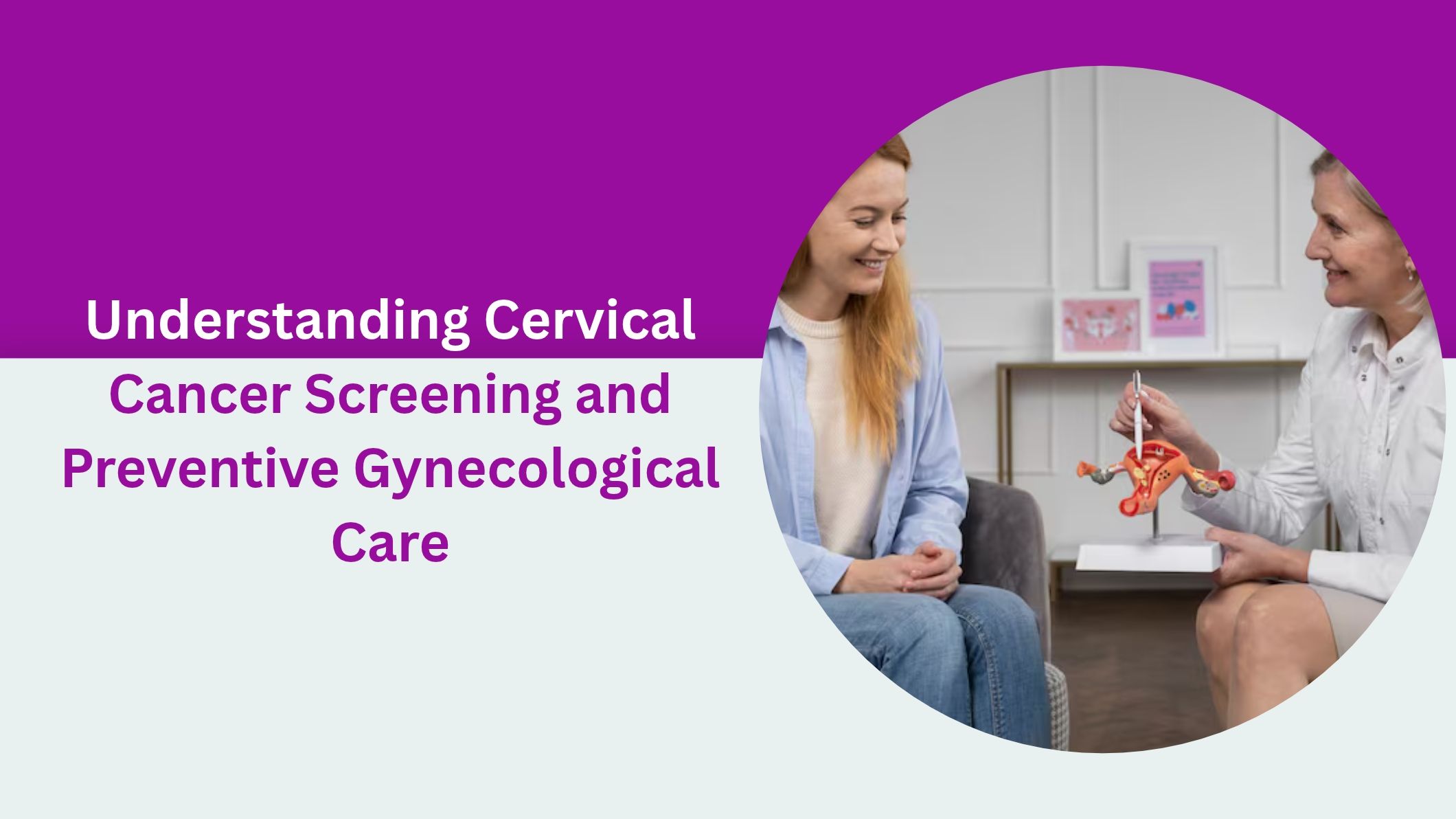
Cervical cancer is one of the important health concerns affecting women worldwide. It develops in the cells of the cervix, the lower part of the uterus that connects to the vagina. Persistent infection with certain high-risk types of human papillomavirus (HPV) is the primary cause of almost all cervical cancer cases. Regular cervical cancer screening, HPV vaccination, and timely medical care can help reduce the risk of developing this disease and improve the chances of detecting abnormal changes early.
Preventive gynaecological care plays an essential role in maintaining women's reproductive health at different stages of life. Understanding screening tests, recognising potential warning signs, and attending recommended medical appointments can help women make informed decisions about their health. A gynaecologist can recommend suitable preventive measures based on age, medical history, previous screening results, and individual risk factors.
1. Importance of Cervical Cancer Screening and Early Detection
Cervical cancer screening helps identify high-risk HPV infections or abnormal cervical cells before they develop into cancer. Early detection is particularly important because precancerous changes often do not cause noticeable symptoms. Waiting until symptoms appear may delay diagnosis and treatment.
Two commonly used screening methods are the HPV test and the Pap test, also known as a Pap smear. The HPV test checks for high-risk HPV types associated with cervical cancer, while the Pap test examines cervical cells for abnormalities. Depending on the screening guidelines, available facilities, and the woman's circumstances, a healthcare professional may recommend one of these tests or a combination of both.
During a screening appointment, the healthcare professional may use a speculum to gently open the vaginal walls and obtain a small sample of cells from the cervix. The procedure usually takes only a few minutes and may cause mild pressure or temporary discomfort. Screening does not usually require extensive preparation, although patients should follow any specific instructions provided by their healthcare provider.
An abnormal screening result does not automatically mean that a woman has cervical cancer. Further evaluation, repeat testing, HPV testing, or a procedure called colposcopy may be recommended depending on the findings. Following the recommended follow-up plan is essential for identifying significant abnormalities and ensuring appropriate care.
2. Warning Signs, HPV Vaccination, and Cervical Cancer Prevention
In its early stages, cervical cancer may not produce any noticeable symptoms. However, certain changes should prompt medical evaluation, particularly if they are unusual or persistent. These may include vaginal bleeding after sexual intercourse, bleeding between menstrual periods, unusually heavy or prolonged periods, bleeding after menopause, or unusual vaginal discharge.
Pelvic pain or discomfort during sexual intercourse can also have several possible causes and should be discussed with a healthcare professional if it persists. These symptoms do not necessarily indicate cervical cancer, but they should not be ignored. Cervical cancer screening is intended for women who may not have symptoms; women experiencing concerning symptoms need appropriate diagnostic evaluation rather than relying on a screening test alone.
HPV vaccination is another important preventive measure. The vaccine protects against HPV types responsible for many cervical cancer cases and is most effective when administered before exposure to the virus. Parents should discuss age-appropriate HPV vaccination with a qualified healthcare professional for their children. Eligible adolescents and adults may also benefit, depending on their age and individual circumstances.
Other preventive measures include attending recommended screening appointments, avoiding tobacco use, and following medical advice when an HPV infection or abnormal cervical result is identified. Although HPV infections are common and often clear naturally, persistent high-risk infections require appropriate monitoring and follow-up.
3. Regular Gynaecological Check-Ups and Personalised Preventive Care
Regular gynaecological consultations help women understand their reproductive health needs and identify concerns that may require further investigation. The appropriate timing of cervical cancer screening depends on factors such as age, previous test results, medical history, immune status, and local screening recommendations. Women should consult their gynaecologist to determine when screening should begin and how frequently it should be repeated.
Preventive appointments may also provide an opportunity to discuss menstrual irregularities, contraception, fertility concerns, vaginal infections, menopausal changes, and other aspects of women's health. Women with previous abnormal cervical screening results or certain medical conditions may need an individualised follow-up plan rather than a routine screening schedule.
Maintaining accurate medical records and sharing previous screening results can help healthcare professionals make appropriate recommendations. Women should also feel comfortable asking questions about test procedures, possible results, follow-up investigations, and available treatment options. Timely follow-up is particularly important when an abnormal result requires additional assessment.
It is equally important to remember that a routine pelvic examination and cervical cancer screening are not the same thing. A pelvic examination may be useful for evaluating particular symptoms or conditions, while cervical screening specifically looks for high-risk HPV or abnormal cervical cells. The need for each procedure should be discussed with a healthcare professional.
Understanding cervical cancer screening and preventive gynaecological care empowers women to take proactive steps towards protecting their health. HPV vaccination, age-appropriate screening, awareness of warning signs, and timely medical consultation can make a meaningful difference in preventing cervical cancer and identifying concerning changes early.
Dr. Preeti Tandon at Fakeeh University Hospital provides expert healthcare regarding this, supporting women with professional gynaecological guidance, preventive healthcare, and personalised care to help them make informed decisions about their reproductive health.