



Uterine fibroids are one of the most common gynecological conditions affecting women during their reproductive years. These non-cancerous growths develop in or around the uterus and can vary greatly in size and number. While some women experience no symptoms, others may face discomfort, heavy bleeding, or fertility-related complications. With growing awareness and access to advanced healthcare facilities, women in Dubai are increasingly seeking early diagnosis and effective treatment for uterine fibroids.
What Are Uterine Fibroids?
Uterine fibroids, also known as leiomyomas or myomas, are muscular tumors that grow from the wall of the uterus. They are usually benign and rarely become cancerous. Fibroids may appear as a single growth or multiple growths and can range from very small to significantly large in size.
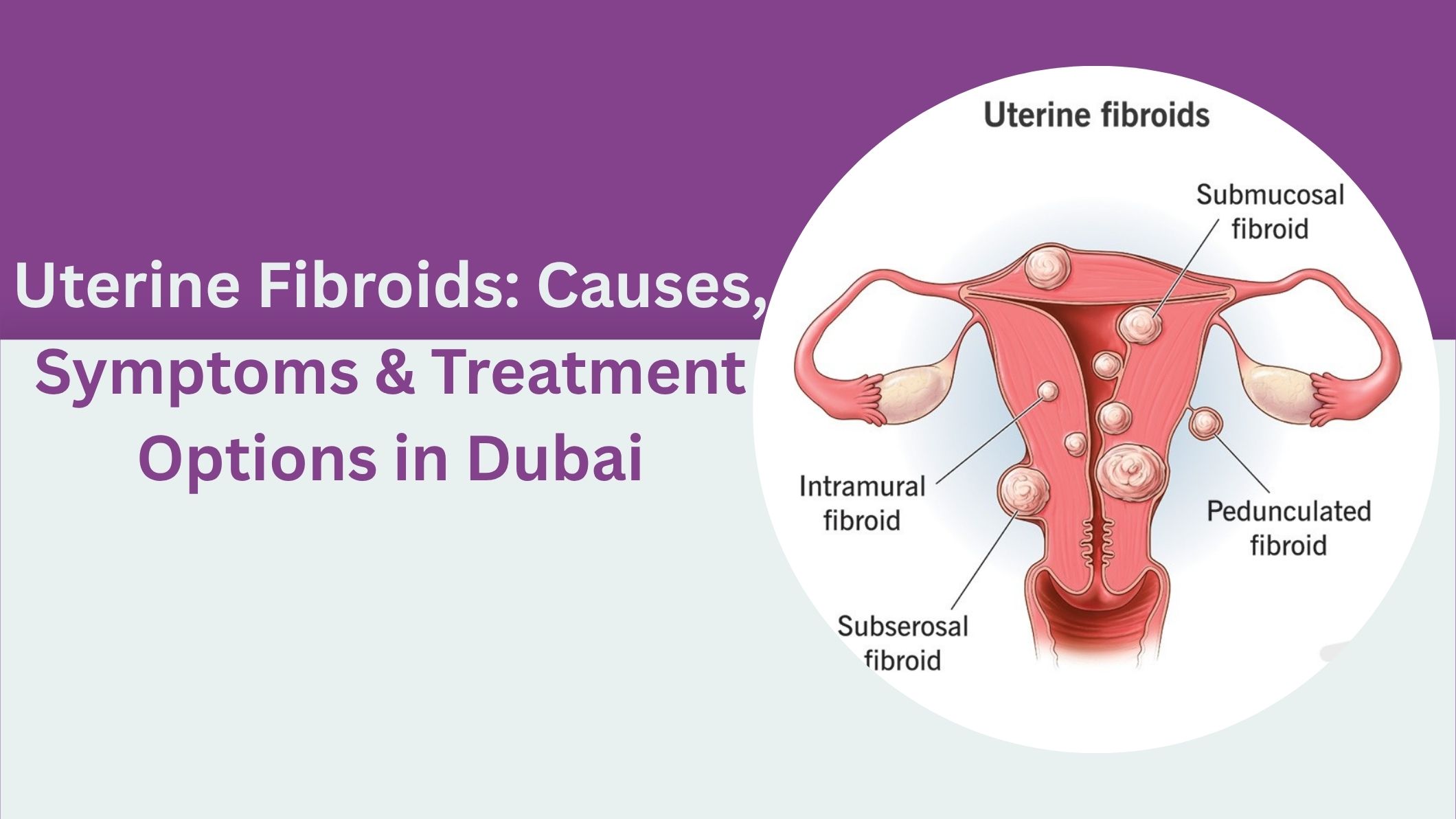
Fibroids are commonly classified based on their location:
- Intramural Fibroids: Grow within the muscular wall of the uterus.
- Subserosal Fibroids: Develop on the outer surface of the uterus.
- Submucosal Fibroids: Grow beneath the uterine lining and may affect menstrual bleeding and fertility.
- Pedunculated Fibroids: Attached to the uterus by a thin stalk.
Common Causes of Uterine Fibroids
The exact cause of uterine fibroids is not fully understood, but several factors are believed to contribute to their development.
Hormonal Imbalance: Estrogen and progesterone hormones play a major role in fibroid growth. Fibroids often grow during reproductive years when hormone levels are high.
Genetics: Women with a family history of fibroids are more likely to develop the condition.
Age and Lifestyle: Fibroids are more common in women between the ages of 30 and 50. Obesity, stress, and poor dietary habits may also increase the risk.
Pregnancy Factors: Pregnancy-related hormonal changes can sometimes influence fibroid growth.
Symptoms of Uterine Fibroids
Many women with fibroids experience no noticeable symptoms. However, depending on the size and location of the fibroids, some may experience:
- Heavy or prolonged menstrual bleeding
- Pelvic pain or pressure
- Frequent urination
- Lower back pain
- Pain during intercourse
- Bloating or abdominal enlargement
- Difficulty conceiving or fertility issues
- Fatigue caused by anemia due to excessive bleeding
If left untreated, large fibroids can significantly affect a woman’s quality of life and reproductive health.
Diagnosis of Uterine Fibroids in Dubai
Dubai offers advanced medical facilities and modern diagnostic technologies for identifying uterine fibroids accurately. Gynecologists usually begin with a pelvic examination followed by imaging tests such as:
- Ultrasound Scan
- MRI Scan
- Hysteroscopy
- Blood Tests for anemia evaluation
Early diagnosis is important because it helps doctors determine the best treatment plan based on the size, number, and symptoms of the fibroids.
Treatment Options for Uterine Fibroids
Treatment for uterine fibroids depends on the severity of symptoms, age, future pregnancy plans, and overall health condition of the patient.
Medication and Hormonal Therapy
For mild symptoms, doctors may recommend medications to regulate hormones and reduce bleeding or pain. Hormonal therapy can sometimes help shrink fibroids temporarily.
Minimally Invasive Procedures
Modern healthcare centers in Dubai provide minimally invasive treatments such as:
- Uterine Fibroid Embolization (UFE): Blocks blood supply to fibroids, causing them to shrink.
- Laparoscopic Myomectomy: Removes fibroids while preserving the uterus.
- Hysteroscopic Fibroid Removal: Used for fibroids inside the uterine cavity.
These procedures usually involve faster recovery and less discomfort compared to traditional surgery.
Surgical Treatment
In severe cases, surgery may be required. A hysterectomy, which involves removal of the uterus, may be recommended for women with large fibroids or severe symptoms who do not plan future pregnancies.
Importance of Early Medical Attention
Ignoring fibroid symptoms can lead to complications such as severe anemia, fertility problems, and chronic pelvic pain. Women experiencing abnormal menstrual bleeding or persistent pelvic discomfort should consult a qualified gynecologist as early as possible.
Maintaining a healthy lifestyle, managing stress, and attending regular gynecological checkups can also help monitor reproductive health effectively.
Conclusion
Uterine fibroids are a common yet manageable gynecological condition affecting many women worldwide. With timely diagnosis and proper treatment, most women can successfully manage symptoms and maintain a healthy quality of life. Dubai offers advanced healthcare facilities and modern treatment options for women dealing with fibroids and other reproductive health concerns.
For expert gynecological consultation, advanced diagnosis, and personalized fibroid treatment, Dr. Preeti Tandon’s Clinic provides some of the best professional healthcare services in Dubai. The clinic is dedicated to offering compassionate care, modern treatment solutions, and comprehensive women’s healthcare support for patients seeking trusted gynecological expertise.