



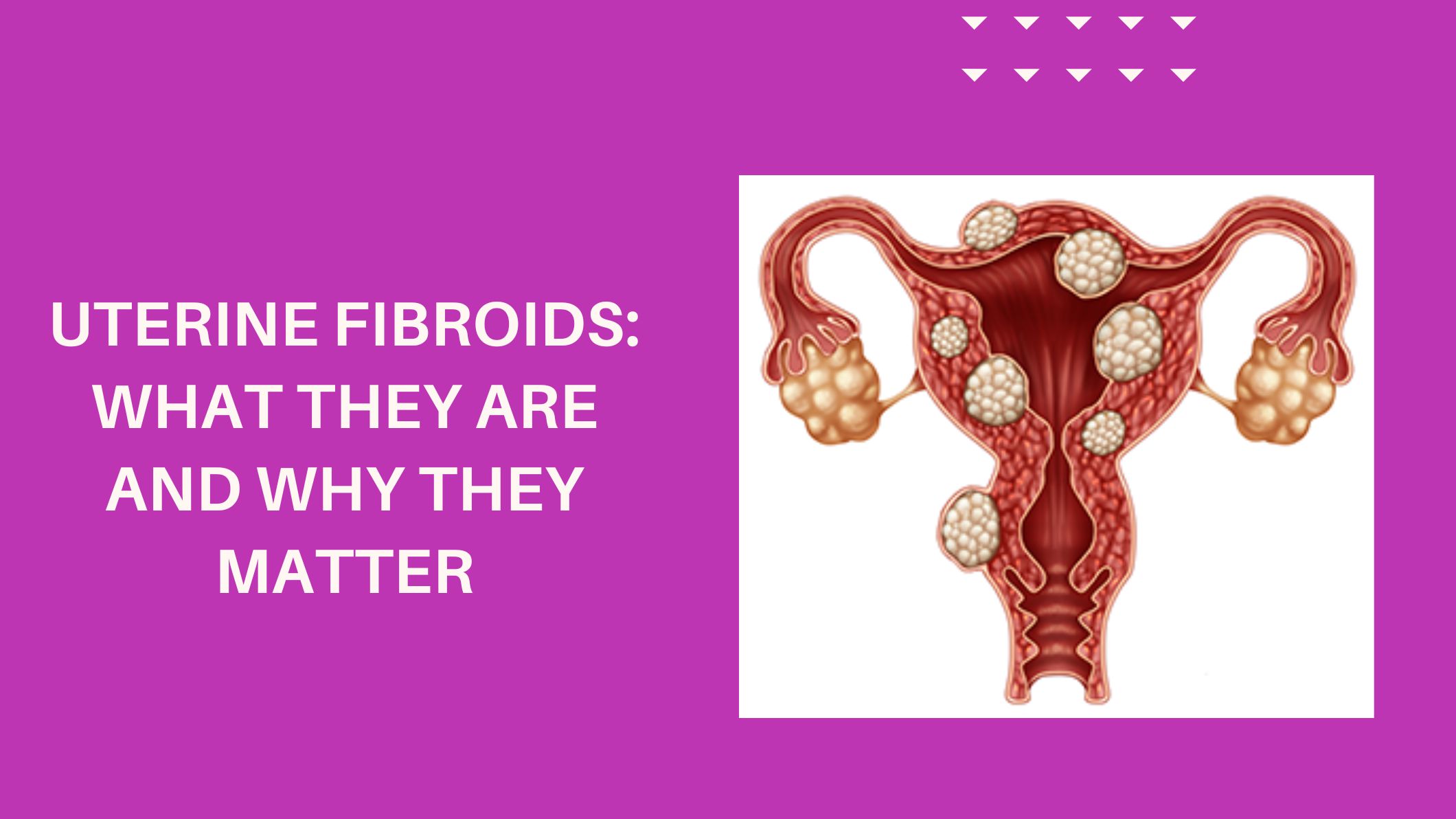
Uterine fibroids are one of the most common gynecological conditions affecting women, especially during their reproductive years. Although they are non-cancerous growths, fibroids can significantly impact a woman’s quality of life when left untreated. Understanding what uterine fibroids are, their symptoms, causes, and available treatments is essential for making informed health decisions.
What Are Uterine Fibroids?
Uterine fibroids, also known as leiomyomas, are benign tumors that develop from the muscle tissue of the uterus. They can vary greatly in size, ranging from as small as a seed to as large as a melon. Fibroids may grow within the uterine wall, on the outer surface of the uterus, or inside the uterine cavity.
Types of Uterine Fibroids
Fibroids are classified based on their location. Intramural fibroids grow within the muscular wall of the uterus and are the most common type. Subserosal fibroids develop on the outer surface of the uterus and can sometimes press on nearby organs. Submucosal fibroids grow into the uterine cavity and are often associated with heavy menstrual bleeding and fertility issues.
Why Do Uterine Fibroids Develop
The exact cause of uterine fibroids is not fully understood, but several factors are believed to contribute to their development. Hormones such as estrogen and progesterone play a major role, as fibroids tend to grow during reproductive years and often shrink after menopause. Genetics also influence fibroid growth, meaning women with a family history of fibroids are at higher risk.
Risk Factors to Be Aware Of
Certain factors increase the likelihood of developing fibroids, including early onset of menstruation, obesity, vitamin D deficiency, and lifestyle factors such as poor diet and high stress levels. Women who have never been pregnant may also have a higher risk of fibroid development.
Common Symptoms of Uterine Fibroids
Many women with fibroids experience no symptoms at all, while others may face significant discomfort. Symptoms depend on the size, number, and location of fibroids.
Physical and Menstrual Symptoms
Common symptoms include heavy or prolonged menstrual periods, pelvic pain or pressure, frequent urination, constipation, and lower back pain. Some women may also experience painful intercourse or abdominal bloating. In severe cases, heavy bleeding can lead to anemia and fatigue.
Why Uterine Fibroids Matter
Although fibroids are non-cancerous, they can interfere with daily life, emotional well-being, and reproductive health. Fibroids may cause fertility challenges, complications during pregnancy, or difficulties during childbirth. Ignoring persistent symptoms can lead to worsening discomfort and health complications over time.
Diagnosis and Treatment Options
Uterine fibroids are typically diagnosed through pelvic examinations, ultrasound, or MRI scans. Treatment depends on symptom severity, fibroid size, age, and future pregnancy plans. Options range from medication to manage symptoms to minimally invasive procedures and, in some cases, surgical interventions.
Personalized Care Is Key
Every woman’s condition is unique, which is why personalized evaluation and treatment planning are essential. Early diagnosis allows for more treatment options and better outcomes, helping women regain comfort and confidence in their health.
Expert Care You Can Trust
When it comes to managing uterine fibroids, expert medical guidance makes all the difference. Dr. Preeti Tandon provides the best services regarding uterine fibroids, offering compassionate care, accurate diagnosis, and personalized treatment plans to help women achieve optimal gynecological health.