



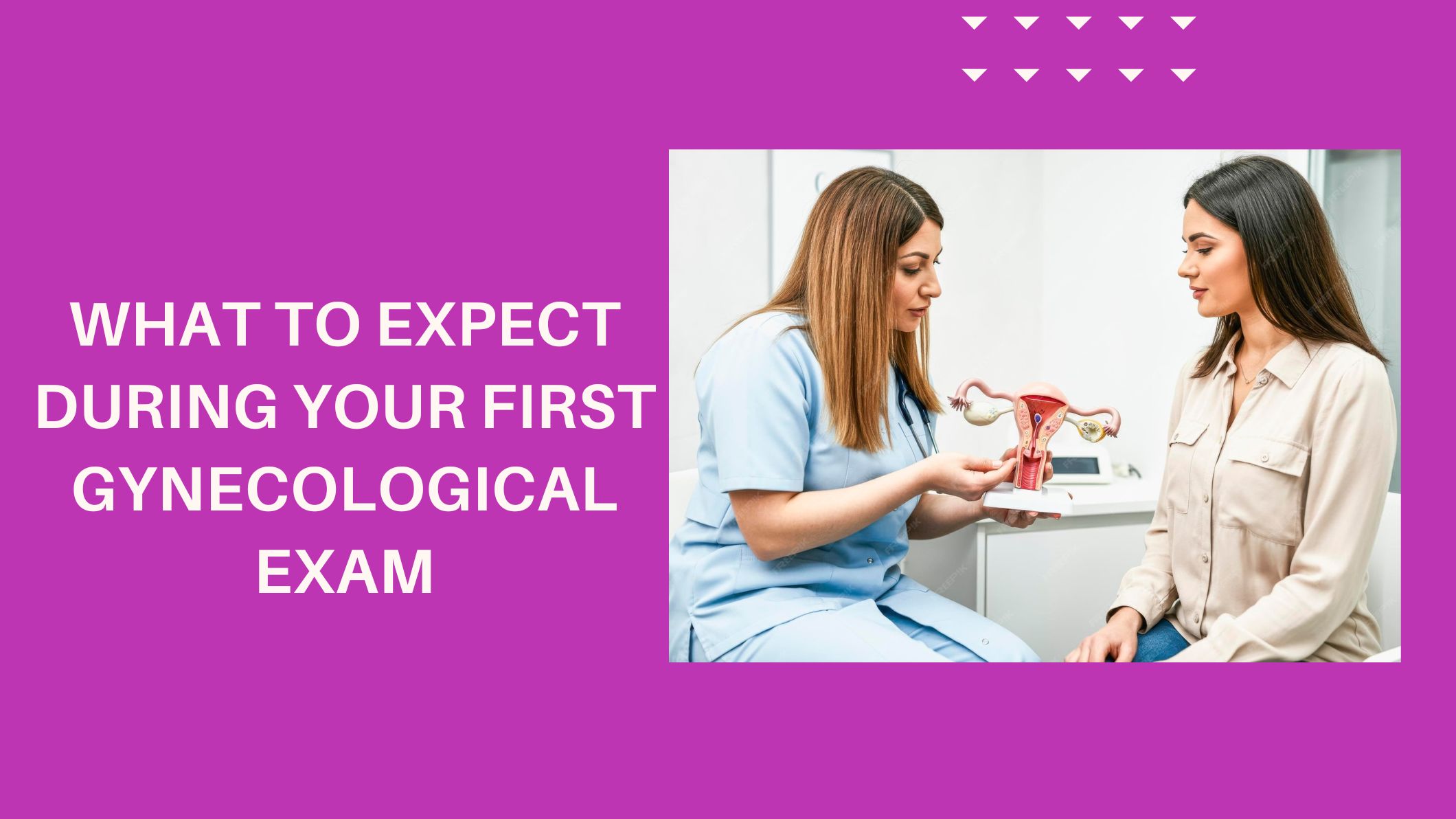
Your first gynecological exam is an important step toward taking charge of your reproductive and overall health. It’s completely normal to feel nervous or unsure about what will happen during the visit. Understanding the process in advance can ease anxiety and help you feel confident and prepared. This exam is designed to support your well-being, answer your questions, and establish a trusted relationship with your gynecologist.
Why Your First Gynecological Exam Matters
A gynecological exam helps monitor reproductive health, detect potential issues early, and provide guidance on menstrual health, sexual wellness, contraception, and future pregnancy planning. Even if you’re not experiencing any problems, routine exams play a crucial role in preventive care.
When Should You Schedule Your First Visit?
Most healthcare professionals recommend scheduling your first gynecological visit between the ages of 13 and 21, or earlier if you experience irregular periods, severe pain, or other concerns. The first visit may not always include a physical exam—it often focuses on discussion and education.
Preparing for Your Appointment
Preparing for your first gynecological exam is simple. Try to schedule the appointment when you are not on your period, although exams can still be done during menstruation if necessary. Write down any questions or concerns you have, such as cycle irregularities, pain, or contraception options.
What Information Will the Doctor Ask?
Your gynecologist will ask about your medical history, menstrual cycle, lifestyle, and any symptoms you may be experiencing. Honest communication is essential, and all information shared is kept confidential.
What Happens During the Exam?
The exam typically begins with a conversation, followed by basic measurements such as height, weight, and blood pressure. Depending on your age, symptoms, and medical needs, the doctor may recommend a physical examination.
The Pelvic Exam Explained
If a pelvic exam is needed, the gynecologist will examine the external and internal reproductive organs. A speculum may be used to gently open the vagina so the cervix can be examined. While this may feel uncomfortable, it should not be painful, and the doctor will guide you through each step.
Breast Examination
A breast exam may also be performed to check for lumps or abnormalities. This is an important part of early detection and awareness of breast health.
Common Tests You May Encounter
Depending on your age and health needs, your gynecologist may suggest certain tests. These could include a Pap smear to screen for cervical changes, or tests for infections if indicated. Not all tests are required during the first visit.
Asking Questions Is Encouraged
Your first gynecological visit is the perfect time to ask questions about periods, hygiene, sexual health, contraception, or fertility. No question is too small or embarrassing—your doctor is there to help.
After the Exam: What Comes Next?
After the exam, your gynecologist will discuss findings, answer your questions, and suggest follow-up visits if necessary. Regular check-ups help maintain long-term reproductive health and build comfort with routine care.
Choosing the Right Gynecologist
Feeling comfortable with your doctor is essential. A compassionate and experienced gynecologist ensures that your concerns are heard and addressed with care and professionalism.
Dr. Preeti Tandon provides the best services regarding gynecological care, offering a supportive, patient-friendly approach that makes first-time visits comfortable and reassuring. With expert guidance and personalized care, she helps women feel confident and informed at every stage of their health journey.