



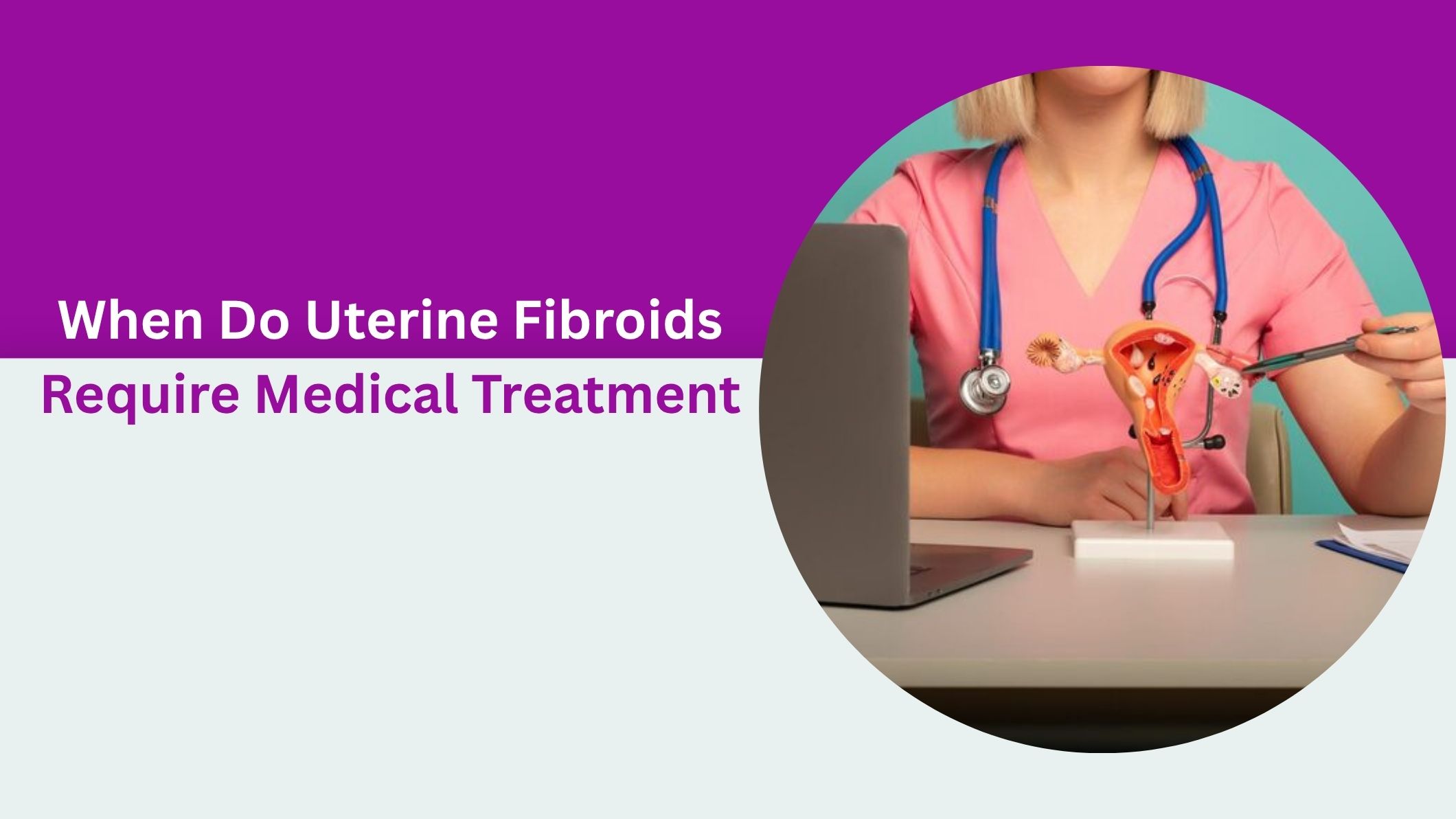
Uterine fibroids are non-cancerous growths that develop in or around the uterus. They are common among women of reproductive age and can vary in size, number, and location. While some fibroids do not cause noticeable symptoms and may not require immediate treatment, others can affect menstrual health, fertility, pregnancy, and overall quality of life. Understanding when uterine fibroids require medical attention is essential for choosing the right treatment and preventing potential complications.
What Are the Common Symptoms of Uterine Fibroids
Many women have uterine fibroids without experiencing any symptoms. However, when fibroids grow larger or press against nearby organs, they may cause discomfort and other health concerns.
Common symptoms include:
- Heavy or prolonged menstrual bleeding
- Severe menstrual cramps and pelvic pain
- A feeling of pressure or fullness in the lower abdomen
- Frequent urination or difficulty emptying the bladder
- Constipation or discomfort during bowel movements
- Lower back pain
- Pain during sexual intercourse
- Difficulty conceiving or certain pregnancy complications
The severity of symptoms often depends on the size, number, and location of the fibroids. Women experiencing persistent or worsening symptoms should consult a gynaecologist for proper evaluation.
When Do Uterine Fibroids Require Medical Treatment
Not every fibroid needs treatment. However, medical intervention may be recommended when fibroids cause significant symptoms, affect reproductive health, or lead to other complications.
1. Heavy Menstrual Bleeding and Anaemia
One of the most common reasons for treating uterine fibroids is heavy menstrual bleeding. Women may experience unusually long periods, pass large blood clots, or need to change sanitary products frequently. Continued blood loss can lead to iron-deficiency anaemia, causing fatigue, weakness, dizziness, and shortness of breath.
A healthcare professional may recommend medication to manage bleeding, iron supplementation when necessary, or a suitable procedure depending on the severity of the condition.
2. Persistent Pelvic Pain or Pressure
Large fibroids can put pressure on the bladder, bowel, and surrounding pelvic structures. This may cause frequent urination, constipation, abdominal discomfort, or persistent pelvic pain. When these symptoms interfere with daily activities or do not improve with conservative management, further treatment may be necessary.
3. Fertility and Pregnancy Concerns
Certain fibroids, particularly those that distort the uterine cavity, may affect fertility or increase the risk of pregnancy-related complications. However, not all fibroids interfere with conception or pregnancy.
Women planning to conceive should discuss their individual circumstances with a gynaecologist. Treatment decisions depend on the fibroid's location, size, symptoms, and reproductive goals.
4. Fibroids That Grow or Cause Complications
Fibroids may change in size over time, influenced partly by hormonal factors. If a fibroid grows significantly, causes worsening symptoms, or affects nearby organs, a doctor may recommend additional investigations and treatment.
Sudden, severe pelvic pain, particularly when accompanied by fever or heavy bleeding, requires urgent medical assessment. Heavy bleeding accompanied by fainting, severe weakness, or breathing difficulties also warrants emergency care.
What Treatment Options Are Available for Uterine Fibroids
Treatment depends on symptoms, fibroid characteristics, age, overall health, and whether a woman wishes to have children in the future.
Medication and Monitoring
Small, symptom-free fibroids may only require regular monitoring through clinical assessments and ultrasound examinations. Medications may help control heavy bleeding and pain, although they do not necessarily eliminate fibroids.
Minimally Invasive Procedures
Depending on the diagnosis, options such as uterine artery embolisation or other minimally invasive procedures may be considered. These treatments aim to reduce fibroid-related symptoms or size while avoiding major surgery in suitable patients.
Surgical Treatment
Myomectomy removes fibroids while preserving the uterus and may be appropriate for selected women who wish to become pregnant. Hysterectomy, which removes the uterus, is a definitive treatment for fibroids but is generally considered when symptoms are severe and other options are unsuitable or unsuccessful.
Conclusion
Uterine fibroids require medical treatment when they cause heavy bleeding, anaemia, persistent pelvic pain, pressure on nearby organs, fertility concerns, or other significant complications. Regular gynaecological evaluations help determine whether monitoring, medication, or a procedure is appropriate. Women should seek professional advice rather than relying solely on symptoms or fibroid size to make treatment decisions.
Dr. Preeti Tandon at Fakeeh University Hospital provides expert healthcare regarding uterine fibroids, helping women understand their condition, explore appropriate treatment options, and make informed decisions about their reproductive and gynaecological health.