



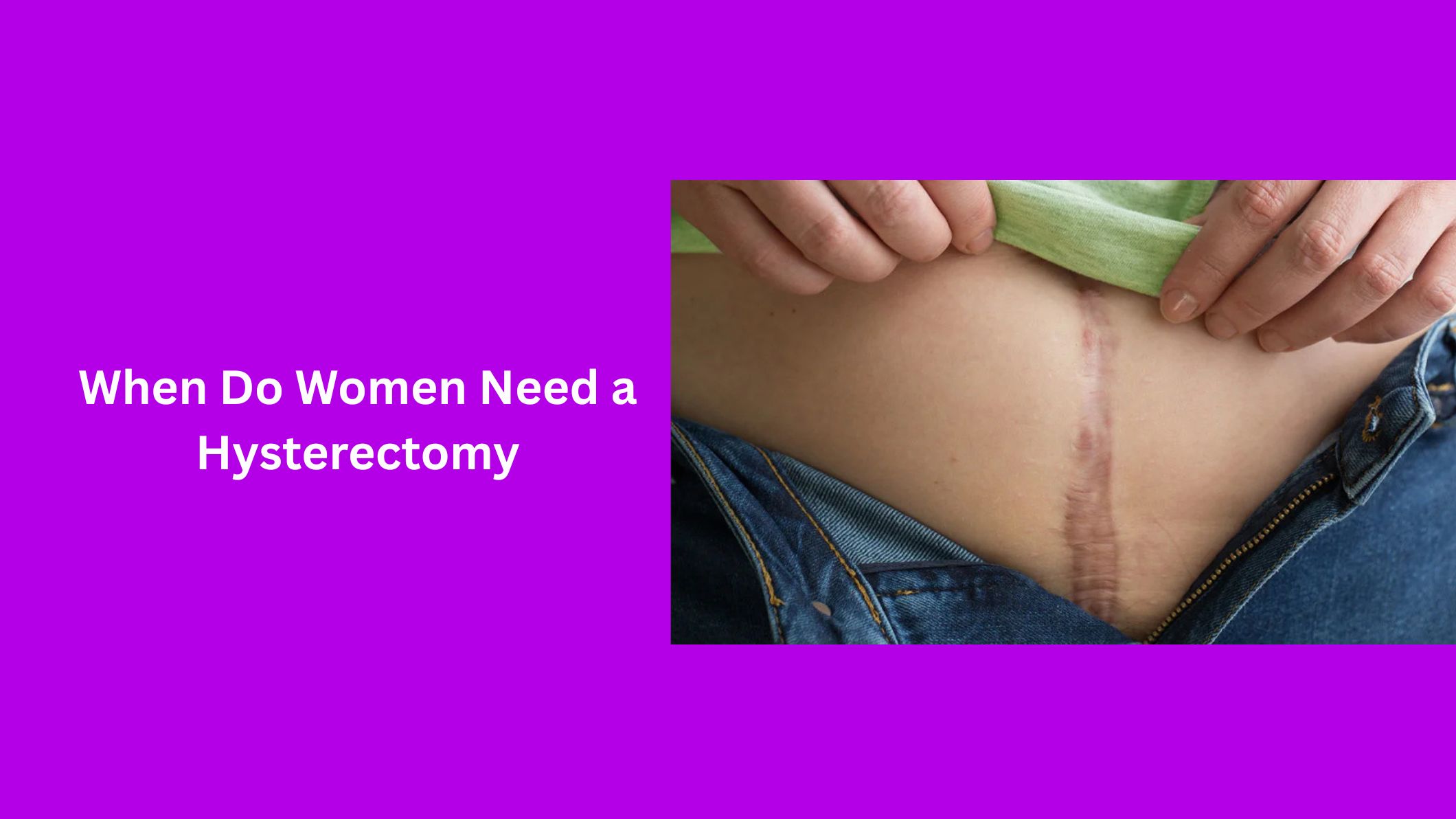
A hysterectomy is a surgical procedure in which a woman’s uterus is removed. It is one of the most common gynecological surgeries performed worldwide. While the idea of undergoing a hysterectomy can feel overwhelming, for many women it becomes a necessary and life-improving decision. Understanding when and why a hysterectomy is recommended can help women feel more informed, confident, and prepared.
What Is a Hysterectomy
A hysterectomy involves the removal of the uterus and, in some cases, other reproductive organs such as the cervix, ovaries, or fallopian tubes. After the procedure, a woman will no longer have menstrual periods and cannot become pregnant. Depending on the medical condition, different types of hysterectomy may be advised.
Common Reasons Women May Need a Hysterectomy
A hysterectomy is usually considered only after other treatment options have been explored or when the condition is severe. Below are the most common situations in which a hysterectomy may be recommended.
Uterine Fibroids
Fibroids are non-cancerous growths in the uterus that can cause heavy bleeding, pelvic pain, pressure symptoms, and anemia. When fibroids are large, multiple, or do not respond to medication or minimally invasive treatments, a hysterectomy may be the most effective long-term solution.
Abnormal Uterine Bleeding
Chronic heavy or irregular menstrual bleeding that interferes with daily life can be a major reason for hysterectomy. If hormonal treatments, medications, or minor procedures fail to control bleeding, removal of the uterus may be advised to provide permanent relief.
Endometriosis and Adenomyosis
Endometriosis occurs when tissue similar to the uterine lining grows outside the uterus, causing severe pain and inflammation. Adenomyosis involves the uterine lining growing into the muscle wall of the uterus. In advanced cases where pain persists despite treatment, a hysterectomy may significantly improve quality of life.
Uterine or Cervical Cancer
Cancer of the uterus, cervix, or ovaries is one of the most serious reasons for a hysterectomy. In such cases, surgery is often part of a comprehensive cancer treatment plan and may be lifesaving. Early diagnosis and expert surgical care are crucial.
Uterine Prolapse
Uterine prolapse occurs when the uterus slips down into or outside the vaginal canal due to weakened pelvic muscles. This can cause discomfort, urinary problems, and difficulty with daily activities. For severe prolapse, a hysterectomy may be recommended to restore comfort and function.
When Is a Hysterectomy Not the First Choice
Doctors usually recommend conservative treatments before considering hysterectomy, especially for younger women or those who wish to preserve fertility. Medications, lifestyle changes, hormonal therapy, and minimally invasive procedures are often tried first. A hysterectomy becomes an option when symptoms are severe, persistent, or affecting overall health.
Emotional and Physical Considerations
Deciding to undergo a hysterectomy can bring emotional concerns along with physical ones. Some women worry about hormonal changes, body image, or long-term health effects. Proper counseling, clear communication, and personalized care help address these concerns and ensure better recovery and emotional well-being.
Choosing the Right Medical Care
Every woman’s situation is unique, and the decision for a hysterectomy should always be individualized. A thorough evaluation, accurate diagnosis, and expert guidance are essential for making the right choice at the right time.
Dr Preeti Tandon Clinic provides the best services regarding Hysterectomy care, offering expert consultation, compassionate support, and advanced treatment options to ensure women receive safe, effective, and personalized gynecological care.