



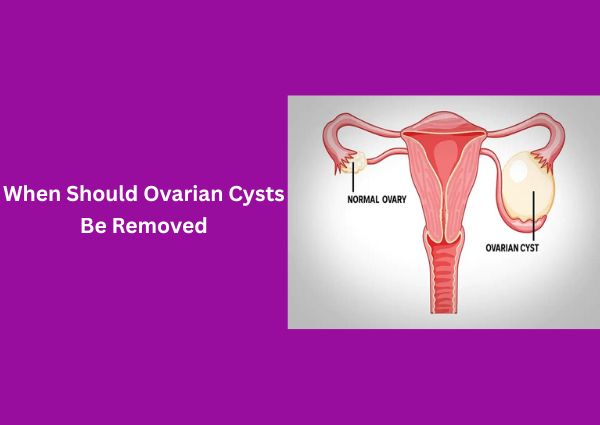
Ovarian cysts are fluid-filled sacs that develop on or inside a woman’s ovaries. They are quite common and, in many cases, harmless. Most ovarian cysts form naturally during the menstrual cycle and disappear on their own without treatment. However, some cysts may cause symptoms or complications, raising the question of when ovarian cysts should be removed. Understanding the signs, risks, and treatment options can help women make informed decisions about their health.
Understanding Ovarian Cysts
Ovarian cysts can occur at any age but are most common during a woman’s reproductive years. Functional cysts, which form as part of normal ovulation, are usually temporary and resolve within a few menstrual cycles. Other types, such as dermoid cysts, endometriomas, or cystadenomas, may persist and require closer monitoring.
When Are Ovarian Cysts Monitored Instead of Removed
Not all ovarian cysts require surgery. Small cysts that do not cause pain or other symptoms are often monitored with regular ultrasounds. Doctors may recommend a “watch and wait” approach, especially in younger women, as many cysts resolve naturally over time.
Asymptomatic and Small Cysts
Cysts that are small in size and do not cause discomfort are usually considered low risk. In such cases, observation and follow-up imaging are often sufficient. Hormonal medications may sometimes be prescribed to prevent new cysts from forming, though they do not eliminate existing ones.
When Should Ovarian Cysts Be Removed
Surgical removal of ovarian cysts is recommended when certain risk factors or symptoms are present. The decision depends on cyst size, appearance, growth pattern, and the woman’s age and overall health.
Persistent or Growing Cysts
If a cyst does not disappear after several menstrual cycles or continues to grow, surgical evaluation may be necessary. Large cysts are more likely to cause pain, pressure, or complications and are often recommended for removal.
Severe Pain or Symptoms
Ovarian cysts that cause ongoing pelvic pain, bloating, difficulty with urination, or pain during intercourse may require surgical treatment. These symptoms can significantly affect daily life and should not be ignored.
Risk of Ovarian Torsion
Larger cysts increase the risk of ovarian torsion, a condition where the ovary twists around its supporting tissues. Ovarian torsion is a medical emergency that causes sudden, severe pain and requires immediate surgery to prevent damage to the ovary.
Suspicion of Cancer
Although most ovarian cysts are benign, certain features on ultrasound or blood tests may raise concern for malignancy, especially in postmenopausal women. In such cases, prompt surgical removal is essential for diagnosis and treatment.
Types of Surgery for Ovarian Cysts
The most common procedure is cystectomy, where only the cyst is removed while preserving the ovary. In some situations, especially if the ovary is severely damaged or cancer is suspected, removal of the ovary may be necessary. Minimally invasive techniques such as laparoscopy are often used, leading to faster recovery and less discomfort.
Making the Right Decision
Deciding when to remove an ovarian cyst requires careful evaluation by an experienced gynecologist. Factors such as age, fertility plans, symptom severity, and imaging results all play an important role. Early diagnosis and proper monitoring help prevent complications and ensure the best possible outcomes.
Dr Preeti Tandon Clinic provides the best services regarding ovarian cyst management, offering expert diagnosis, personalized treatment plans, and advanced surgical care to ensure women receive safe and effective gynecological treatment.