



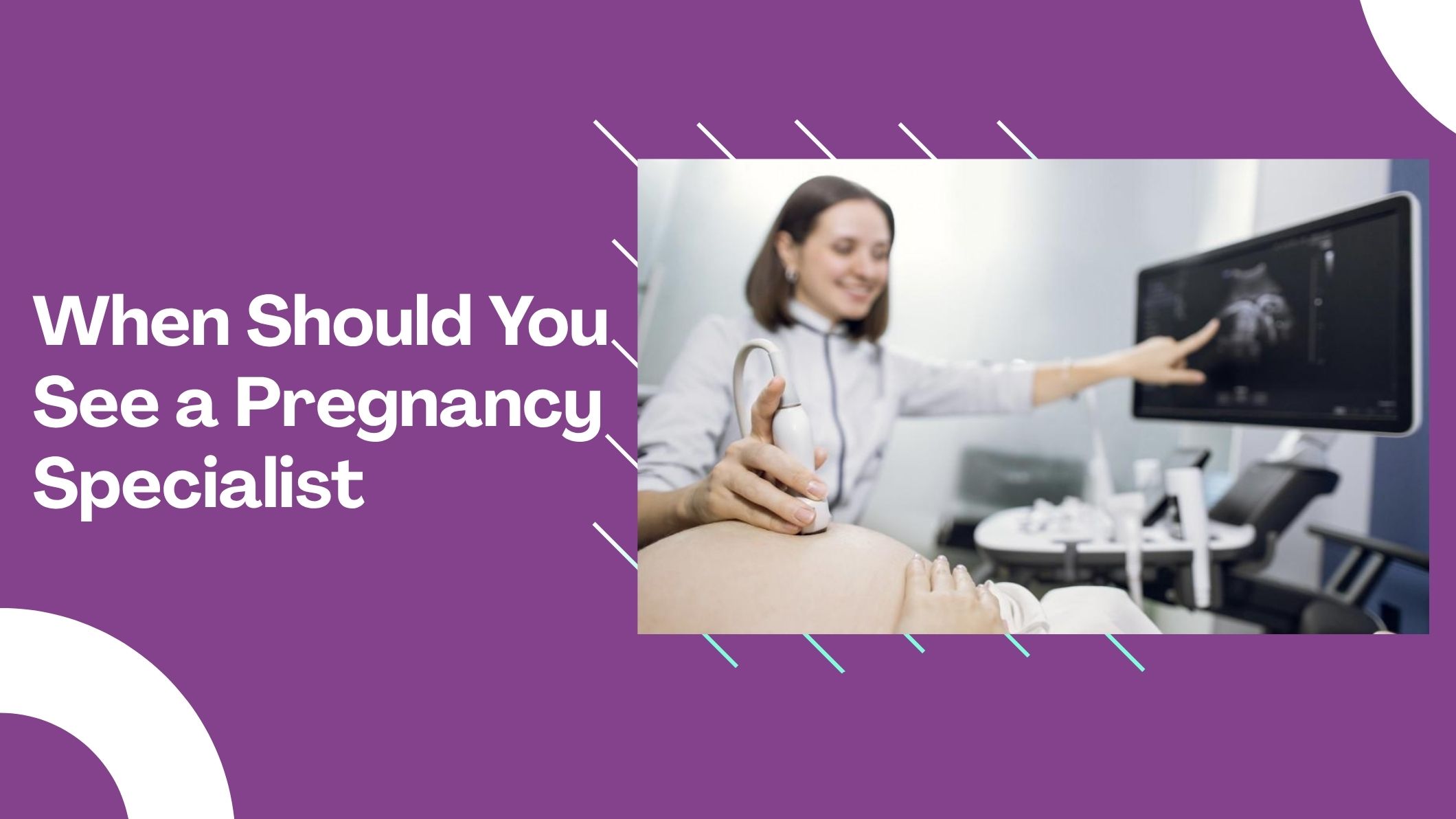
Pregnancy is a beautiful and life-changing journey, but it also comes with many physical and emotional changes. While many women experience a healthy and smooth pregnancy, some may require specialized care to ensure the well-being of both mother and baby. Knowing when to consult a pregnancy specialist can make a significant difference in managing risks and ensuring a safe delivery.
Who is a Pregnancy Specialist?
A pregnancy specialist, also known as an obstetrician or maternal-fetal medicine expert, is a doctor trained to manage pregnancy, childbirth, and postnatal care. They are especially important for high-risk pregnancies or when complications arise. These specialists use advanced diagnostic tools and medical expertise to monitor both maternal and fetal health closely.
Early Signs You Should See a Pregnancy Specialist
1. Difficulty Getting Pregnant
If you have been trying to conceive for more than a year (or six months if you are over 35), it is advisable to consult a pregnancy specialist. They can evaluate underlying issues such as hormonal imbalances or reproductive health concerns and guide you toward appropriate treatments.
2. Irregular Periods or Hormonal Issues
Irregular menstrual cycles, severe cramps, or conditions like PCOS can affect fertility and pregnancy. A specialist can help diagnose and manage these issues before conception.
3. Previous Pregnancy Complications
If you have experienced miscarriage, premature birth, or other complications in previous pregnancies, consulting a specialist early can help reduce risks in future pregnancies. They can create a personalized care plan based on your medical history.
When to See a Specialist During Pregnancy
1. High-Risk Pregnancy
Some pregnancies are considered high-risk due to factors like age (under 18 or over 35), multiple pregnancies (twins or more), or pre-existing medical conditions such as diabetes or hypertension. In such cases, regular monitoring by a specialist is essential.
2. Unusual Symptoms
Severe abdominal pain, heavy bleeding, persistent headaches, or reduced fetal movement are warning signs that should never be ignored. Immediate consultation with a pregnancy specialist can help prevent complications.
3. Chronic Health Conditions
If you have conditions like thyroid disorders, heart disease, or autoimmune issues, you should be under the care of a specialist throughout your pregnancy to ensure proper management.
4. Abnormal Test Results
Routine prenatal tests sometimes reveal abnormalities in the baby’s development or maternal health. A pregnancy specialist can conduct further investigations and recommend the best course of action.
Benefits of Consulting a Pregnancy Specialist
Seeing a pregnancy specialist provides access to advanced medical care, accurate diagnosis, and continuous monitoring. They offer guidance on nutrition, lifestyle changes, and prenatal care to ensure a healthy pregnancy. Early intervention by a specialist can prevent complications and improve outcomes for both mother and baby.
Importance of Regular Prenatal Checkups
Even if your pregnancy is progressing normally, regular prenatal visits are essential. These checkups help track the baby’s growth, monitor the mother’s health, and detect any potential issues early. A pregnancy specialist ensures that every stage of your pregnancy is managed with care and precision.
Conclusion
Knowing when to see a pregnancy specialist is crucial for a safe and healthy pregnancy journey. Whether you are planning to conceive, experiencing difficulties, or already pregnant with concerns, timely consultation can make all the difference. Early care, proper guidance, and expert monitoring ensure the best outcomes for both mother and child.
For comprehensive and compassionate care, Dr. Preeti Tandon’s Clinic provides the best treatment and expert guidance for pregnancy-related concerns, ensuring a safe and healthy experience for every mother.